
This past month, stories broke about ancient ancient textiles from the Judean Desert, underwater Egyptian reliefs, and a recently discovered fortification system in Jerusalem. Here were the top three reports in biblical archaeology in July 2024.
This past month, stories broke about ancient ancient textiles from the Judean Desert, underwater Egyptian reliefs, and a recently discovered fortification system in Jerusalem. Here were the top three reports in biblical archaeology in July 2024.
3. 3,800-Year-Old Textile Found in Judean Desert Was Dyed Using an Insect
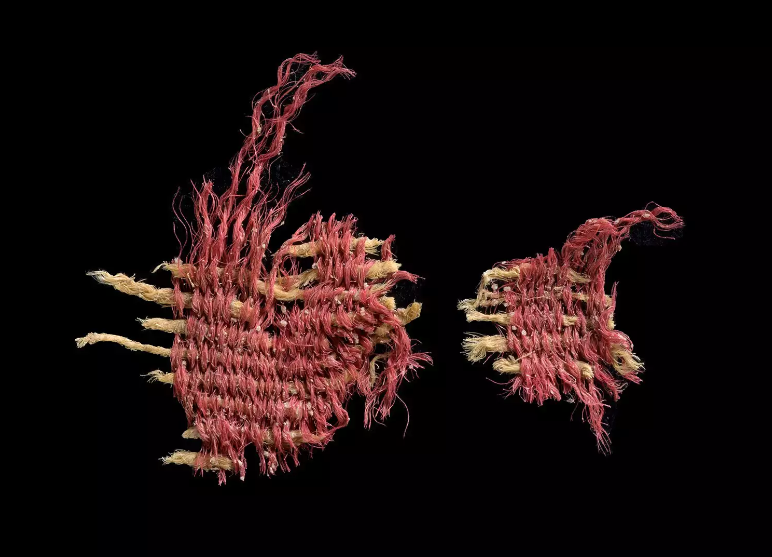
Israeli researchers recently published an article in the Journal of Archaeological Science: Reports in which they identify the source of the red dye used in a 3,800-year-old piece of cloth discovered in 2016 in a cave in the Judean Desert. The researchers used a test called high-performance liquid chromatography (HPLC) and identified the origin of the dye as an insect called Kermes vermilio which is found on the kermes oak tree. In the ancient world, the female insects were collected during one month in the summer, after they had laid their eggs but before the eggs hatched, since this was when they had the most dye in their bodies. The researchers further connected this insect with the biblical “scarlet worm.” In the Old Testament, the words tola’at hashani are sometimes translated as “worm” (ie. Dt 28:39) and sometimes as “crimson,” as in Isaiah 1:18: Come now, let us reason together, says the LORD: though your sins are like scarlet, they shall be as white as snow; though they are red like crimson (tola), they shall become like wool (ESV). The scarlet color from this insect was also to be used in the making of the priestly garments (Ex 28). In an article in Israel Hayom (see link below), Professor Zohar Amar of Bar-Ilan University described the specified zoological knowledge recorded in the Bible: “The biblical association of this color with a living creature demonstrates impressive zoological knowledge, considering that female scale insects lack legs and wings, to the extent that some Greek and Roman naturalists even mistook them for plant granules.”
2. Reliefs and Inscriptions of Egyptian Pharaohs Photographed Underwater Near Aswan
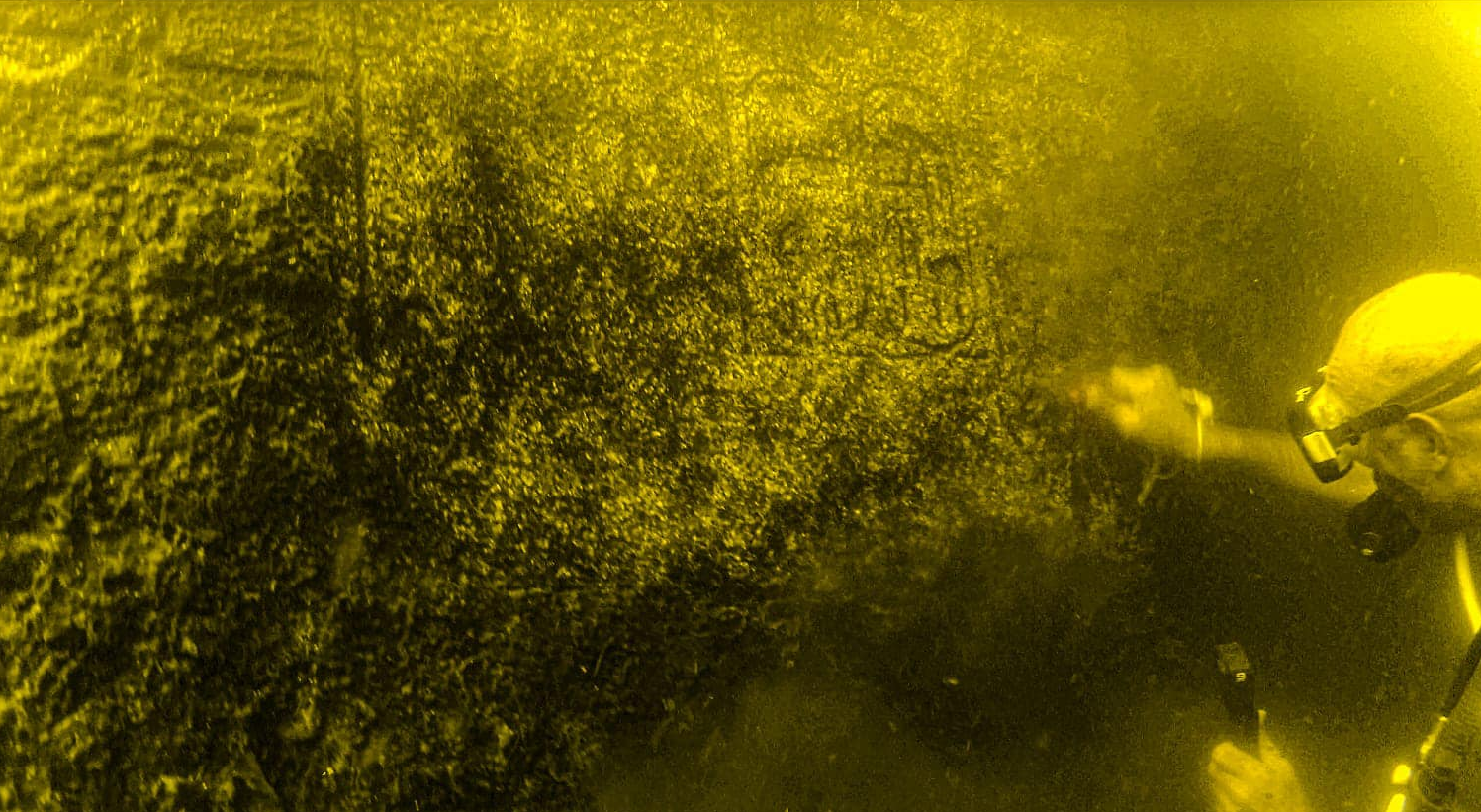
An underwater expedition near Aswan led by archaeologists from Egypt and France has identified and recorded a series of reliefs and inscriptions of pharaohs from the 18th and 26th Dynasties, including Amenhotep III, Thutmose IV, Psamtik II, and Apries (biblical Hophra; Jer 44:30). The reliefs and inscriptions are located between Lake Nasser and the High Dam and were originally discovered just prior to the construction of the dam, but were submerged when the dam became operational. As they have not been studied before, the archaeological team hopes they will provide new historical information about the reigns of these Egyptian pharaohs. Biblical scholars will be following the future publication of these inscriptions with interest, as both Amenhotep III and Thutmose IV have been proposed as the pharaoh of the Exodus (as have Pharaoh Thutmose III and Amenhotep II).
1. Huge Moat That Protected Jerusalem in the Days of the Kings Discovered
Archaeologists from the Israel Antiquities Authority and Tel Aviv University recently announced the discovery of a moat that once protected the Temple Mount and the king’s palace in Jerusalem. Excavations in the Givati Parking Lot have revealed that the moat was at least nine meters (29 feet) deep and 30 meters (100 feet) wide. When scholars reexamined the reports from Kathleen Kenyon’s City of David excavations in the 1960s, they noticed that she too had found a part of the moat, but had mistaken it for a natural valley. The current archaeologists believe the moat in the Givati Parking Lot is the same as the one in Kenyon’s excavations, meaning that this monumental fortification was 70 meters (76 yards) across from east to west and separated the residential area in the lower city from the temple and palace areas in the upper city. The exact date of the moat’s construction is unknown, but it may have even been dug in the Middle Bronze Age. It is clear that it was in use during the ninth century BC in the period of the kings of Judah.
Stay Up-To-Date
Get the latest BREAKING NEWS in biblical archaeology each week here: https://biblearchaeology.org/current-events-list
 Bible Archaeology Report