

Here were the top three news reports from the world of biblical archaeology in September 2024.
3. Tel Dan Stele On Display in Oklahoma
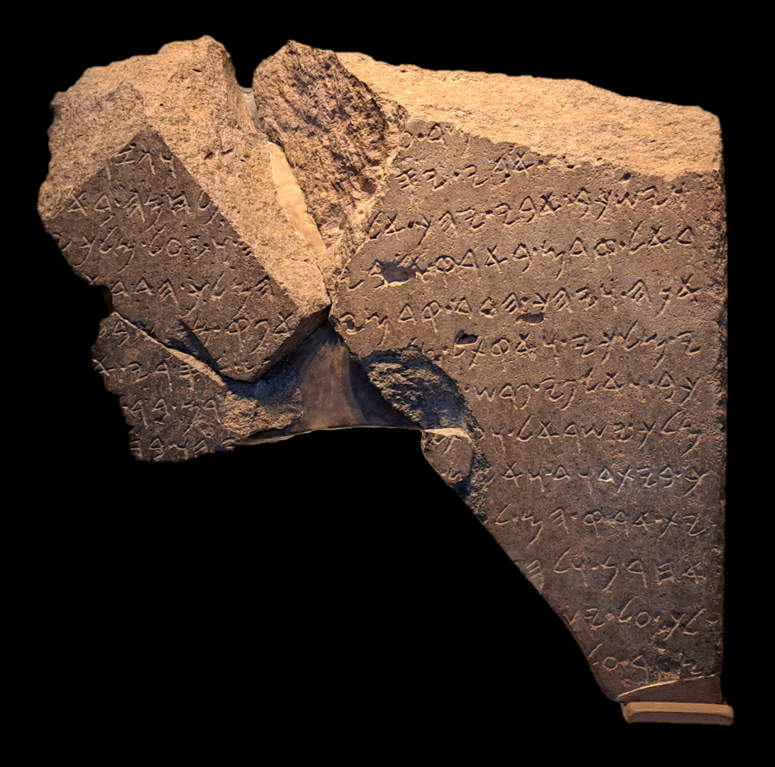
The famous Tel Dan Stele has been loaned by the Israel Museum to the Herbert W. Armstrong College in Edmond, Oklahoma, and will be on display to the public from September 22 to November 25. It will be the centerpiece of the “Kingdom of David and Solomon Discovered” exhibit. The stele dates to the 9th century BC and is part of a victory monument set up to by a Syrian king, likely Hazael, at Tel Dan, to commemorate his victories. It is one of the most important artifacts in biblical archaeology, affirming the historicity of three Hebrew kings. The inscription has been reconstructed to read, “I killed Jehoram, son of Ahab, king of Israel and I killed Ahaziahu, son of Jehoram, king of the House of David.” Hazael’s boast of killing both Jehoram of Israel and Ahaziah of Judah is contrary to the biblical record, which explicitly states that Jehu killed both kings (2 Kings 9). While Hazael would hardly be the first king in history to take credit for another’s accomplishments, he could actually claim some credit. Scholars note that the word “kill” on the Tel Dan Stele can also be translated “strike” or “defeat.” Since Jehoram was at Jezreel recovering from wounds he had received in battle against the Syrians when Jehu killed him, Hazael could rightly take some credit for the king’s death.
NEWS LINK: https://www.jpost.com/archaeology/article-817593
2. Bronze Sword Inscribed with the Name Pharaoh Rameses II Discovered in Egyptian Military Barracks
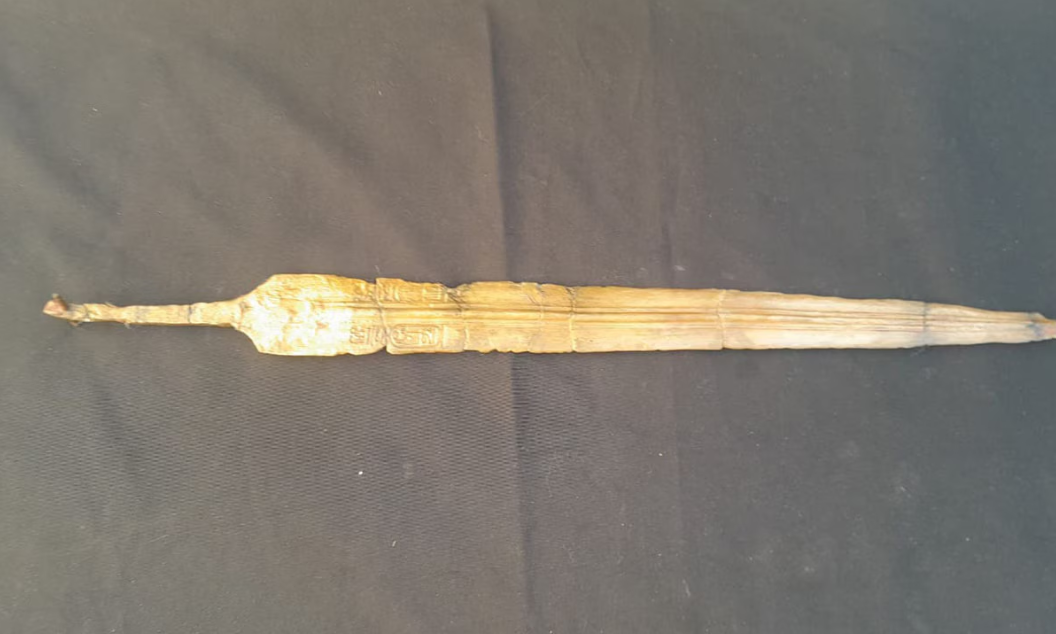
Archaeologists in Egypt excavating in the remains of a 3200-year-old military barracks at Housh Eissa, south of Alexandria, have discovered a bronze sword inscribed with the name of Rameses II. The barracks appear to be part of the system of forts that Egypt placed along a military road in the northwest Nile Delta. The bronze sword was found in a part of the barracks that was susceptible to attack, indicating that it may have been actually intended for use in warfare and not just for display. It’s quality and inscription suggest it may have been used by a high-ranking official. The archaeologists also discovered limestone blocks with hieroglyphic inscriptions mentioning Rameses as well. According to a straightforward reading of the Bible’s internal chronology, Rameses II was pharaoh of Egypt during the period of the Judges.
1. New Study Suggests the Siege of Masada Was Short
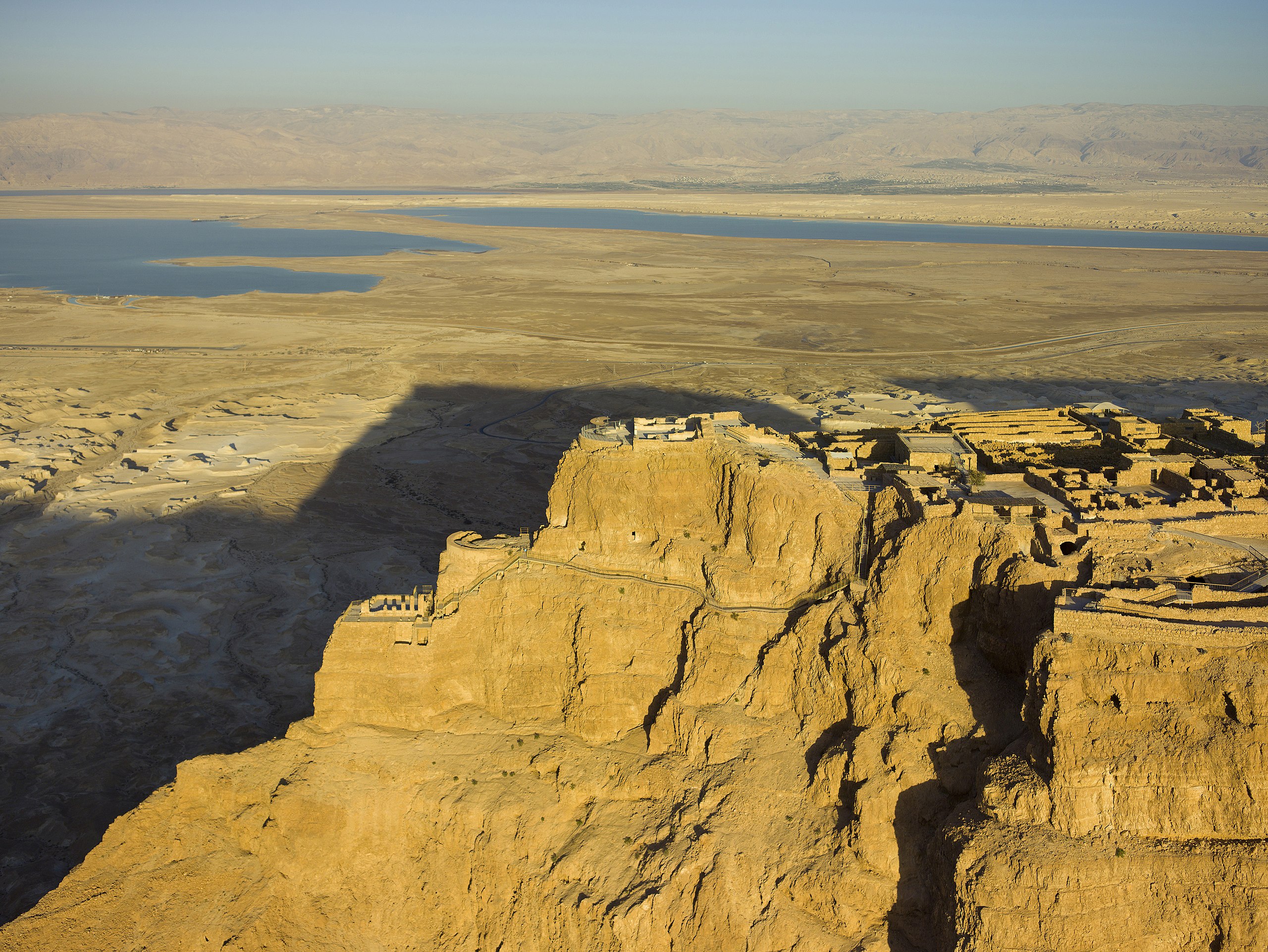
The authors of new article entitled “The Roman Siege System of Masada: A 3D Computerized Analysis of a Conflict Landscape,” published in the Journal of Roman Archaeology, suggest the famous first-century siege of Masada lasted a matter of weeks, not three years. The scholars analyzed data from the archaeological remains of the Roman fortifications and considered the projected workload of the average young man. Given the fact that there were six to eight thousand soldiers involved, the team estimated that the Romans could have built the siege works at Masada in 11-16 days and that they would have taken the fortress quickly. Further, archaeological excavations have not revealed the types of things in the Roman encampments that one sees at other long-term Roman camps, like significant trash, food and animal remains, and graves. The siege of Masada was the final major event of the First Jewish Revolt. Jesus predicted the destruction of the Temple, one of the other important events in the revolt (Lk 21:5 – 6).
NEWS LINKS: https://www.timesofisrael.com/masada-legend-upended-the-romans-came-saw-and-conquered-quickly-and-brutally/
Stay Up-To-Date
Get the latest BREAKING NEWS in biblical archaeology each week here: https://biblearchaeology.org/current-events-list
 Bible Archaeology Report