

An ancient settlement, a 2,000 year old tomb, and 180 inscribed jar handles are just some of the finds announced this past month. Here are the top three reports in biblical archaeology from October 2024.
3. Advanced Early Bronze Age Settlement Discovered near Beth Shemesh
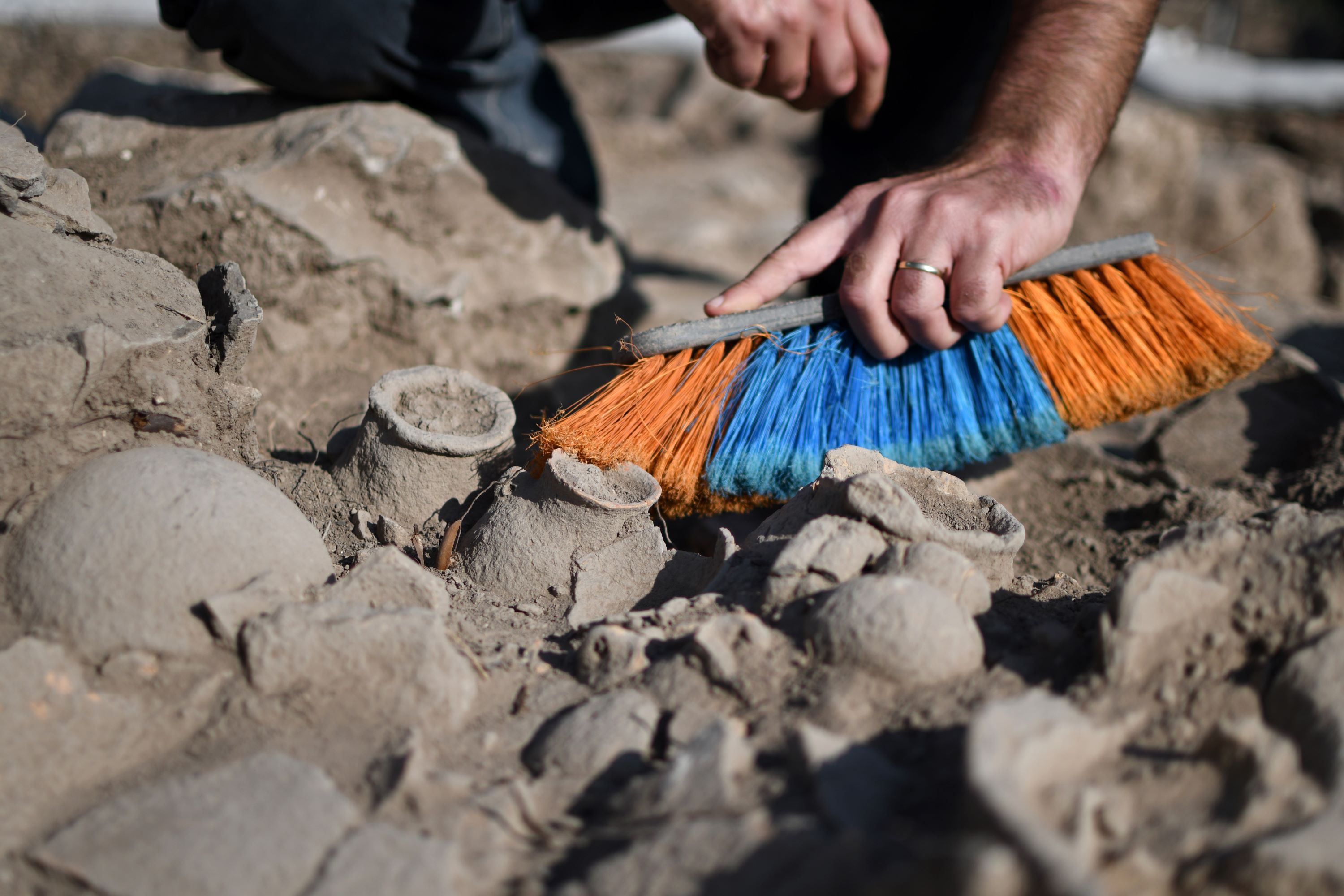
A large settlement that archaeologists have dated to the Early Bronze Age was recently unearthed near Beth Shemesh. The settlement may have had a population of about 1,000 people, and it contained a large public building that was likely used as a temple. A collection of approximately 40 intact vessels was discovered within the temple structure. Many of these vessels were small, indicating they were likely used for symbolic or cultic purposes, rather than in a house. Adjacent to the temple was an area containing standing stones. Also, circular granaries stood nearby that may have stored goods offered by the people. Given their interpretation of this structure as a temple, the archaeologists believe this site was beginning to undergo urbanization, which became a common phenomenon among contemporary settlements in the latter part of the Early Bronze Age. The Table of Nations in Genesis 10 reflects the rise of urbanism within the Early Bronze Age.
NEWS LINK: https://www.jpost.com/archaeology/archaeology-around-the-world/article-826830
2. 2,000-Year-Old Tomb Discovered at Petra
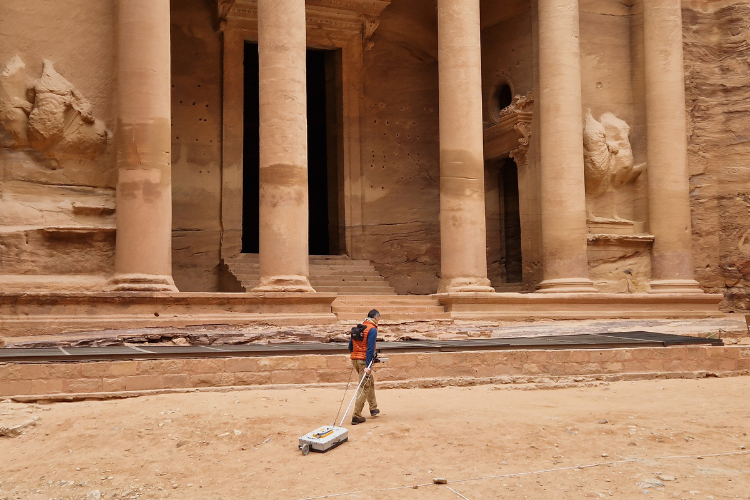
A 2,000-year-old tomb containing 12 skeletons was recently discovered underneath the Treasury at Petra. The Treasury is the iconic rock-cut façade that many scholars believe was once the tomb of the Nabataean king Aretas IV. A team of archaeologists from the University of St. Andrews, the Jordanian Department of Antiquities, and the American Center of Research first used remote sensing to scan the ground for underground chambers. When evidence of such a chamber was discovered, the team was given permission to excavate. Twelve skeletons, along with a variety of ceramic vessels, were found inside the tomb; one of the skeletons was still holding a chalice. Sediment tests from the tomb indicate that the burials date from the middle of the first century BC to early in the second century AD. Nabataeans are connected to the Bible in two ways: first, the frankincense the magi gave Jesus was likely obtained from the Nabataeans, and second, the Nabataean king, Aretas, is mentioned in 2 Corinthians 11:32.
1. 180 Inscribed Jar Handles Discovered in an Administrative Complex South of Jerusalem
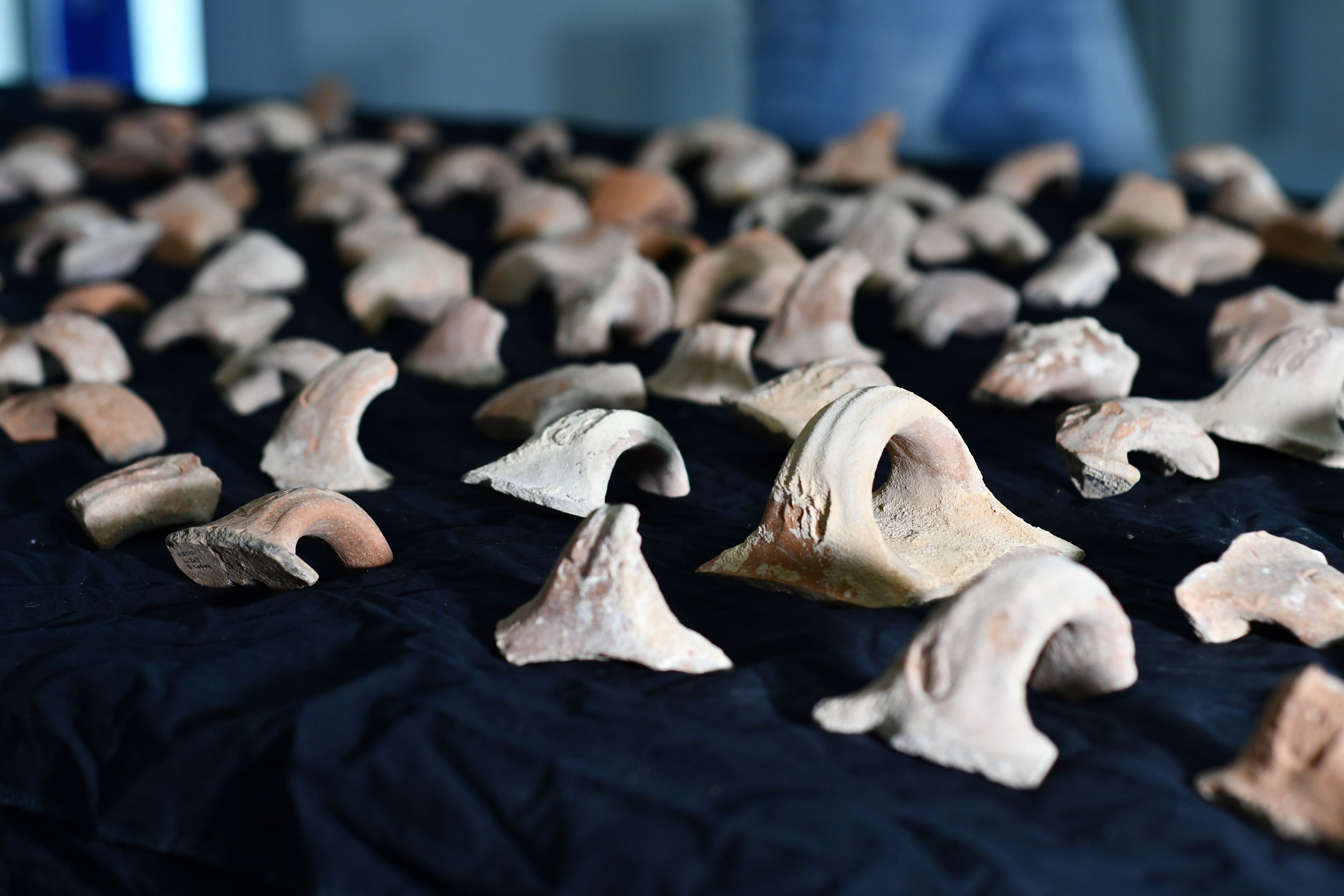
The Israel Antiquities Authority (IAA) recently announced the discovery of 180 inscribed jar handles from an administrative complex dating to the reign of Hezekiah, or possibly that of his father Ahaz. The team led by the IAA unearthed two administrative buildings, one constructed on top of the other. The first was in use during the last third of the eighth century BC and archaeologists discovered 17 jar handles inscribed with private names within it. In the subsequent building, many handles were discovered that bore the inscription lmlk, meaning “to the king.” The excavators have interpreted the private seals as evidence of a different form of administration prior to the destruction of the first building, which they attribute to the Assyrians.
Stay Up-To-Date
Get the latest BREAKING NEWS in biblical archaeology each week here: https://biblearchaeology.org/current-events-list
 Bible Archaeology Report