
In case you missed it: another Egyptian royal tomb, new results from excavations at the Church of the Holy Sepulchre, and archaeological evidence of a biblical battle. Here were the top three reports in biblical archaeology in March 2025.
3. Royal Tomb from the Abydos Dynasty Discovered in Egypt
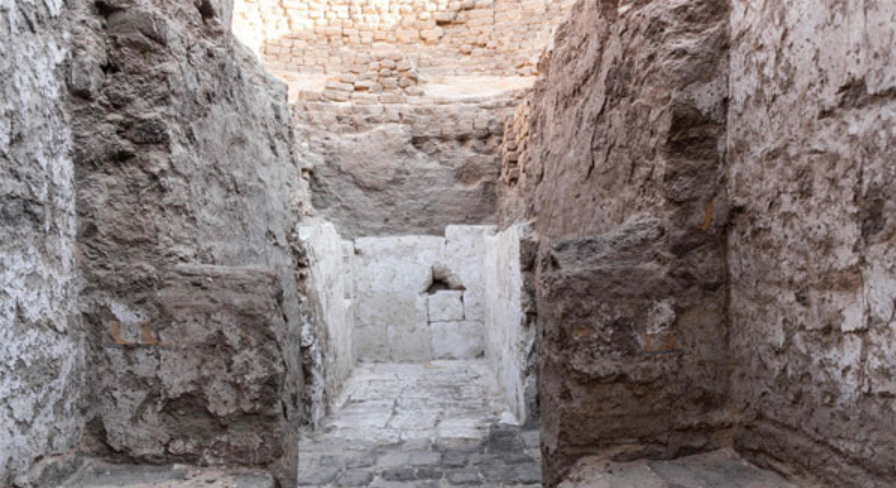
A joint Egyptian-American team has unearthed a royal tomb from the Second Intermediate Period in the necropolis at Abydos. The tomb was discovered 23 feet underground and features a limestone burial chamber with an 18-foot-tall vaulted mudbrick ceiling. The goddesses Isis and Nephthys are depicted on the walls on either side of the burial chamber. There are traces of hieroglyphic texts that once bore the deceased king’s name, but these are currently undecipherable. Experts hypothesize that the tomb may belong to a predecessor of King Senebkay, whose tomb was discovered in Abydos in 2014. The new discovery will help scholars understand the little-known “Abydos Dynasty” that ruled Upper Egypt between 1700 and 1600 BC.
2. Traces of Ancient Garden Discovered Beneath the Church of the Holy Sepulchre
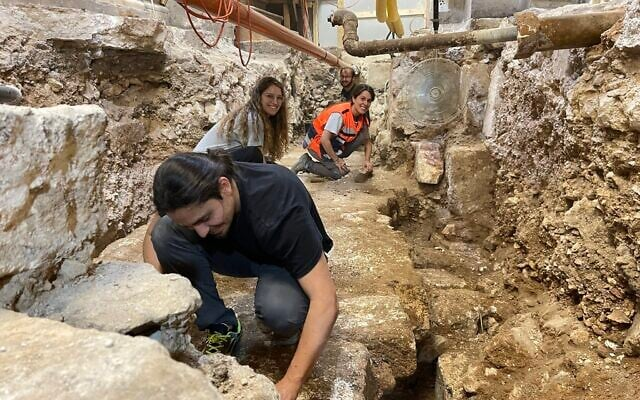
La Sapienza University professor Francesca Romana Stasolla, who is overseeing the excavations at the Church of the Holy Sepulchre, recently shared some of the results of the work in a comprehensive interview with the Times of Israel. In 2019, the three religious groups that manage the church agreed to work together to replace the floor tiles. Replacing the tiles gave archaeologists a rare opportunity to excavate at this ancient site. One of the biggest findings has been the remains of olive trees and grapevines, identified through archaeobotanical analysis (including pollen analysis) on samples retrieved from beneath the floor. Based on the archaeological context, the strata in which the samples were obtained date to the pre-Christian era. Radiocarbon dating has not yet been done. The discoveries indicate that the area was once a garden, which affirms John’s description of the place where Jesus was buried: “Now in the place where he was crucified there was a garden, and in the garden a new tomb in which no one had yet been laid” (Jn 19:41 ESV).
1. Evidence of Egyptian Army that Defeated King Josiah Discovered at Megiddo
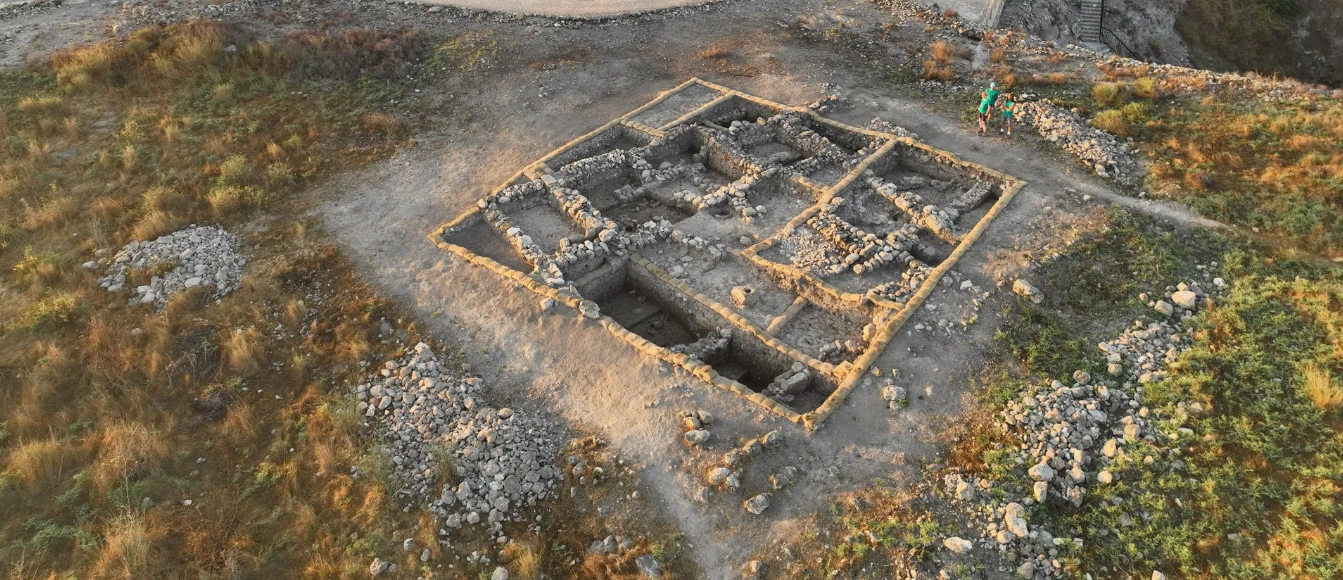
Archaeologists working at Megiddo recently announced the discovery of an assemblage of Egyptian and Greek pottery dating to the seventh century BC, which they associate with the army of Pharaoh Necho who defeated King Josiah in 609 BC (2 Kgs 23:29–30). The Egyptian pottery is crudely made and poorly fired and was likely used for supplies for Necho’s army. The Greek pottery was likely used by Greek mercenaries whom Necho had hired. The assemblage was discovered from 2016 to 2022 in an area (Area X) that had never before been excavated. The team concluded that the best explanation for this combination of pottery is that it was left by Necho’s army which was accompanied by Greek mercenaries. The book of Jeremiah seems to indicate that Greek troops from Lydia fought alongside Pharaoh Necho (Jer. 46:9).
Source: https://www.tandfonline.com/doi/abs/10.1080/09018328.2025.2454490
Stay Up-To-Date
Get the latest BREAKING NEWS in biblical archaeology each week here: https://biblearchaeology.org/current-events-list

 Bible Archaeology Report