

My monthly update is a little late due to my recent trip to Israel, where I participated in the archaeological excavations at Shiloh. Here were the top three news reports from the world of biblical archaeology in May 2025. They include shipwrecks, gold, and a stone capital with an intriguing image.
3. New Study Analyzes the Cargoes of Iron Age Shipwrecks from Dor, Israel
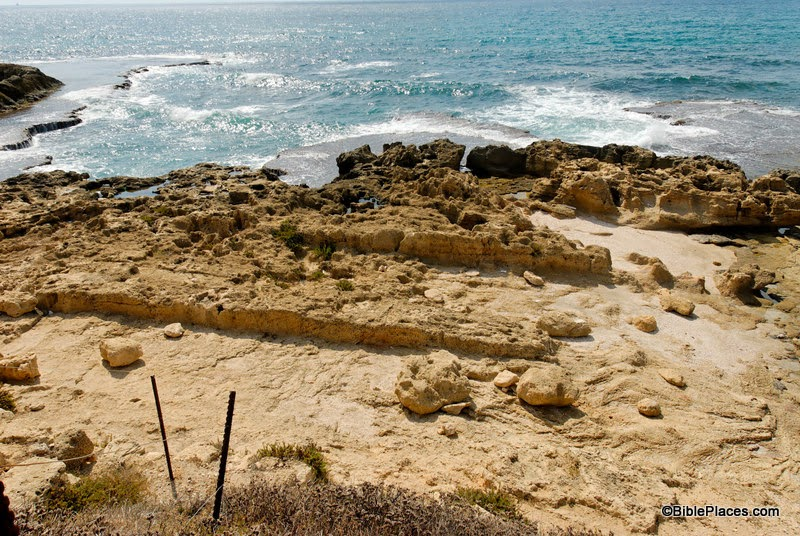
A new article published in the journal Antiquity analyzes the cargoes from three Iron Age shipwrecks discovered near Tel Dor, an ancient port city in Israel. The oldest shipwreck, dating to the 11th century BC contained numerous Egyptian vessels and an anchor with a Cypro-Minoan sign on it, suggesting trade with both Egypt and Cyprus. Another shipwreck dating to the late ninth/early eighth century BC contained standard storage jars, demonstrating maritime activity during the Israelite control of the port. However, there were no Egyptian amphorae. The final shipwreck dates to the period of Assyrian domination during the eighth/seventh century BC. It contained basket-handle amphorae, such as those found in other shipwrecks along the Anatolian coast. The authors of the study conclude that these shipwrecks demonstrate a “more restricted” trading zone during the Israelite era that did not include Egypt and Cyprus, but that trading expanded again during the Assyrian control of the site. Caution is warranted, however, in drawing broad conclusions from such a limited dataset
2. Roman-Era Capital with Image of Menorah Discovered in Jerusalem
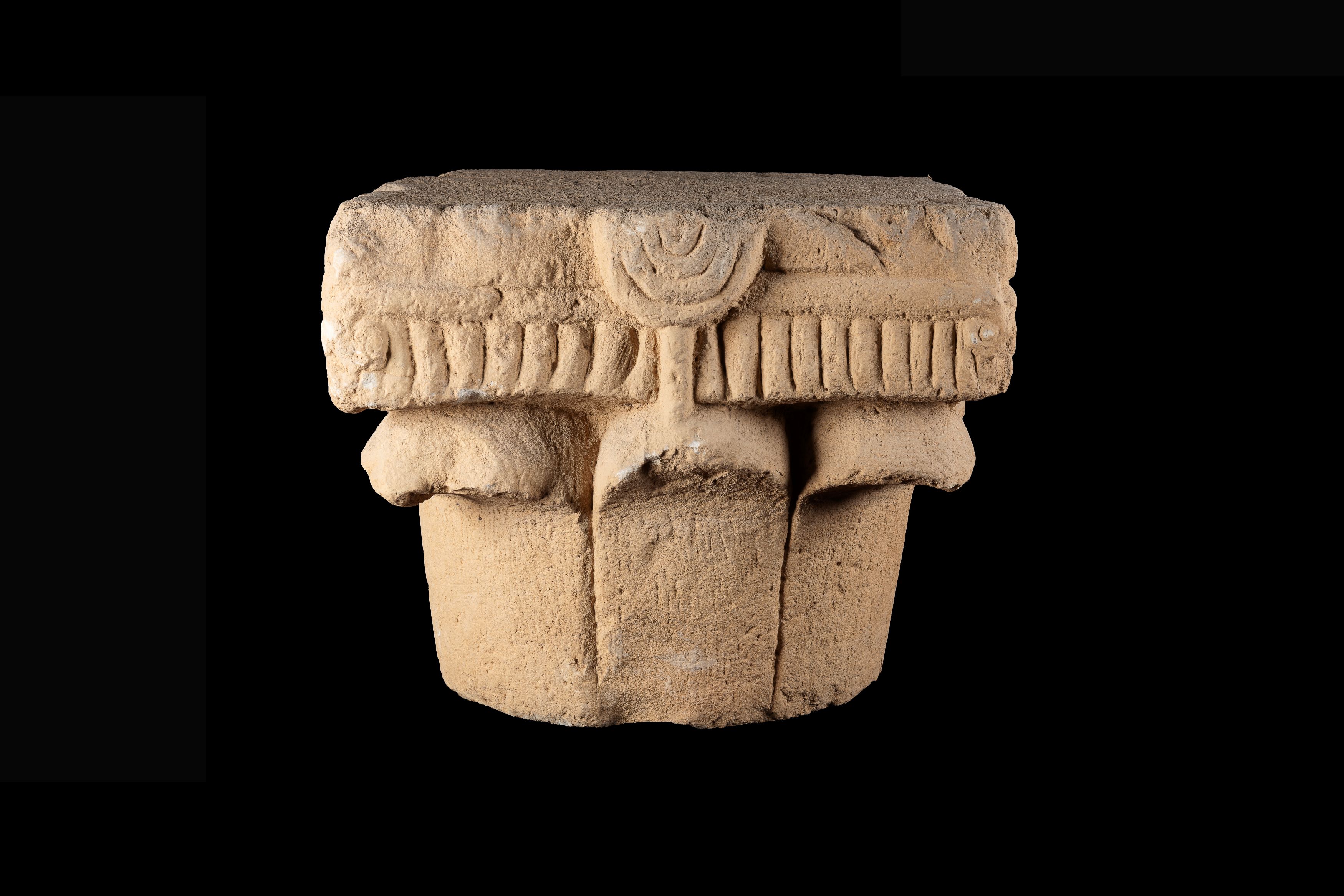
A stone capital bearing an image that resembles a menorah was discovered in 2020 in the Motza neighborhood during excavations conducted prior to the construction of a new entrance to Jerusalem. The artifact was discovered in a building that dates to the sixth or seventh century, although scholars believe the capital may date from as early as the second century and was reused in the Byzantine period. If this is the case, it presents an interesting problem, as it would mean a capital with a Jewish symbol once stood atop a column at a time when the Jews were barred from living in Jerusalem following the Bar Kokhba Revolt. One proposed solution suggests that the craftsman intended to carve a floral design, but that it unintentionally resembled an eight-branched lamp.
1. Gold Ring Discovered in the Givati Parking Lot Excavations
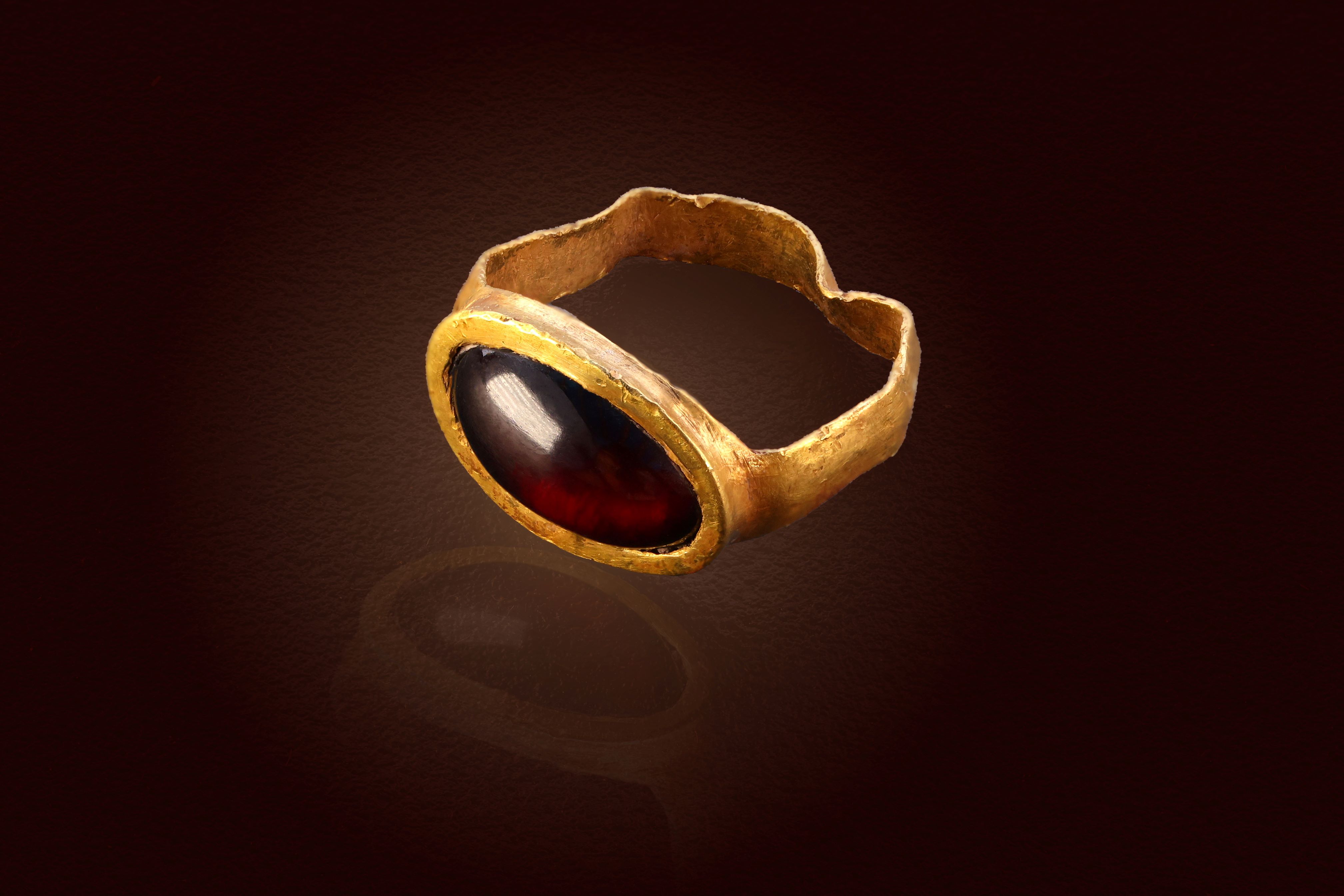
A 2300-year-old gold ring was recently discovered in the Givati Parking Lot excavations beneath the floor of a large Hellenistic-era building. The small gold ring likely belonged to a child and was set with a red gemstone—a style typical of the Hellenistic jewelry. It is similar to a ring that was discovered in the same spot in June 2024. In an interview with the Times of Israel (see link below), Dr. Marion Zindel of the Israel Antiquities Authority suggested it is highly unlikely two similar gold rings were lost in the same spot. Rather, she noted one hypothesis was that they were buried as part of a Greek ritual which saw girls bury objects connected with their childhood on the day before their wedding.
Stay Up-To-Date
Get the latest BREAKING NEWS in biblical archaeology each week here: https://biblearchaeology.org/current-events-list

 Bible Archaeology Report
“Craftsman intended to carve a floral design, but it unintentionally resembled an eight-branched lamp” (Hmmm…Not buying that explanation ;>)