
The top three reports in biblical archaeology from August 2025 included reports of gold, silver, and a monumental structure in Jerusalem.
3. New Study Suggests Silver Was the Dominant Pre-coinage Money Beginning in the Middle Bronze Age
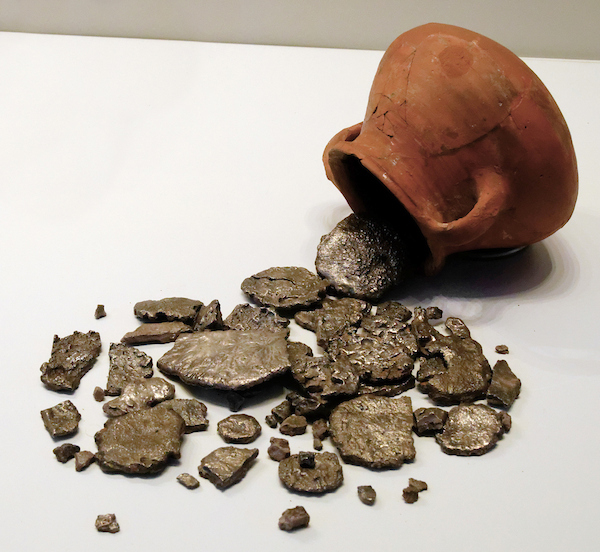
A new study in the Journal of World Prehistory analyzes 42 silver hoards from the Southern Levant and concludes that silver was used as a form of pre-coinage money from the Middle Bronze Age to the Iron Age (ca. 2000 – 600 BC). While silver was used as a medium of exchange in Mesopotamia and Syria during the Early Bronze Age, archaeological evidence appears to indicate it became popular in the land of Canaan during the Middle Bronze III period. The study analyzed not only the composition of the silver hoards, but also their archaeological context, including whether they were found as deposits in public buildings or in private dwellings. The author of the study writes,
The Southern Levant saw significant use of silver during the final stages of the Middle Bronze Age, with the first silver-currency hoards appearing at Shiloh and Gezer (~ 1650/1600–1600/1550 BC), predating other regions. Although silver was temporarily replaced by gold in the Late Bronze Age, it re-emerged as the dominant form of money by the Late Bronze Age IIB, ~ 1300 BC, a status it retained until the end of the Iron Age (~ 600 BC), despite occasional shortages. (See link below)
Furthermore, the author claims that while silver became the main medium of exchange in the Southern Levant, other regions throughout history relied on different metals, including gold, copper, and bronze. Since silver does not occur naturally in the Southern Levant, it was imported from regions such as Anatolia. The Bible also refers to the use of silver as a form of pre-coinage money in the Middle Bronze Age, when Abraham purchased the field of Ephron in Machpelah for four hundred shekels of silver (Gn 23:15–19).
Source: https://link.springer.com/article/10.1007/s10963-025-09191-7
2. Rare Gold Coin Depicting Queen Bernice II Discovered in Jerusalem
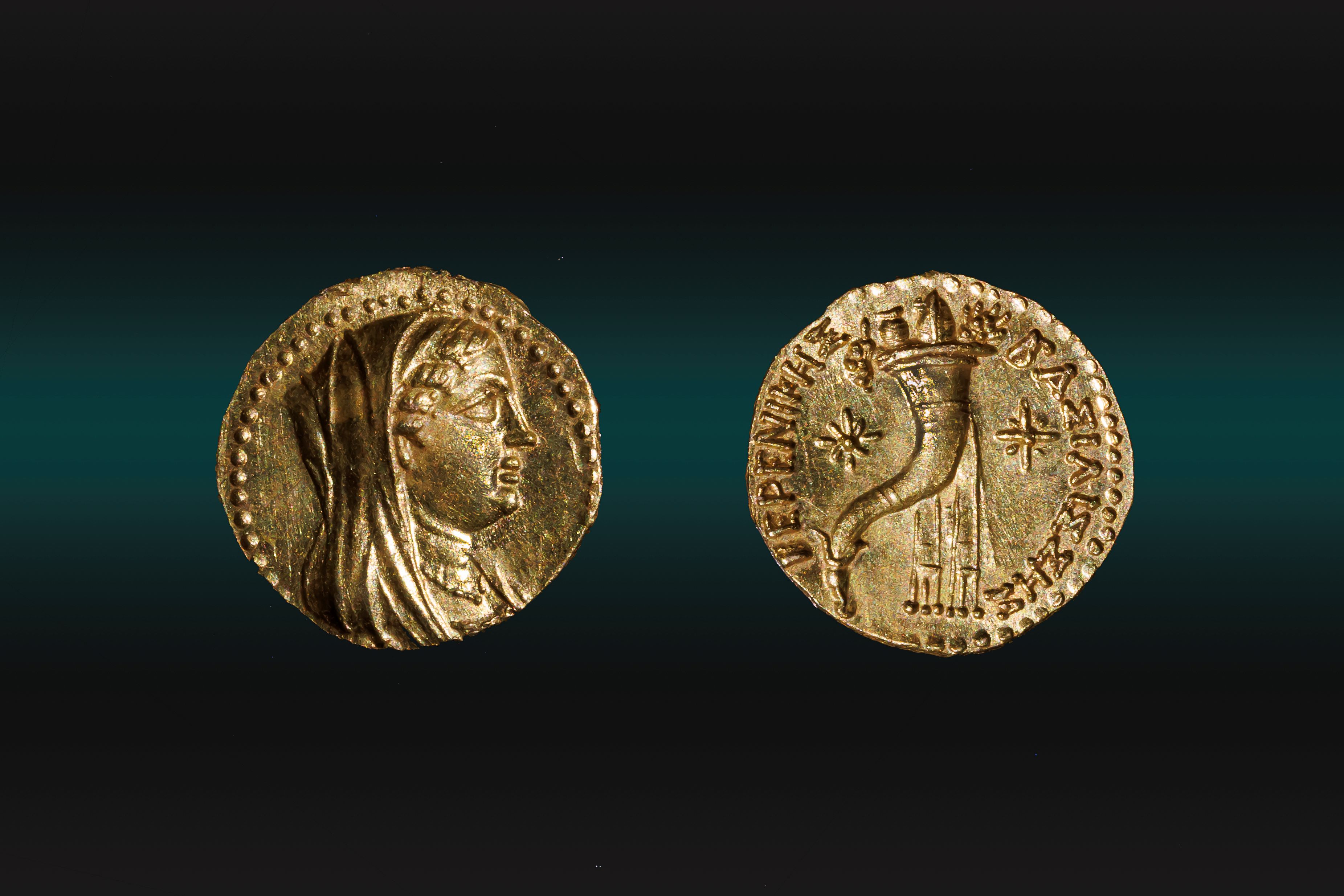
The Israel Antiquities Authority recently announced the discovery of a rare gold coin bearing the image of the Egyptian queen Berenice II. The find was made during excavations at the Givati Parking Lot in the City of David. The coin, a quarter-drachma struck in pure gold, dates to 246–221 BC. Queen Berenice II was the wife of Ptolemy III Euergetes. Fewer than 20 such coins are known worldwide, and this is the first to be uncovered in situ during a controlled archaeological excavation. Many scholars believe that the prophecy in the book of Daniel (11:8) refers to Ptolemy III.
Source: https://www.timesofisrael.com/rare-gold-coin-depicting-hellenic-queen-unearthed-in-jerusalem-dig/
1. Huge Dam Wall from the Time of King Joash Unearthed in the Pool of Siloam
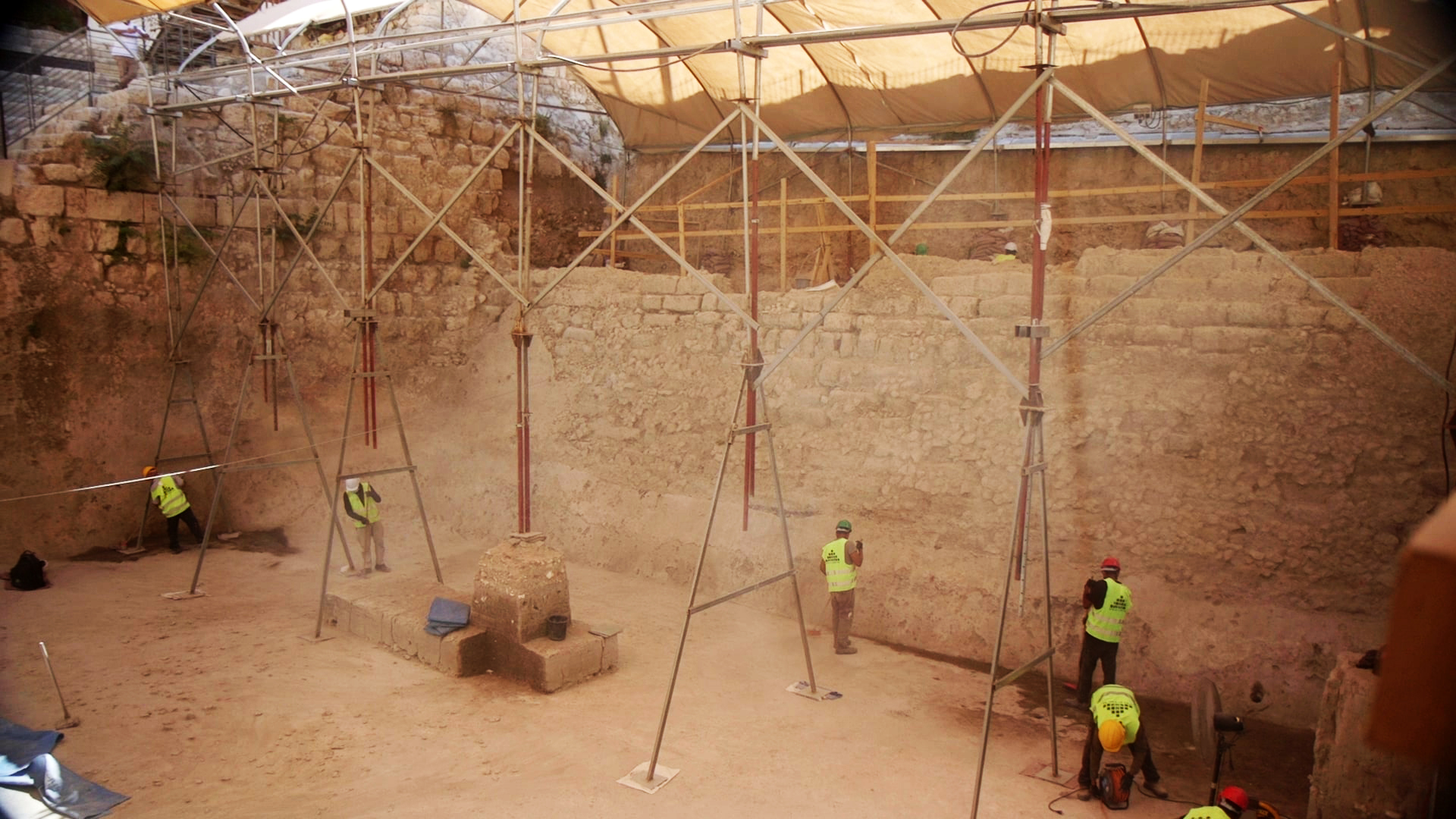
The team excavating the Pool of Siloam has finally published their long-awaited findings, revealing that they discovered a monumental dam wall dating to between 805 and 795 BC, during the reign of Joash (Jehoash), king of Judah. A 69-foot (21 meter) section of the wall was exposed; it once stood 40 feet (12 meters) high and more than 26 feet (8 meters) wide. The wall was dated through carbon-14 tests done on two pieces of uncharred straw and a sample of charred twigs that were embedded in the wall. The results showed that the wall was constructed between 805 and 795 BC. The authors of this study cited a recent analysis dating the Gihon Spring fortifications to this same period. They also cite climate data obtained from Dead Sea core samples and stalagmites in the Soreq Cave near Beit Shemesh, which indicate this was a period of aridity with occasional flash floods. The authors of the study conclude, “The ruling establishment of Judah, led in around 800 BC by King Jehoash or his successor Amaziah, provided a solution to the unpredictable weather conditions and water shortage by building the Siloam Pool dam, both for catching the rainwater and storing the water surplus brought by Channel II.” In the Bible, King Joash is known to have engaged in massive building endeavors, such as his renovations to the Temple (2 Kgs 11:2–12:1–21;2 Chr 24:1–27).
Source: https://www.pnas.org/doi/10.1073/pnas.2510396122
Stay Up-To-Date
Get the latest BREAKING NEWS in biblical archaeology each week here: https://biblearchaeology.org/current-events-list

 Bible Archaeology Report
Thank you again Brian for these archaeological reports. I look forward to them every month. I appreciate all you are doing to bring them to our attention.
the Bible is absolutely true. It is good to read these things showing the truth of the Bible and the culture surrounding the Bible. God bless you richly in your ministry. .