
This past month, stories broke about an Early Bronze Age winepress, a Late Bronze Age site, and Iron Age trade. Here were the top three reports in biblical archaeology in November 2025.
3. Excavations Renewed at Ugarit after 14-Year Break
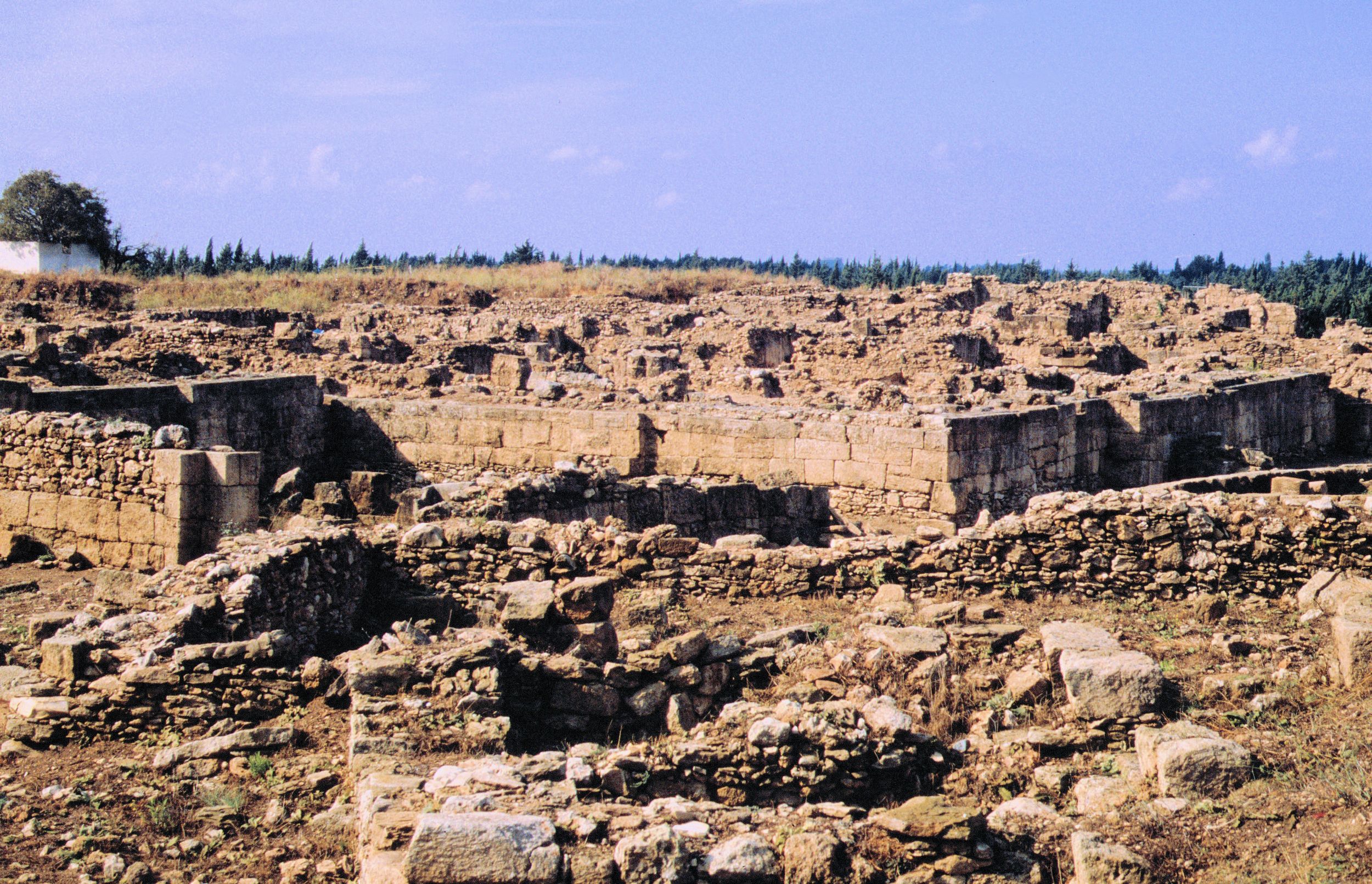
An Italian-Syrian team of archaeologists, led by Prof. Lorenzo d’Alfonso of the University of Pavia, Italy, has resumed excavations at Ugarit after they were halted when the civil war broke out in 2011. Ugarit was a port city with a thriving trade network, linking Egypt, Anatolia, Cyprus, and Mesopotamia. It existed from ca. 1450 to 1195 BC, when it was destroyed. One of the greatest finds from Ugarit was the city’s archive, discovered in 1927. The texts, written on cuneiform tablets, were written in seven languages and four scripts and contained religious and administrative records. They illuminate the world of the ancient Near East in the Late Bronze Age, and provide more detailed information about the religious beliefs surrounding Ba’al, which are frequently mentioned in the Old Testament. The team of archaeologists excavating Ugarit hope to uncover more of the city to better understand everyday life in the Late Bronze Age.
2. New Study Tracks Ivory Trade in the Southern Levant from 1600 to 600 BC
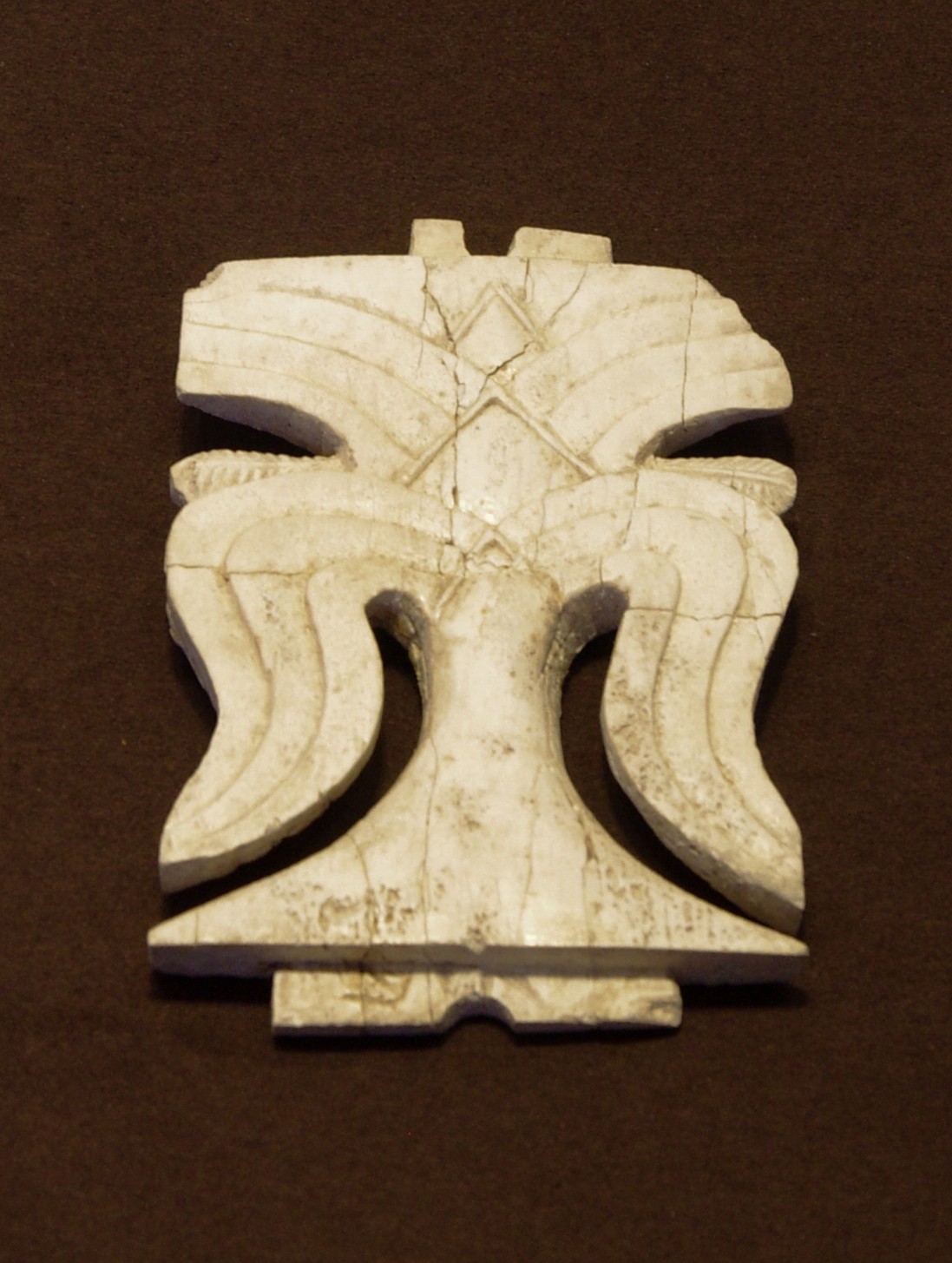
A new study in the Journal of Archaeological Science analyzes 1,500 ivory artifacts from the Southern Levant and concludes that most originated in Nubia during the Late Bronze and Iron Ages (ca. 1600–600 BC). The researchers conducted molecular analysis of the artifacts and determined that about 85% of the objects were made from elephant ivory and nearly 15% from hippopotamus. Three of the artifacts were made from boar tusks. Carbon and nitrogen isotope analysis further indicated that the animals’ diets—and thus, the ivory—came from sub-Saharan Africa, specifically ancient Nubia (which included modern Sudan). The authors conclude that these ivories reached the Southern Levant through Nubian trade networks that operated independently of Egypt or other centralized powers for roughly a millennium. The Bible likewise records significant trade activity during the reign of Solomon (1 Kgs 9:26, 10:22) and notes the use of ivory among royalty and elites (1 Kgs 10:18, 22:39; Am 6:4).
Source: https://www.sciencedirect.com/science/article/pii/S0305440325002158
1. Ancient Winepress and Cultic Complex Discovered near Megiddo
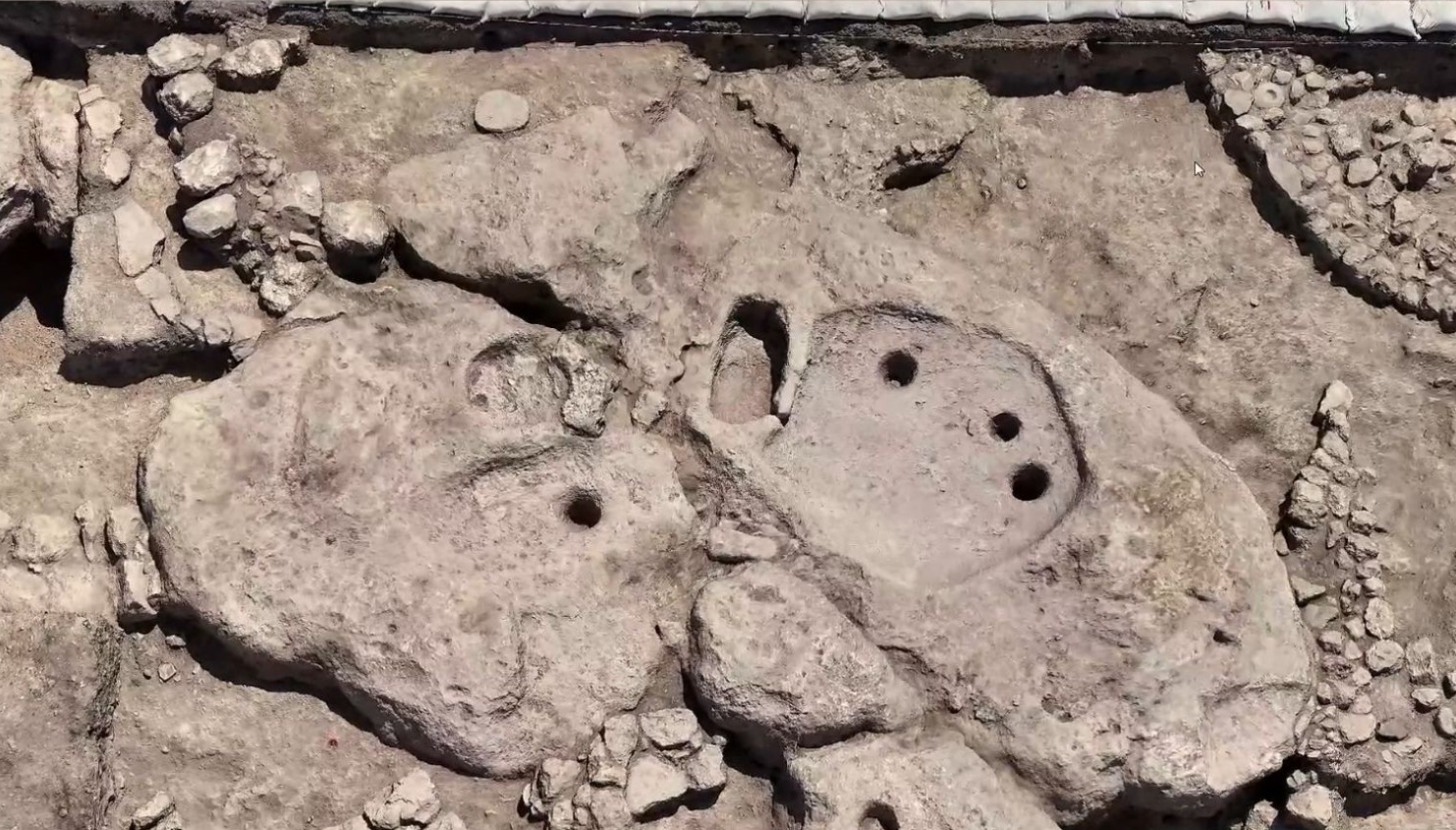
Salvage excavations conducted prior to the expansion of Highway 66 in Israel have revealed the remains of an ancient wine press and cultic complex near Megiddo. The wine press was carved into the bedrock, with a sloping surface leading to the collection vat. Based on pottery recovered from the installation and adjacent residential structures, it has been dated to the Early Bronze I period (ca. 3000 BC).

Nearby, a cultic area dating to the Late Bronze II period (ca. 1400–1200 BC) was also unearthed. Within this area, the team excavated several ritual burials of cultic vessels situated in direct line of sight of the temple at Megiddo, but outside the city gate. The assemblage included storage jars, imported jugs from Cyprus, and a miniature ceramic model of a shrine. One especially remarkable find was an intact zoomorphic vessel shaped like a hollow ram, with its mouth serving as a spout. Researchers believe this unique vessel was used for libation offerings: worshipers would pour liquid into it using a small cup, then pour the contents out as a ritual offering. The location of the cultic complex may indicate that some Canaanites worshiped their gods outside of the city on the way to the main gates.
The cultic complex dates to roughly the same period as the biblical conquest of Canaan. The Bible records that the Israelites killed the king of Megiddo (Jos 12:21) but did not capture the city (Jgs 1:27). It also notes that the Israelites later adopted the worship practices of the surrounding peoples (Jgs 2:12). This Canaanite cultic site, contemporary with that period, provides valuable insight into the forms of worship that tempted the Israelites to apostasy.
Source: https://www.iaa.org.il/en/page/news-index (See “The Earliest Winepress and Evidence of Canaanite Folk Worship: Extraordinary Archaeological Discoveries Uncovered near Tel Megiddo in Israel’s North” [November 5, 2025])
Stay Up-To-Date
Get the latest BREAKING NEWS in biblical archaeology each week here: https://biblearchaeology.org/current-events-list

 Bible Archaeology Report