
This past month, the most significant news stories from the world of biblical archaeology all involved stones: a stone seal, a stone vessel workshop, and limestone blocks related to a biblical Pharaoh. Here were the top three reports from February 2026.
3. Judahite Seal Discovered in Northern Israel
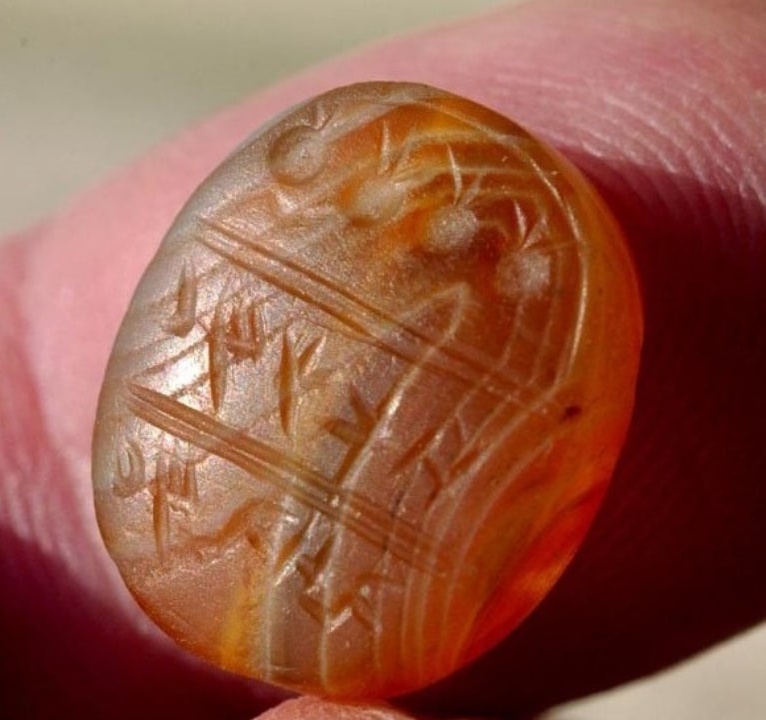
A seal dating to the eighth century BC was discovered in northern Israel during excavations associated with highway construction at the Ein Tut Interchange. The light brown stone seal is carved with four pomegranates and bears the inscription, “Belonging to Makhach (son of) Amihai.” Jar handles bearing the famous LMLK (“belonging to the king”) seal impression, along with the names of cities such as Hebron and Ziph, helped date the site. These were used during the reigns of Hezekiah and Manasseh. Archaeologists from the Israel Antiquities Authority believe this newly discovered seal was used by a government official in the kingdom of Judah.
Source: https://www.jpost.com/archaeology/article-886482
2. Stone Vessel Workshop Discovered in Jerusalem
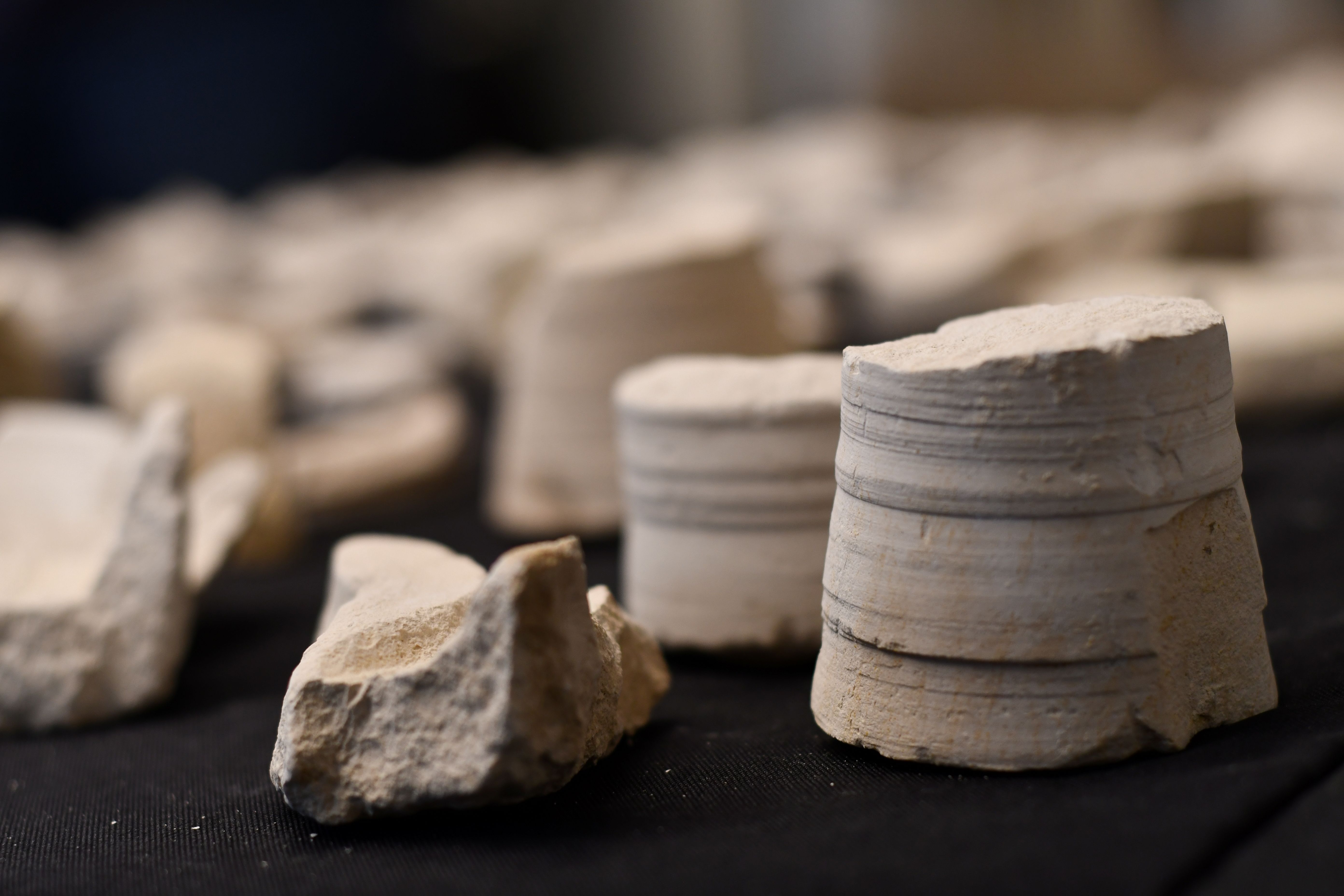
The Theft Prevention Unit of the Israel Antiquities Authority (IAA) recently discovered a stone vessel workshop in a cave on the eastern slope of Mount Scopus in Jerusalem while conducting surveillance on a gang of antiquities looters. Five suspects were arrested in and around the cave while in possession of excavation equipment and quarrying tools. Within the cave, archaeologists from the IAA recovered hundreds of stone vessel fragments and unfinished items. Rabbinic sources describe “an outbreak of purity in Israel” (Tosefta Shabbat 1:7) during the late Second Temple period. Stone vessels did not become ritually impure as pottery did; their use became prolific during this period.
1. Structure Linked to Pharaoh Hophra Unearthed at Ancient Memphis
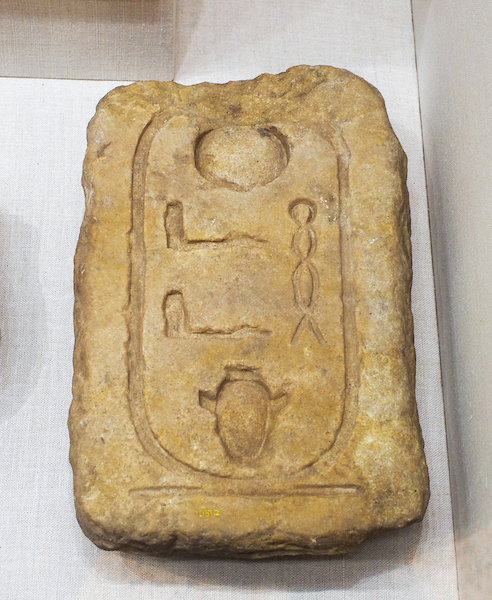
Archaeologists excavating at Tel Aziz, the site of ancient Memphis, have unearthed a limestone structure that they believe may have been part of the temple of Pharaoh Apries (biblical Hophra), a ruler from the 26th Dynasty. A series of blocks inscribed with the cartouches of Apries/Hophra was discovered alongside hieroglyphic texts referencing the god Ptah. In addition, five headless sphinxes were uncovered, as well as pottery, glass vessels, and copper coins, indicating that the site was in use from the Late period through the Roman era. Pharaoh Apries/Hophra is mentioned in Jeremiah 44:30.
Stay Up-To-Date
Get the latest BREAKING NEWS in biblical archaeology each week here: https://biblearchaeology.org/current-events-list

 Bible Archaeology Report