
Here are the top three reports from the final month of 2023, including the study of roofing tiles, building bricks and a controversial lead tablet. You also can find the Top Ten Discoveries of 2023 HERE.
3. Ceiling Tiles from Period of Seleucid Rule Discovered in Jerusalem
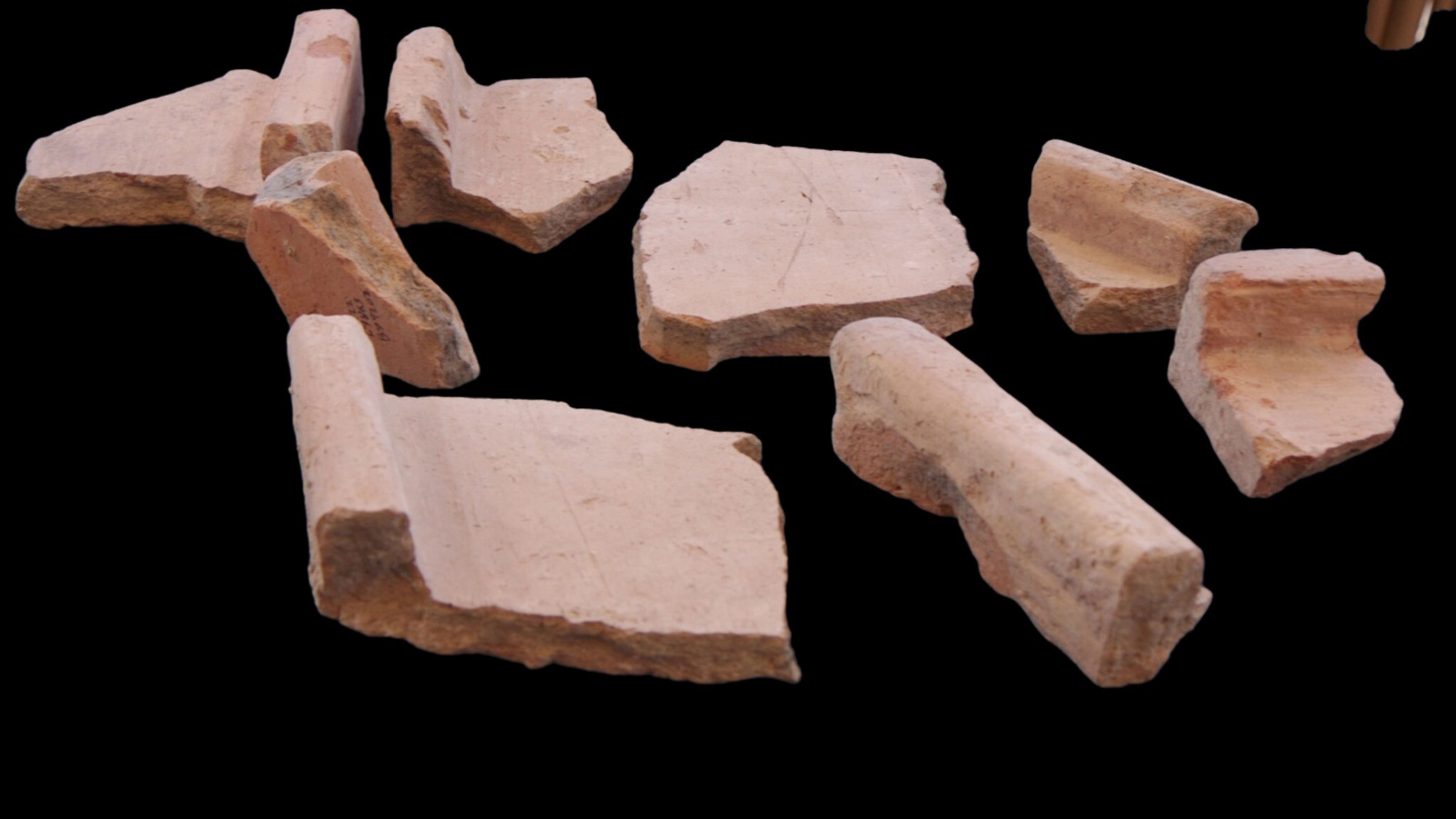
Archaeologists from the Israel Antiquities Authority and Tel-Aviv University have announced the recent discovery of 16 ceramic roofing tiles from the period when the Seleucids ruled Jerusalem. The tiles were unearthed in the Givati Parking Lot excavations. In the news reports below, the scholars interviewed suggest a link between these tiles, along with other unnamed architectural remains, and the famed Acra fortress constructed by Antiochus. The location of this fortress has been a matter of debate and some believe it was located on the City of David hill. In any case, the tiles are the oldest ceramic roofing tiles yet discovered in Israel and one of the few finds from the Seleucid period in Jerusalem.
2. New Archaeomagnetic Study Analyzes Bricks from Mesopotamia
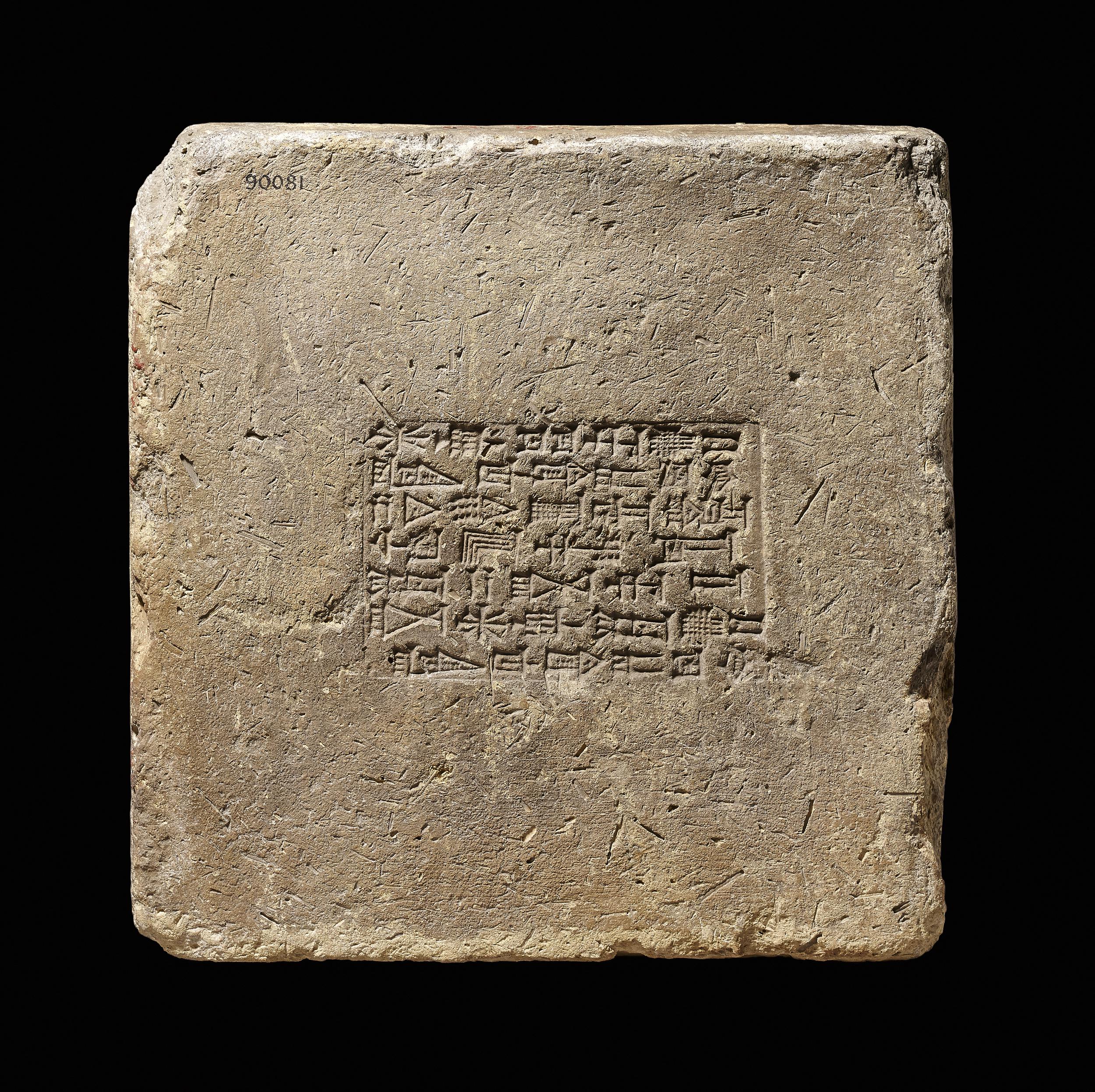
A team of researchers from the US, the UK, and Israel recently published an article entitled, “Exploring Geomagnetic Variations in Ancient Mesopotamia: Archaeomagnetic Study of Inscribed Bricks from the 3rd–1st Millennia BCE” in the journal Proceedings of the National Academy of Sciences. Archaeomagnetism, is a process through which data on the magnetic field is recovered from the ferromagnetic materials, like iron oxides, that are in ancient artifacts which have been heated to extreme temperatures. In their research, the team analyzed grains of iron oxide in 32 bricks that had each been inscribed with the names of 12 Mesopotamian kings. The results have enabled the researchers to reconstruct a baseline for the earth’s magnetic field during the period spanning the reigns of these rulers. The team was also able to confirm the Levantine Iron Age geomagnetic Anomaly (LIAA), a period of high magnetic field intensity from ca. 1050 to 550 BC. Another key finding was a sudden fluctuation in the magnetic field during King Nebuchadnezzar’s rule (ca. 604-562 BC). The archaeomagnetic baseline established by the study will help in the dating of other uninscribed objects that were subjected to heat in the ancient past.
NEWS LINK: https://cosmosmagazine.com/history/archaeology/bricks-magnetic-field-mesopotamia/
1. New Study Questions the Identification of the Mt. Ebal Lead Curse Tablet
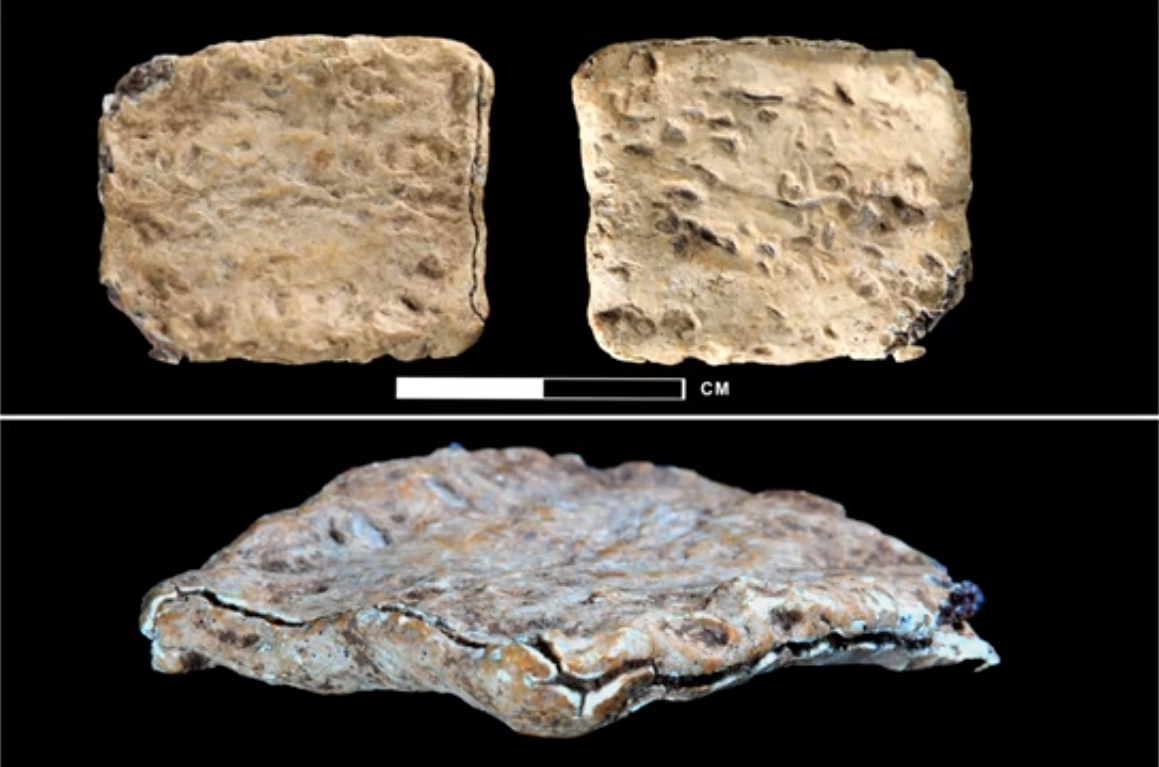
Haaretz has reported on a new study in the latest issue of the Israel Exploration Journal (Vol. 73, No. 2) that includes several articles questioning the identification of the Mt. Ebal lead tablet as a curse tablet. Aren Maeir and Christopher Rollston claim there is no inscription to be seen, while Amihai Mazar suggests the tablet is a common fishing net -sinker. Unfortunately, Mazar does not provide a plausible explanation for how a fishing net -sinker came to be in a Late Bronze Age cultic context on the top of a mountain that is inland away from water. Moreover, the Haaretz article has numerous inaccuracies. One aught not be surprised that there are alternative theories for the identification of the lead tablet. This is a healthy part of academic debate and the reason why peer-reviewed articles are important. We also anticipate that there will be further articles published pushing back against the articles recently published in the Israel Exploration Journal.
BONUS: SEE MY RESPONSE TO THE ARTICLES IN THE ISRAEL EXPLORATION JOURNAL, ALONG WITH SCOTT STRIPLING’S RESPONSE TO THE HAARETZ ARTICLE:
Stay Up-To-Date
Get the latest BREAKING NEWS in biblical archaeology each week here: https://biblearchaeology.org/current-events-list
 Bible Archaeology Report
I love seeing the pictures of these fascinating finds. Keep the photos coming. Thank you.