
This past month, stories about ancient tombs and an ancient gold processing facility dominated the news. Here were the top three reports in biblical archaeology from February 2025.
3. 3,000-Year-Old Gold Processing Facility Discovered in Egypt
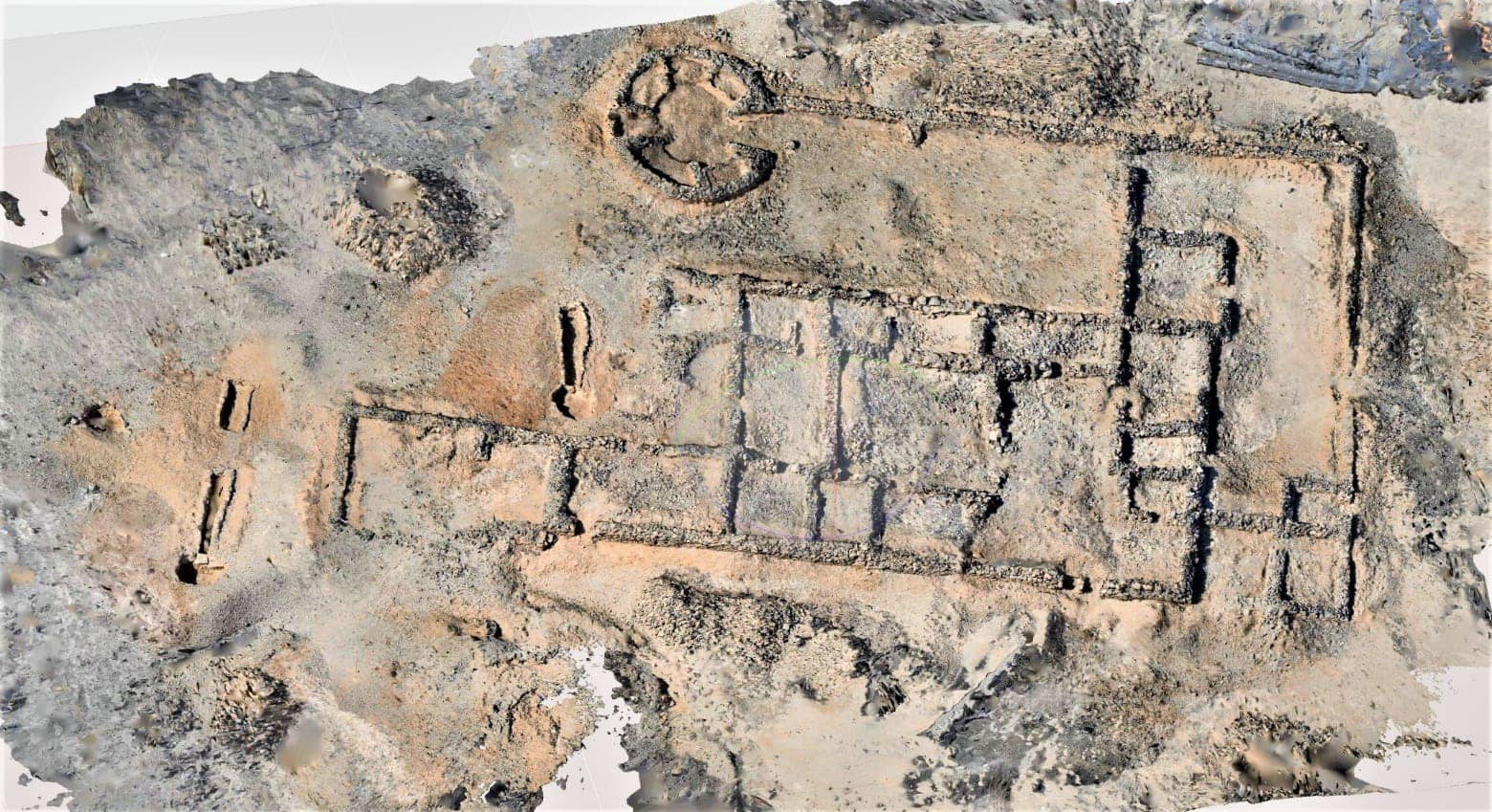
The Secretary-General of the Supreme Council of Antiquities (SCA) recently announced the discovery of a gold processing complex at Jabal Sukari, near the Red Sea, which dates back 3,000 years. Archaeologists have been excavating the site for two years and have uncovered grinding and crushing stations, filtration and sedimentation basins, and ancient clay furnaces used for gold smelting. Nearby, the excavation team also discovered the remains of the town where the gold miners lived, including domestic dwellings, administrative buildings, temples, and baths. Additional finds include hundreds of ostraca (inscribed clay pottery shards), five Ptolemaic offering tables, and figurines from the Greco-Roman era. Scholars from the SCA believe these discoveries will shed new light on the mining techniques the ancient Egyptians used to extract gold from rock.
Sources:
- https://www.facebook.com/tourismandantiq/posts/pfbid0kfZL9V1TB88G28CKEA3DVB5B5skBc8jiL46ahC6SPyk117wR6qszhqbgcYxr9SAZl
- https://www.heritagedaily.com/2025/02/archaeologists-reveal-a-3000-year-old-gold-processing-complex/154621
2. Ancient Tomb in the Negev May Indicate the Presence of Trade Caravans
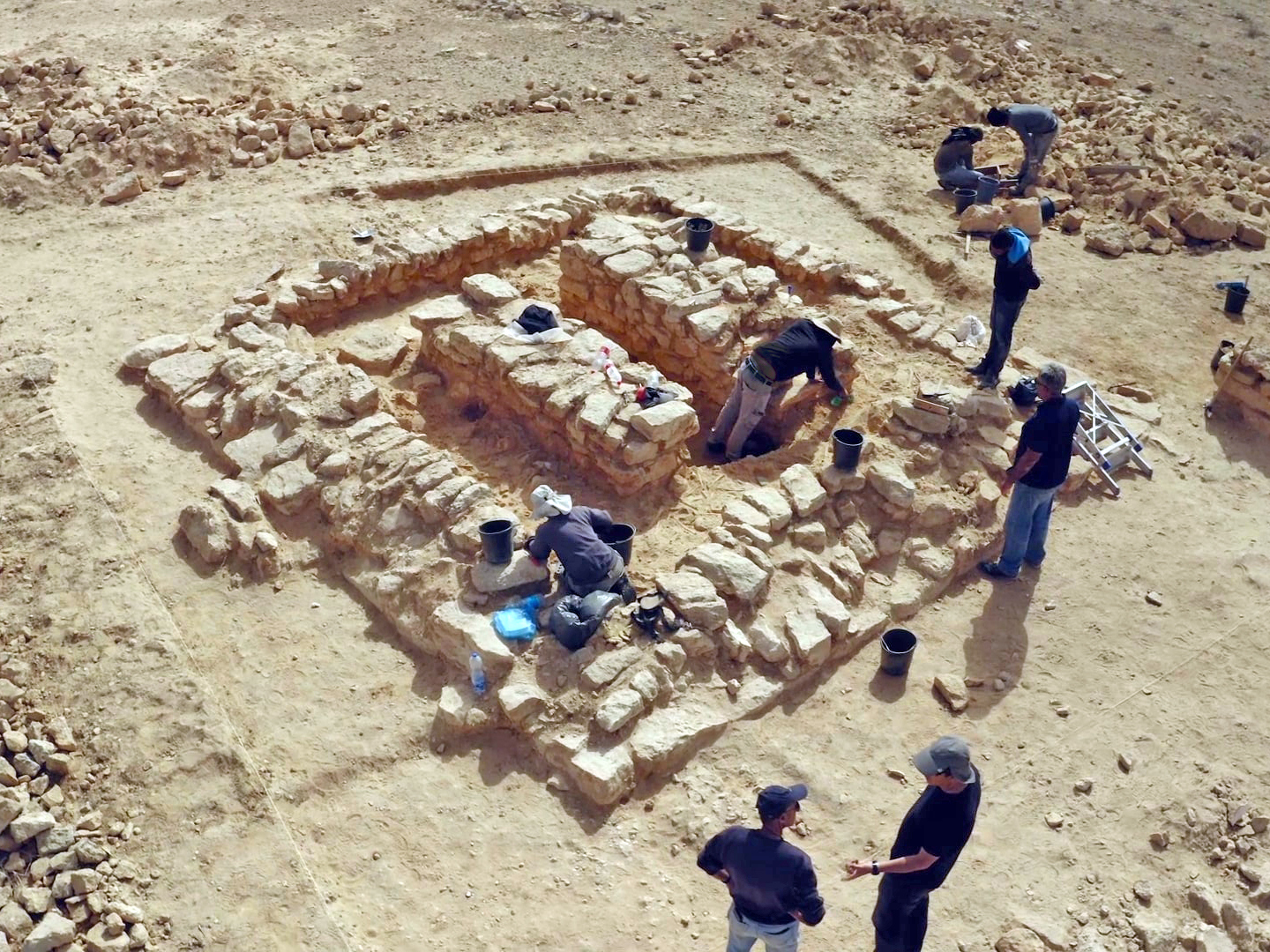
Archaeologists from the Israel Antiquities Authority recently announced the discovery of a 2,500-year-old tomb compound in the Negev Highlands that contained the remains of dozens of individuals. They believe the burials were associated with trade caravans from Arabia, since the site is situated at a junction of ancient trade routes and is far from any known settlements. Numerous artifacts were unearthed in the tomb complex, including copper and silver jewelry, Egyptian scarabs, and alabaster beehive jars that were used to carry incense from places like Yemen to areas in the southern Levant. The number of individuals interred at the site might indicate that it was used over generations or it may be that that a trade caravan came under attack. Scholars believe the discovery indicates the iimportant role of the Negev in antiquity as an international crossroads and as a gateway for trade in the region. The findings were presented in a session of the lecture series entitled “Archaeological Mysteries,” which is being conducted by experts from the Israel Antiquities Authority in the Jay and Jeanie Schottenstein National Campus for the Archaeology of Israel.
Source: https://www.youtube.com/watch?v=-_JoQDECXHY
1. Possible Tomb of Thutmose II Discovered in Egypt
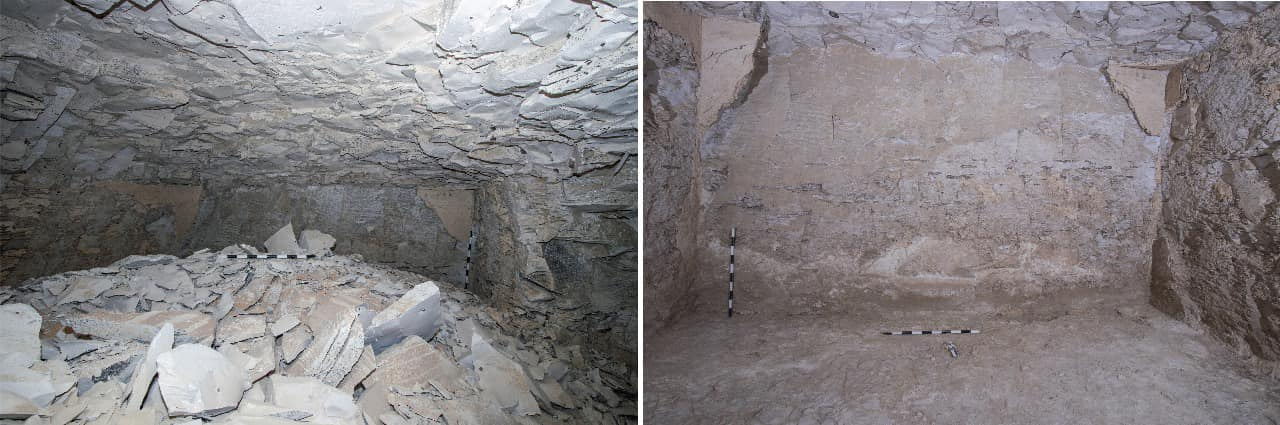
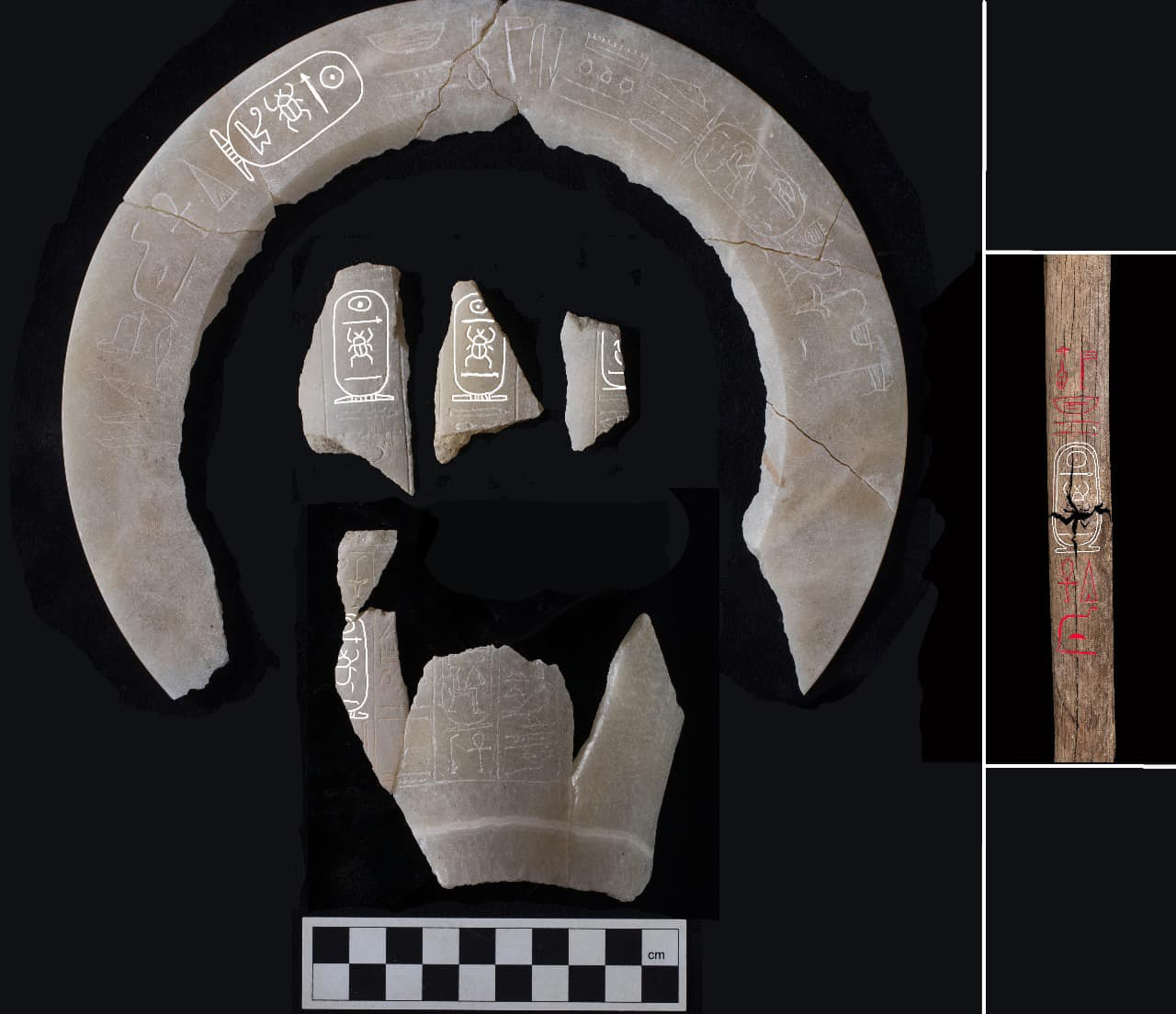
The Egyptian Ministry of Tourism and Antiquities recently announced the discovery of the tomb of Thutmose II, the last undiscovered tomb of the pharaohs of the 18th Dynasty. The tomb, numbered C4, is located 1.5 miles (2.4 km) west of the Valley of the Kings. It was discovered in October 2022 and was initially thought to have belonged to a wife of one of the Thutmosid pharaoh since it is close to the tombs of Thutmose III’s wives and the tomb of Hatshepsut. The tomb itself is relatively small and in poor condition due to flooding. The excavation team discovered remains of painted plaster that featured, among other things, blue inscriptions from the Amduat, a religious text known from other royal tombs. During the most recent excavation season, archaeologists unearthed fragments of alabaster vessels inscribed with the name of Thutmose II beside that of Queen Hatshepsut, and with the words ‘the deceased king.” Another pottery fragment bore a label that the original vessel once contained natron, which is used in embalming. This implies that a body was once buried in the tomb. Based on these finds, some scholars believe this to be the original tomb of Thutmose II. Others are skeptical, however, given the tomb’s simplicity and strange location. Those who believe this is the original tomb of Thutmose II hypothesize that his mummy and grave goods were moved to a new tomb when the original one was damaged by flooding. If this is confirmed to be the actual tomb of Thutmose II, it would be the first royal tomb unearthed in Egypt since the discovery of King Tutankhamun’s tomb in 1922. The archaeological team plans to continue its work to locate the place the original contents were moved to. Thutmose II is most famous for marrying his half-sister Hatshepsut, whom some biblical scholars have identified as the
”daughter of Pharaoh” who pulled Moses from the Nile River (Ex 2:5).
SOURCES:
- https://www.facebook.com/tourismandantiq/posts/pfbid029w4T4rPomFLHFDHJeNJuM4ovBN8GaSAT17C353YTzSbgYRoixffjvcLdk61UPcafl
- https://www.egypttoday.com/Article/4/138532/Discovery-of-King-Thutmose-II%E2%80%99s-Tomb-Last-Missing-18th-Dynasty
- https://www.livescience.com/archaeology/ancient-egyptians/archaeologists-discover-tomb-of-thutmose-ii-1st-ancient-egyptian-burial-of-a-pharaoh-to-be-found-in-100-years
Stay Up-To-Date
Get the latest BREAKING NEWS in biblical archaeology each week here: https://biblearchaeology.org/current-events-list


