
To close the year out, here were the top three reports in biblical archaeology in December 2025.
3. 2000-Year-Old Mikveh Unearthed in Jerusalem
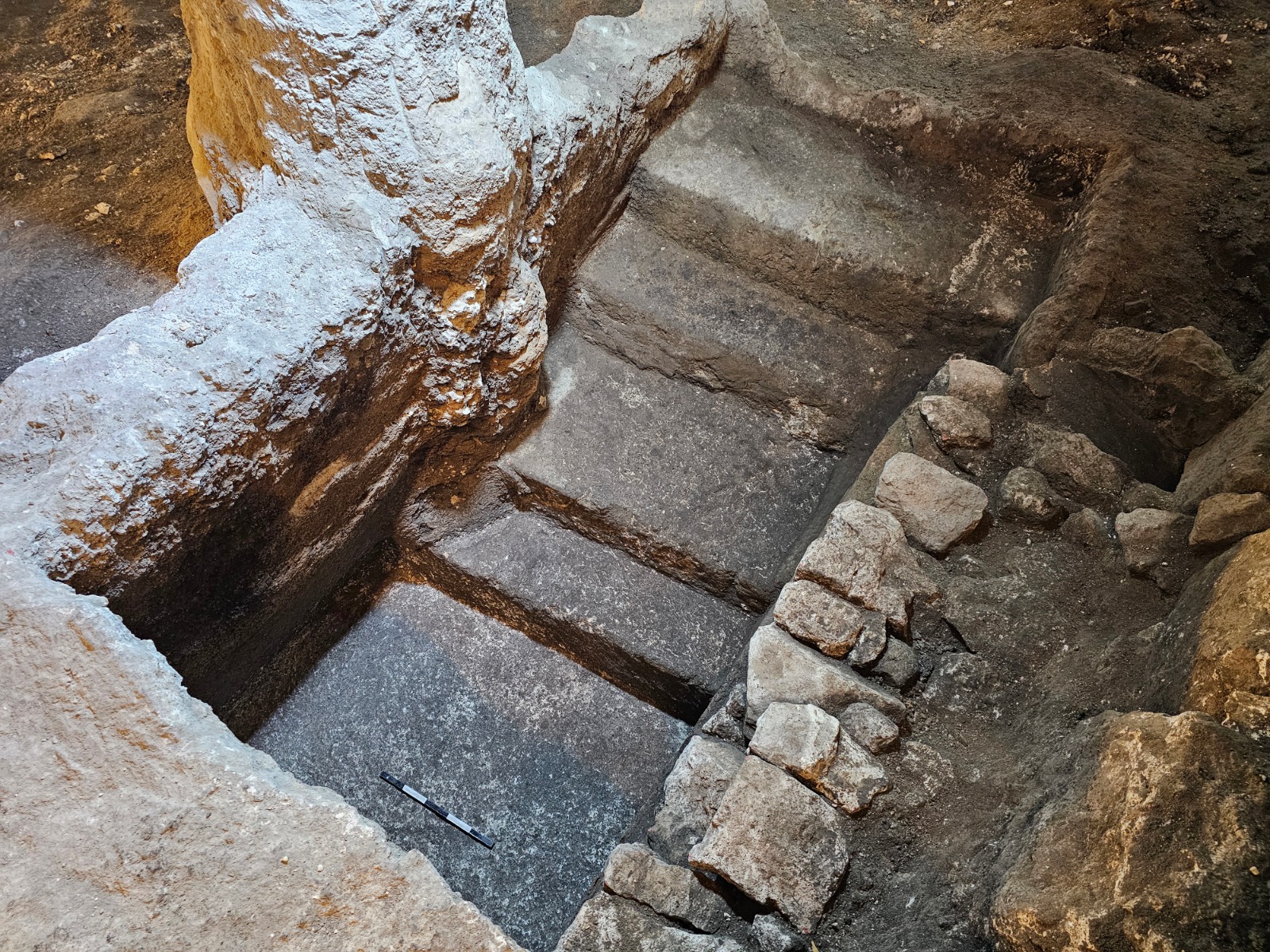
A mikveh (ritual purification bath) dating to the Second Temple Period was recently discovered beneath the Western Wall Plaza. The rectangular mikveh is 10 feet (3.05 meters) long, 4.5 feet (1.35 meters) wide, and 6 feet (1.85 meters) deep. It was hewn out of bedrock and plastered, with four steps leading down into it. A layer of ash from the destruction of Jerusalem in A.D. 70 sealed pottery vessel fragments and stone vessels, which helped archaeologists date the installation. The mikveh is located in close proximity to the main entrances to the Temple Mount, as ancient Jewish people had to purify themselves in a ritual bath before they were allowed to enter the Temple.
Source: https://www.iaa.org.il/en/page/news-index (See “Ahead of the Tenth of Tevet: A Mikveh (Ritual Purification Bath) from the Final Days of the Second Temple Period Discovered in Archaeological Excavations beneath the Western Wall Plaza” [December 29, 2025])
2. Egypt Unveils Restored Colossal Statues of Amenhotep III
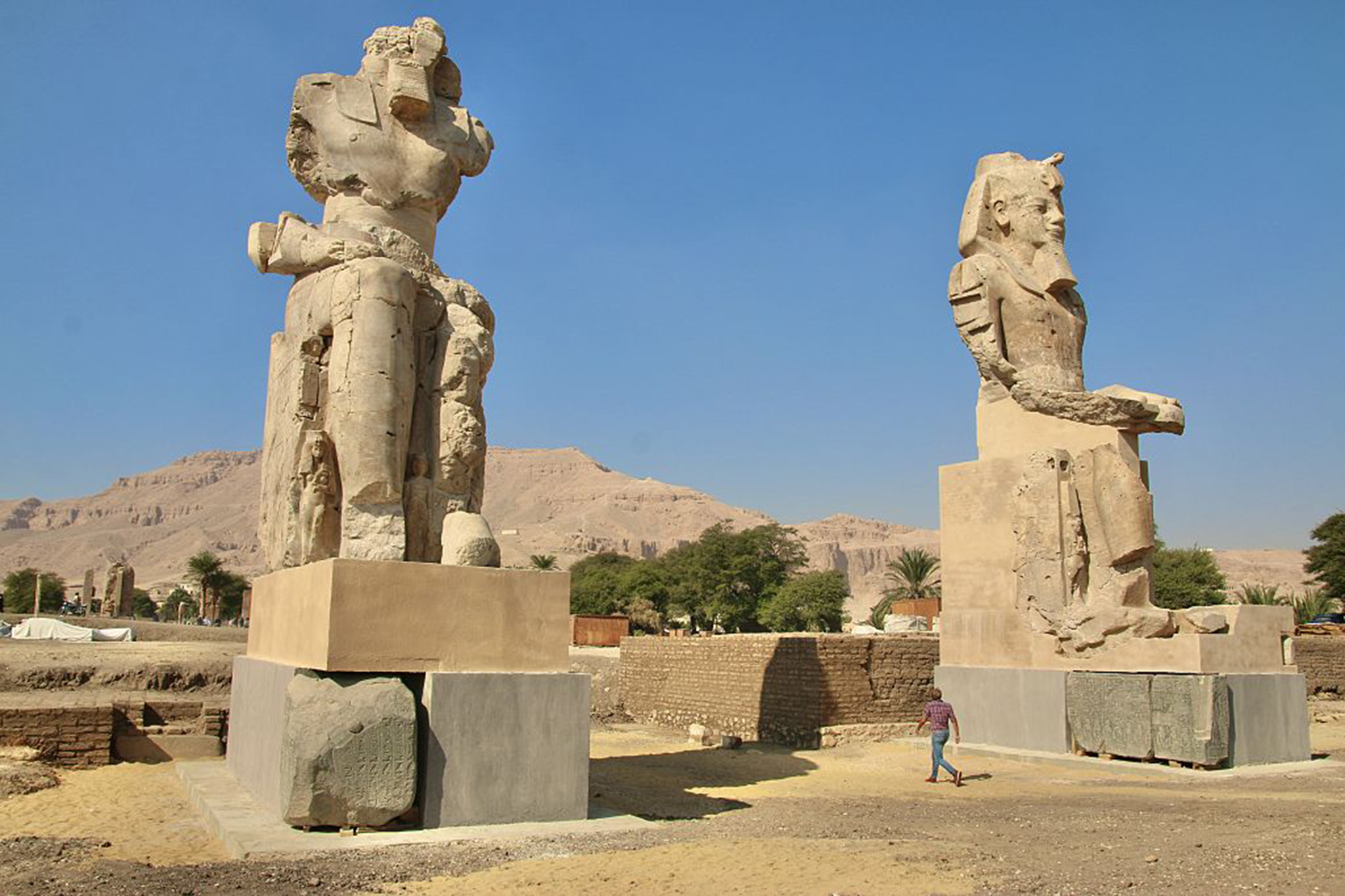
The Egyptian Ministry of Tourism and Antiquities recently unveiled two colossal statues of Amenhotep III at Luxor. The statues, known as the Colossi of Memnon, were reassembled after a 20-year-long restoration project. An earthquake around 1200 BC destroyed Amenhotep III’s funerary temple and caused the statues to collapse. Various pieces were quarried and dispersed throughout Egypt over the years. Archaeologists later located these pieces and painstakingly reassembled them. The two colossi now stand again at a height of 48 feet (14.5 meters) and 45 feet (13.6 meters), respectively, at the entrance to the pharaoh’s funerary complex. They depict Amenhotep III, wearing the royal double crown, facing east towards the sun. Many biblical scholars believe Amenhotep III (ca. 1391–1354 BC) was the pharaoh ruling during the period of the conquest.
Source: https://apnews.com/article/egypt-antiquities-pharoah-tourism-6f8337f96ab084b7854ca9ed13c214de
1. Section of Hasmonean Wall Discovered in Jerusalem
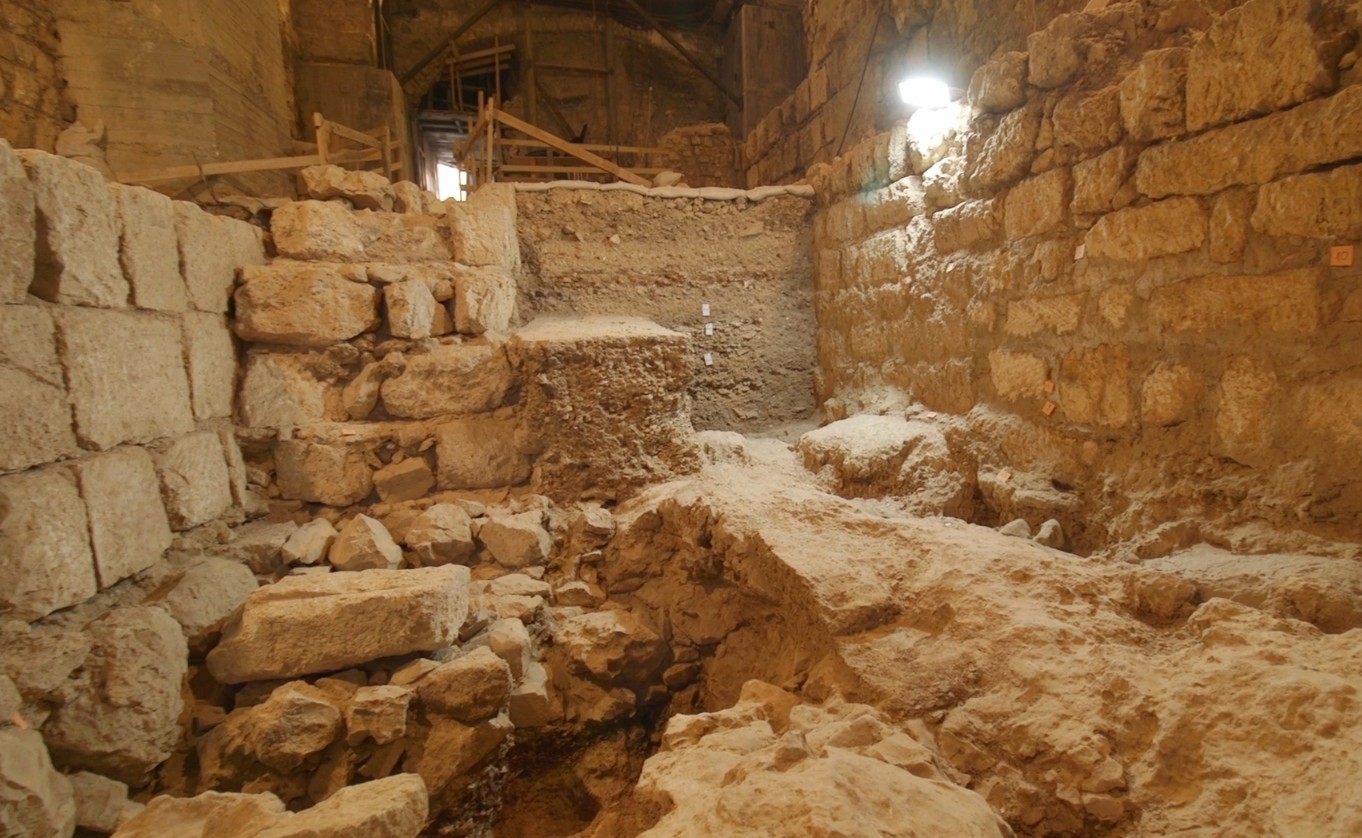
Photo courtesy of Emil Aladjem / Israel Antiquities Authority
The Israel Antiquities Authority (IAA) announced the results of excavations within the Kishle, an Ottoman-era prison structure within the Tower of David Museum in Jerusalem. Archaeologists unearthed the foundations of the Hasmonean (Maccabean) city wall, which was built in the second century BC. Excavations revealed that the 16-foot (5-meter) wall had been systematically disassembled, leaving only the foundation stubs. The archaeologists offered two possible explanations for this: the wall may have been dismantled by the Hasmoneans in exchange for peace with Antiochus VII Sidetes, as described by Josephus (Antiquities, 13.230–253), or King Herod may have ordered its destruction to distinguish his rule from the Hasmonean kings and allow the building of his palace in its place.
Source: https://www.iaa.org.il/en/page/news-index (See “An Impressive Section of Jerusalem’s Hasmonean Period City Wall – From the Longest and Most Intact Segments Ever Discovered – Was Unearthed in the Tower of David Jerusalem Museum” [December 8, 2025])
Stay Up-To-Date
Get the latest BREAKING NEWS in biblical archaeology each week here: https://biblearchaeology.org/current-events-list

 Bible Archaeology Report
you’re doing some very good work much appreciated all the best for 2026
David Jebb