

Here is the video version of this blog:
https://youtu.be/vCH1poeU8TM?si=_1ZFJg-oZ9kDCGkj
This is one of my favourite annual blog posts, in which I look back over the past year and select the top ten discoveries in biblical archaeology. As part of my work with the Associates for Biblical Research (BibleArchaeology.org), I sift through almost 200 news reports each year and write weekly Breaking News updates. This results in approximately 50 updates annually, from which I select the ten that I believe are the most significant.
If you’re new to my yearly top ten list, here are my criteria:
Here are my criteria:
- These discoveries must be directly related to people, places or events mentioned in Scripture, or to the composition of Scripture itself. For example, in October 2025 Egyptian Ministry of Tourism and Antiquities announced that the tomb of Pharaoh Amenhotep III had reopened to the public following a 20-year restoration project. Many scholars identify Amenhotep III as the pharaoh ruling during the period of the Israelite conquest. It was an important announcement of a significant site, but it was not a discovery, so it was not considered for this list.
- They must be discoveries or new studies about discoveries, as opposed to announcements.
- I only consider discoveries/studies that have been publicized through an official announcement by a Ministry of Antiquities or from a licensed archaeological dig with the expectation that a peer-reviewed article will follow, or ones that are published in peer-reviewed or other reputable journals.
Here then are the top ten discoveries in biblical archaeology in 2025.
10. Ancient Necropolis Unearthed at Colossae (Oct. 2025)
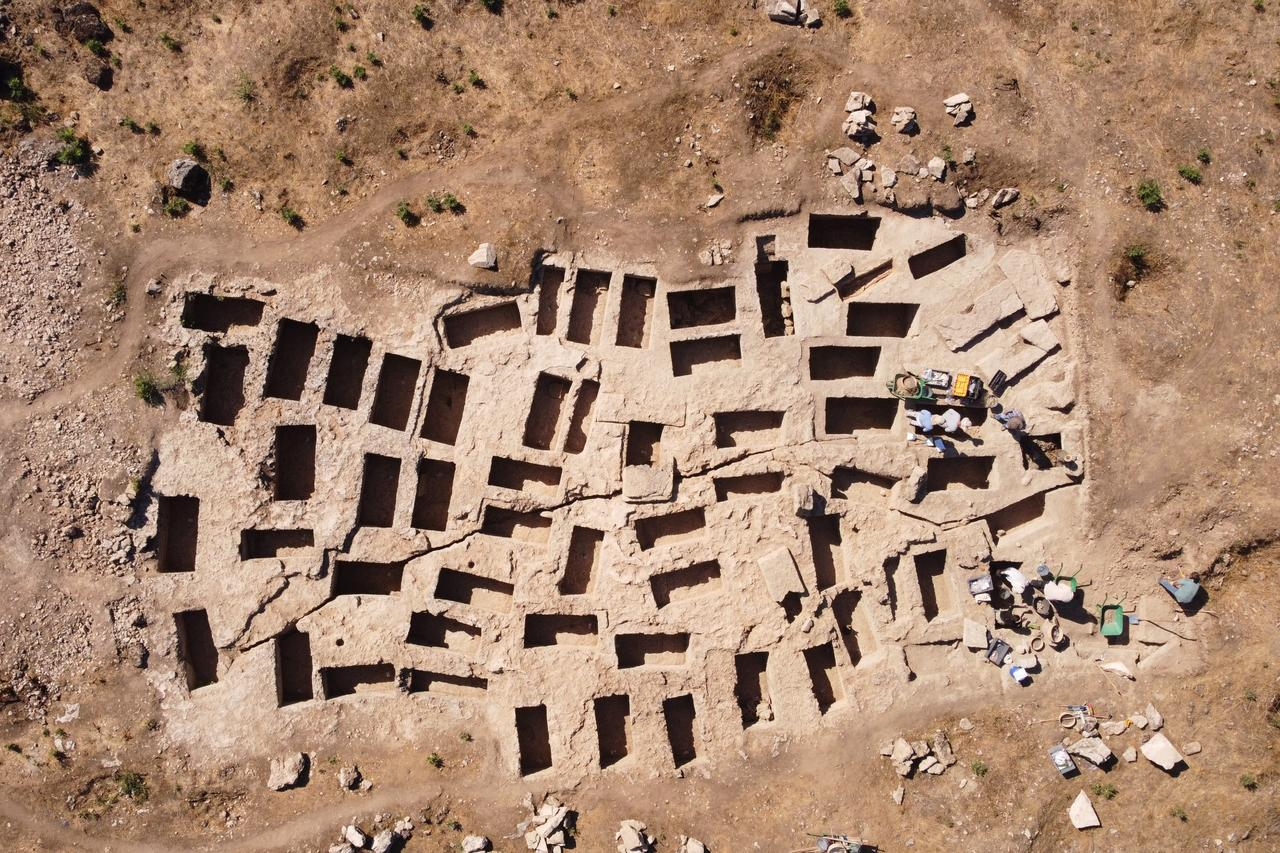
The first-ever systematic excavations at Colossae began in 2025, and the team leading the dig announced the discovery of a necropolis at the site. Sixty intact, rock-cut “bathtub” tombs were unearthed, each approximately 5 feet 11 inches (1.8 m) long and 4 feet 11 inches (1.5 m) deep. Inside the tombs, archaeologists discovered clay vessels, glass bottles, oil lamps, coins, and personal belongings, such as sandals. Preliminary evidence suggests the burials date to around 2,200 years ago. This discovery offers new insights into the burial customs and spiritual beliefs of the ancient Colossians. The site is historically significant for biblical studies because the apostle Paul wrote a letter to the church at Colossae, which was likely founded by Epaphras (Col. 1:7; 4:12).
9. Tomb of Thutmose II Discovered in Egypt (Feb. 2025)
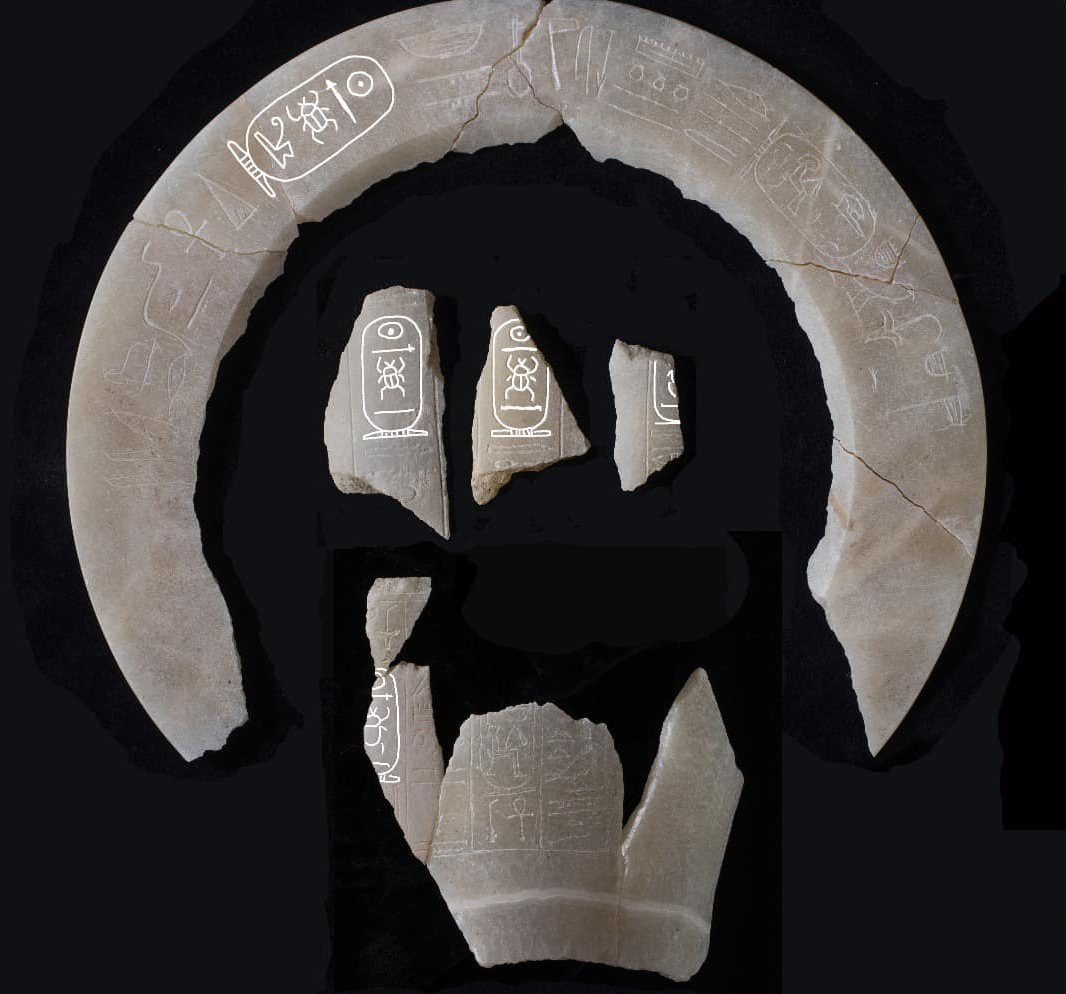
The Egyptian Ministry of Tourism and Antiquities confirmed that a tomb discovered in the autumn of 2022 indeed belonged to Thutmose II. This was the last missing tomb of a pharaoh of the 18th Dynasty and the first royal tomb to be discovered in over 100 years (the last being that of Tutankhamun in 1922). The tomb itself is relatively small and in poor condition due to flooding. The excavation team discovered remains of blue-painted plaster with yellow stars from the ceiling and the remains of an inscription on the wall from the Amduat, a religious text known from other royal tombs. During the most recent excavation season, archaeologists unearthed fragments of alabaster vessels inscribed with the name of Thutmose II beside that of Queen Hatshepsut, and with the words ‘the deceased king.” Thutmose II is most famous for marrying his half-sister Hatshepsut, whom some biblical scholars have identified as the “daughter of Pharaoh” who pulled Moses from the Nile River (Ex 2:5).
8. Moabite Inscription Unearthed at Jericho (July 2025)
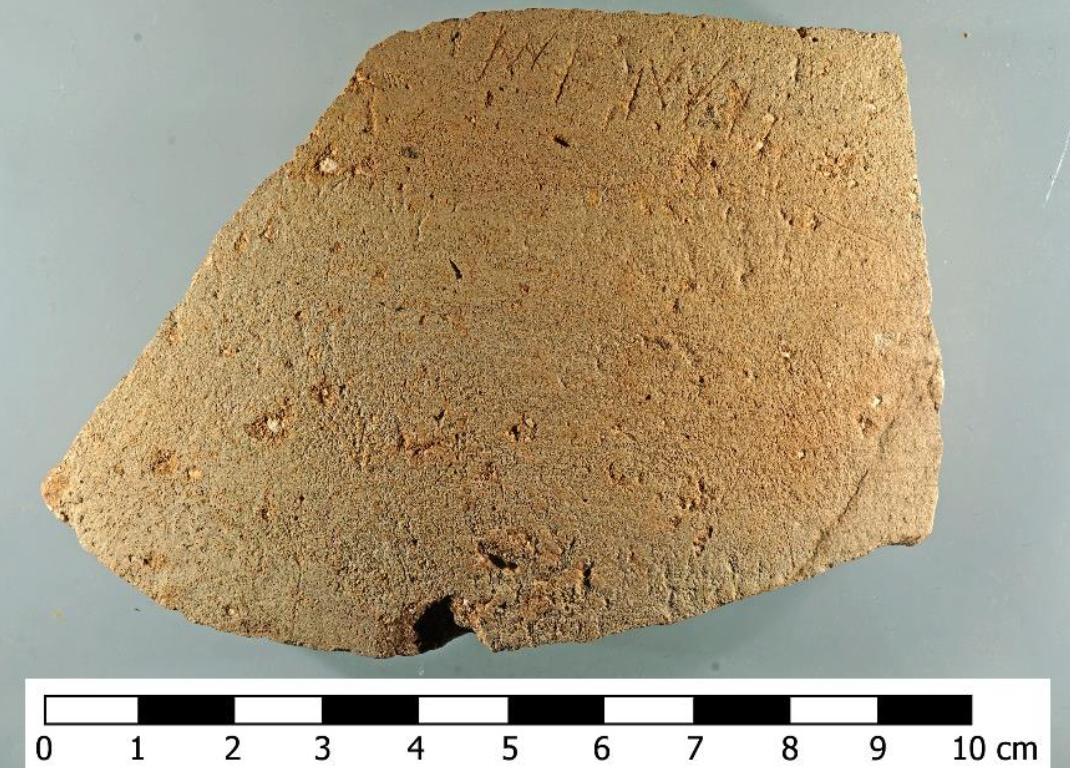
Lorenzo Nigro, the director of excavations at Tell es-Sultan (Old Testament Jericho), recently published his interim report covering their excavations from 2019–2023. One important discovery highlighted in the report was an ostracon with a Moabite inscription, containing a dialect similar to that on the famous Mesha Inscription. The ostracon was found on the summit of the tell near where the Middle Bronze Age temple once stood. The inscription dates to the Iron Age IIA period (960–840 BC), which leads the excavators to conclude that Jericho was likely under Moabite control at that time. The Bible notes that Jericho was under Moabite control during an earlier period as well, during the reign of King Eglon, likely during the 13th or 12th century BC (Jgs 3).
7. Structure on the Eastern Slope of the City of David Identified as an Ancient Place of Worship (Jan. 2025)
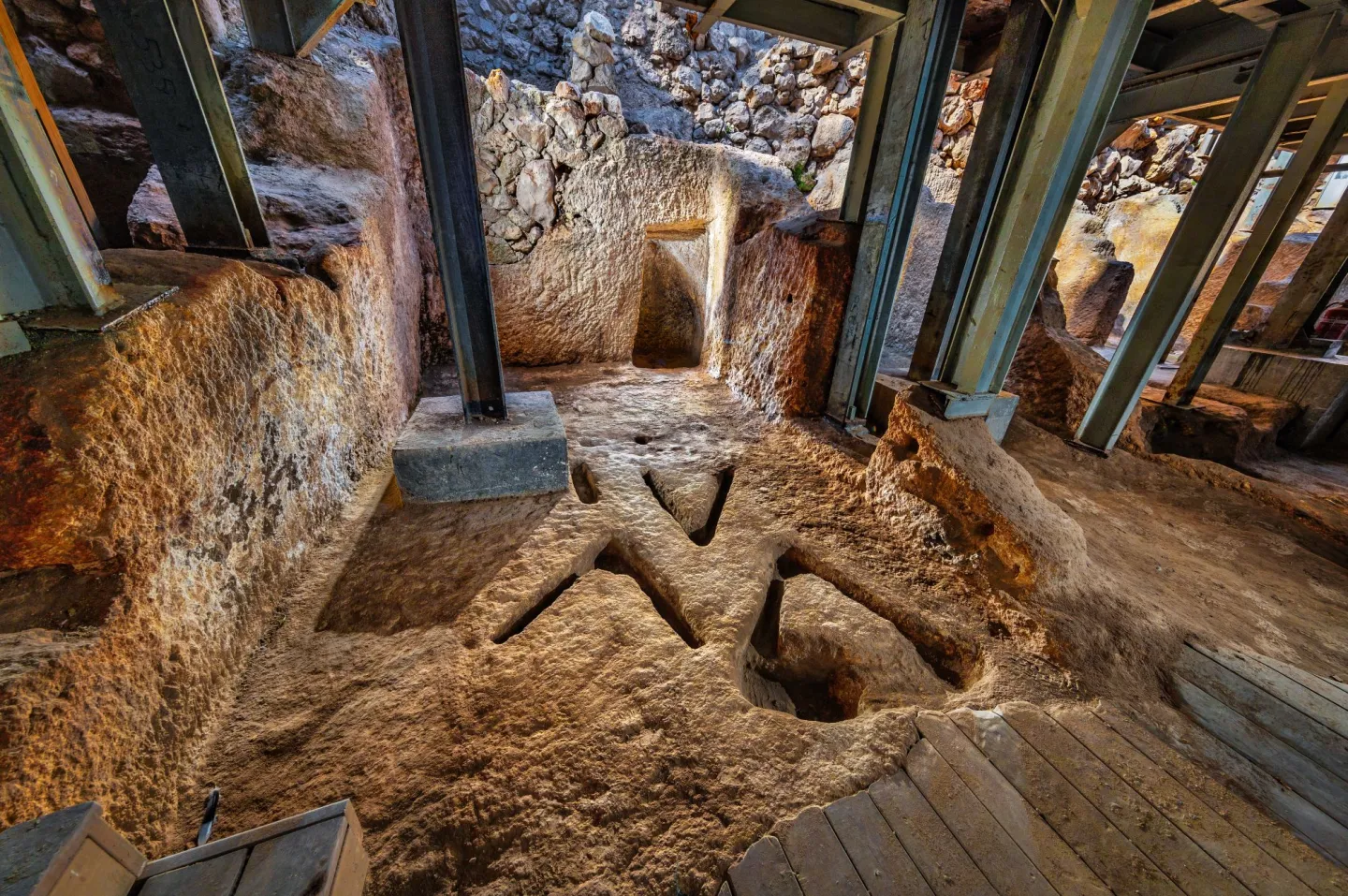
The authors of a recent article in the journal ‘Atiqot interpret a structure on the eastern slope of the City of David in Jerusalem as an ancient place of worship that was in use from the Middle Bronze Age to the mid-eighth century BC. The excavations were carried out in 2011, but the results were only recently published. The structure consists of eight, rock-hewn rooms, some of which contained artifacts associated with cultic sites. In Room 4, excavators found part of a massebah (standing stone) in situ, which was likely used for worship. Room 5 contained a chamber with what the authors believe is a favissa, a collection worship-related artifacts that were no longer in use. These include scarabs, bullae, restorable vessels, figurines, and animal bones. Room 5 also contained mysterious V-shaped channels carved into the floor. An oil press was discovered nearby within the structure. ABR’s Dr. Scott Stripling believes it may have been the location where King David set up the tabernacle to house the ark of the covenant These rock-hewn rooms had walls but no roof; a tent could have been placed over them. Moreover, the Bible indicates that David set up the tabernacle above the Gihon Spring (2 Sam 6:16–17; 1 Kgs 1:38–39), which is where this structure is located.
Source: https://publications.iaa.org.il/atiqot/vol116/iss1/5/
6. Traces of Ancient Garden Discovered Beneath the Church of the Holy Sepulchre (March 2025)
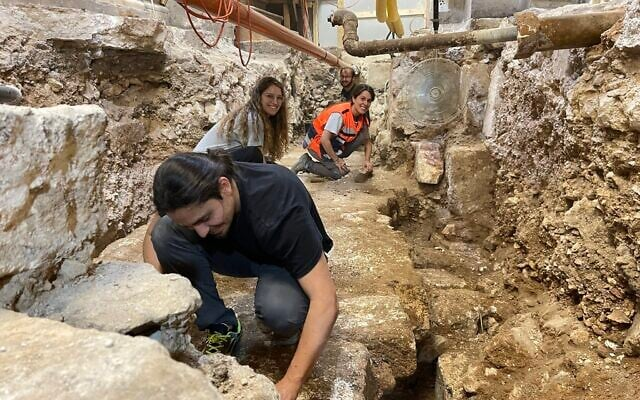
La Sapienza University professor Francesca Romana Stasolla, who is overseeing the excavations at the Church of the Holy Sepulchre, recently shared some of the results of their work replacing the floor tiles in a comprehensive interview with the Times of Israel. Replacing these tiles gave archaeologists a rare opportunity to excavate at this ancient site. One of the biggest findings has been the remains of olive trees and grapevines, identified through archaeobotanical analysis (including pollen analysis) on samples retrieved from beneath the floor. Based on the archaeological context, the strata in which the samples were obtained date to the pre-Christian era. The discoveries indicate that the area was once a garden, which affirms John’s description of the place where Jesus was buried: “Now in the place where he was crucified there was a garden, and in the garden a new tomb in which no one had yet been laid” (Jn 19:41 ESV).
5. Bulla Inscribed with Biblical Name Discovered by Temple Mount Sifting Project (July 2025)

The Temple Mount Sifting Project (TMSP) announced the discovery of a clay bulla (seal impression) bearing an inscription with a biblical name. The bulla dates paleographically to the 7th or 6th century BC and reads, “Belonging to Yed[a‛]yah, son of Asayahu.” A man named Asayahu who served King Josiah is mentioned in two places in the Bible (2 Kgs 22:12; 2 Chr 34:20). The name on the bulla is the same as the one in the Bible, though it appears here in its longer form; the shorter (Asaya) and longer (Asayahu) versions were used interchangeably in antiquity. The name Asayahu is also attested on another bulla that surfaced about 20 years ago, accompanied by the words “servant of the king.” However, because that bulla appeared on the antiquities market, its authenticity remains uncertain. The bulla discovered by the TMSP comes from an archaeological context, albeit one that had been disturbed. While it is impossible to conclusively state that the TMSP bulla refers to the same official who served in King Josiah’s court in the late 7th century BC, it does confirm that the name was in use at that time.
4. Evidence of Egyptian Army that Defeated King Josiah Discovered at Megiddo (March 2025)
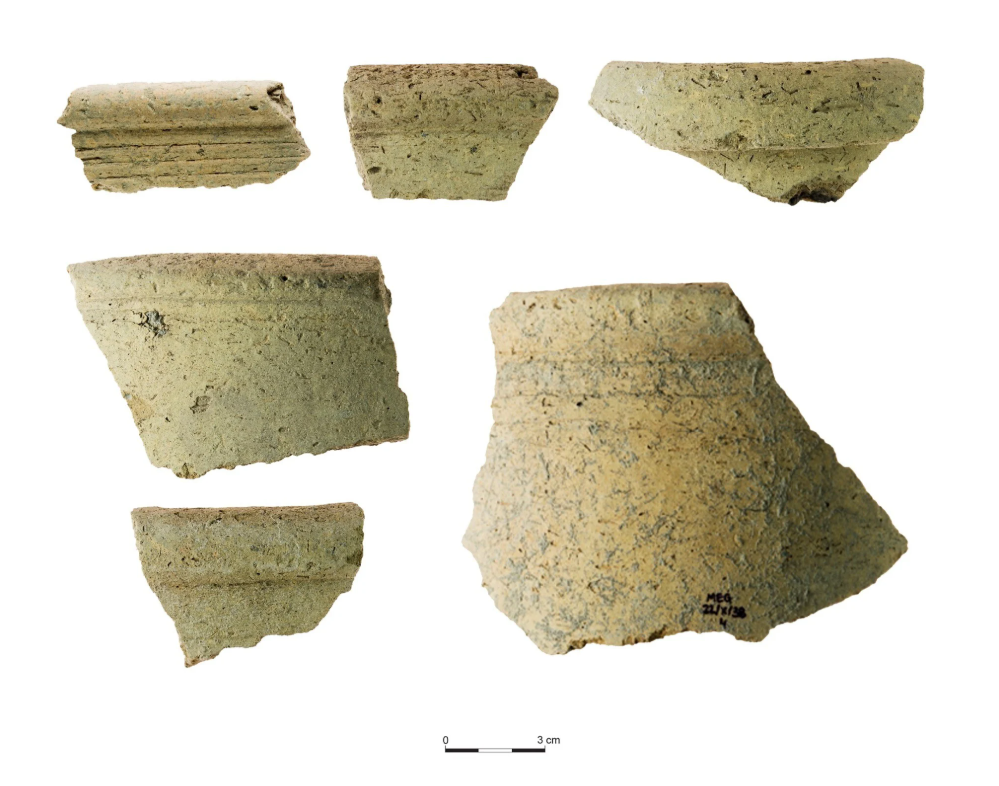
Archaeologists working at Megiddo recently announced the discovery of an assemblage of Egyptian and Greek pottery dating to the seventh century BC, which they associate with the army of Pharaoh Necho, who defeated King Josiah in 609 BC (2 Kgs 23:29–30). The Egyptian pottery is crudely made and poorly fired and was likely used for supplies for Necho’s army. The Greek pottery was likely used by Greek mercenaries whom Necho had hired. The assemblage was discovered from 2016 to 2022 in an area (Area X) that had never before been excavated. It is the largest Egyptian pottery assemblage ever discovered in the Southern Levant, dating to the Late Iron Age. The team concluded that the best explanation for this combination of pottery is that it was left by Necho’s army, which was accompanied by Greek mercenaries. The book of Jeremiah seems to indicate that Greek troops from Lydia fought alongside Pharaoh Necho (Jer. 46:9).
Source: https://www.tandfonline.com/doi/abs/10.1080/09018328.2025.2454490
3. New Study Proposes Earlier Composition Dates for Some Dead Sea Scrolls (June 2025)
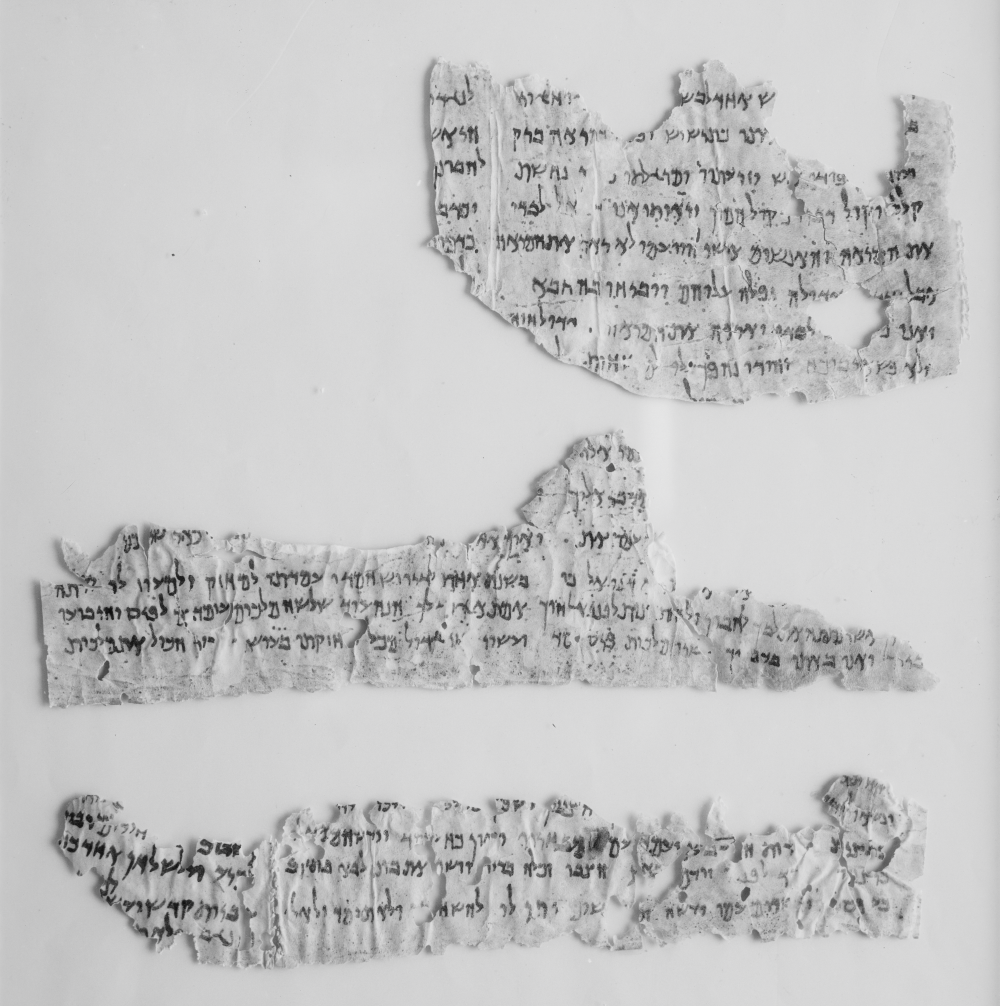
According to a new study in the journal PLOS One, a third of the Dead Sea Scrolls (DSS) manuscripts tested were composed earlier than initially thought. The research team created an artificial intelligence program, named “Enoch,” that was trained to predict dates based on the handwriting style features of the manuscripts and carbon-14 results. These dates were then compared with the dates traditionally assigned to the scrolls based on paleography. Thirty DSS manuscripts were initially tested, with twenty-six providing valid results. In one-third of the samples (9 out of 26), the dates provided by Enoch and radiocarbon dating were earlier than the proposed palaeographic dates. This includes DSS manuscripts such as 4Q2 (Genesis), 4Q27 (Numbers), and 4Q30 (Deuteronomy). The results for 4Q114 (Daniel) pose a problem for scholars who date the composition of Daniel to ca. 160 BC, since the radiocarbon dates indicate 4Q114 was likely composed earlier (ca. 230–160 BC). The fact that the book of Daniel was copied, circulated, and accepted as canonical already in the second or third century BC suggests an even earlier composition date.
Source: https://journals.plos.org/plosone/article?id=10.1371/journal.pone.0323185
2. Huge Dam Wall from the Time of King Joash Unearthed in the Pool of Siloam (Aug. 2025)
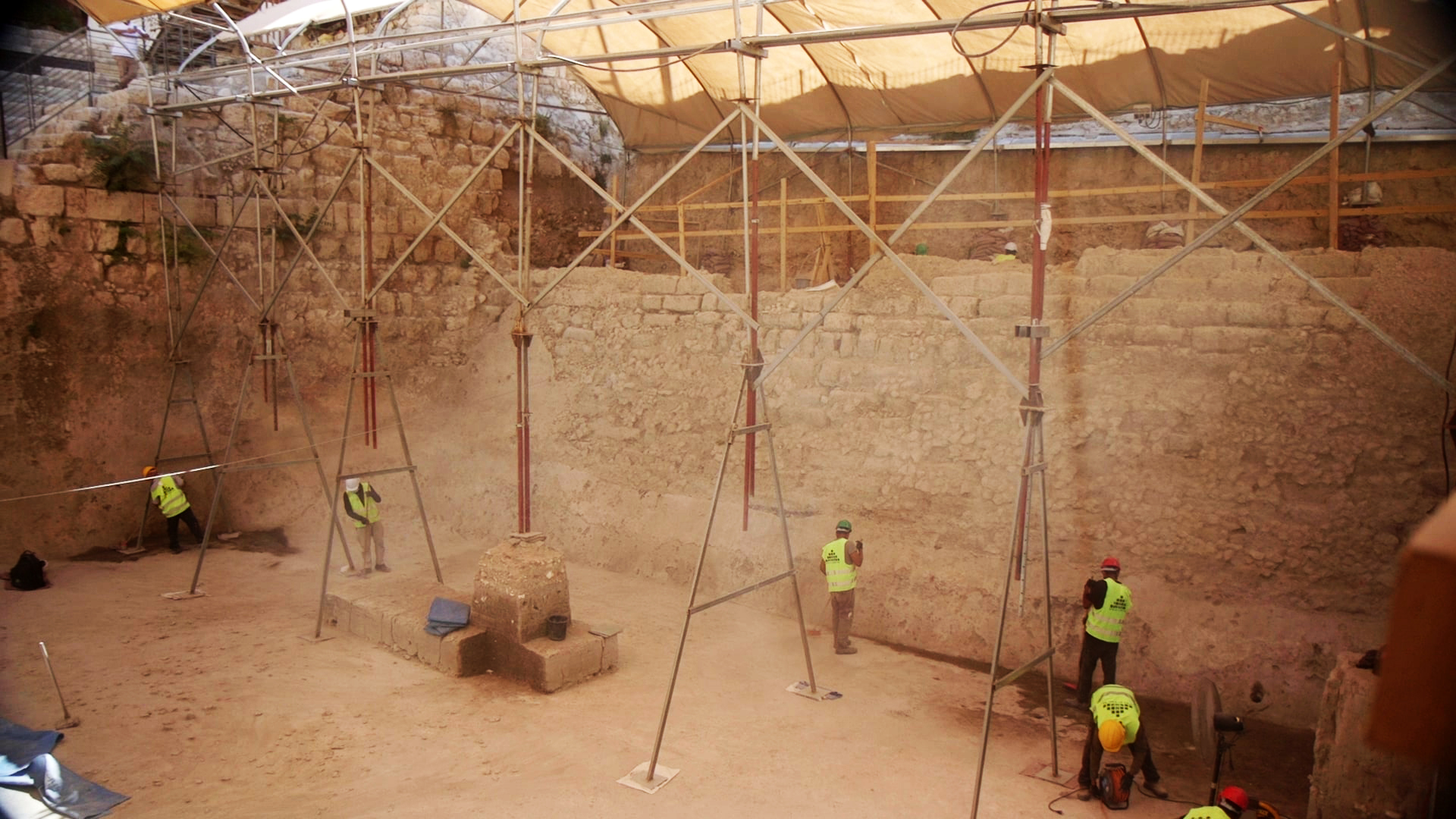
The team excavating the Pool of Siloam has finally published their long-awaited findings, revealing that they discovered a monumental dam wall dating to between 805 and 795 BC, during the reign of Joash (Jehoash), king of Judah. A 69-foot (21 meter) section of the wall was exposed; it once stood 40 feet (12 meters) high and more than 26 feet (8 meters) wide. The wall was dated through carbon-14 tests done on two pieces of uncharred straw and a sample of charred twigs that were embedded in the wall. The results showed that the wall was constructed between 805 and 795 BC. The authors of this study cited a recent analysis dating the Gihon Spring fortifications to this same period. They also cite climate data obtained from Dead Sea core samples and stalagmites in the Soreq Cave near Beit Shemesh, which indicate this was a period of aridity with occasional flash floods. The authors of the study conclude, “The ruling establishment of Judah, led in around 800 BC by King Jehoash or his successor Amaziah, provided a solution to the unpredictable weather conditions and water shortage by building the Siloam Pool dam, both for catching the rainwater and storing the water surplus brought by Channel II.” In the Bible, King Joash is known to have engaged in massive building endeavors, such as his renovations to the Temple (2 Kgs 11:2–12:1–21;2 Chr 24:1–27).
Source: https://www.pnas.org/doi/10.1073/pnas.2510396122
1. Fragment of Assyrian Cuneiform Inscription Discovered in Jerusalem (Oct. 2025)

The Israel Antiquities Authority has announced the discovery in Jerusalem of a pottery sherd inscribed in Akkadian cuneiform, believed to be a request from the king of Assyria to the king of Judah for tribute. This is the first Assyrian inscription from the First Temple period discovered in Jerusalem. The sherd is about 1 inch (2.5 cm) in size and is approximately 2,700 years old, dating to the reign of Hezekiah, Manasseh, or Josiah, when Judah was a vassal state of Assyria. Petrographic analysis reveals that the sherd is composed of clay from the Tigris River basin in Mesopotamia, rather than local clay from the southern Levant. A preliminary translation suggests that the inscription concerns a delay in tribute due to the king of Assyria. One expert summarized the inscription as follows: “And here we actually have a direct letter signed with the seal of the king of Assyria addressed to the king of Judah saying to him, ‘Dear king of Judah, send the tribute quickly by the first of Av and if not the consequences will be severe.’” One possible biblical connection to this artifact appears in 2 Kings 18:7, which records that Hezekiah refused to pay tribute to Sennacherib, king of Assyria: “He rebelled against the king of Assyria and did not serve him.”
Source: https://www.iaa.org.il/en/page/news-index (See Rare Evidence for Royal Assyrian Court Communication to the King of Judah for the First Time in Jerusalem: An Assyrian Inscription from the First Temple Period Was Discovered, [Oct. 22, 2025])
Conclusion
These ten discoveries demonstrate the historical reliability of the Bible and illuminate the biblical world.
I enjoy comparing my top ten list to those compiled by others. So take some time to check out Gordon Govier’s list at Christianity Today and Todd Bolen’s list at BiblePlaces.com.
Finally, while these ten discoveries were the most significant, hundreds of discoveries each year also affirm and illuminate details in the biblical text in other ways. My friend and colleague, archaeologist Dr. Scott Stripling, has said, “After 150 years of archaeology in Israel, hundreds of synchronisms [connections] between the material culture and the biblical text have been established. At this point, it takes more faith to believe that the Bible is not true than to believe that it is true.”
 Bible Archaeology Report
Great work, Bryan!