
The new year kicked off in style with reports related to three biblical people (Hezekiah, Sennacherib, and Nebuchadnezzar) and a sacred place (the Temple Mount). Here were the top three reports in biblical archaeology in January 2026.
3. Exposed Wooden Beams from the First Temple Cause Outcry in Jerusalem
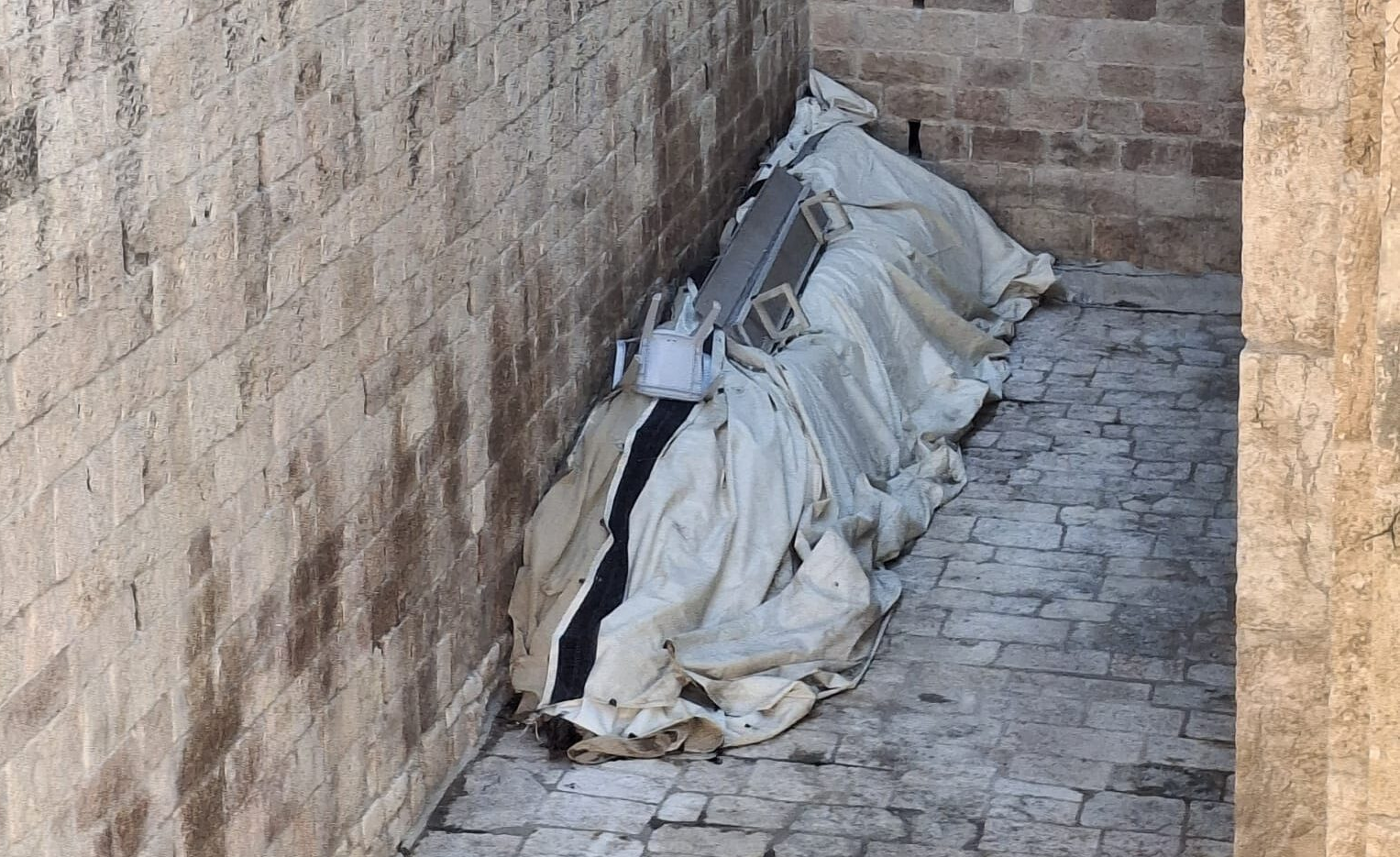
A group in Jerusalem has protested the exposure of ancient wooden beams that were likely once part of Solomon’s Temple. The beams, which had lain exposed to the elements on the Temple Mount, have now been covered to protect them from the winter rains. The beams were removed during renovations after the 1927 earthquake that damaged the Al-Aqsa Mosque. Carbon-14 tests revealed that some of the oak beams are 2,860 years old, while one cypress beam is 2,655 years old. Botanists have determined that other ancient beams are cedar from Lebanon. Some archaeologists believe these beams were once used in the First Jewish Temple and were later repurposed during the construction of the Al-Aqsa Mosque. The Bible records that, when Solomon set out to build the temple, he reached out to Hiram, king of Tyre, who “supplied Solomon with all the timber of cedar and cypress that he desired” (1 Kgs 5:10 ESV).
Source: https://israel365news.com/415157/
2. Two New Inscriptions of Nebuchadnezzar Published
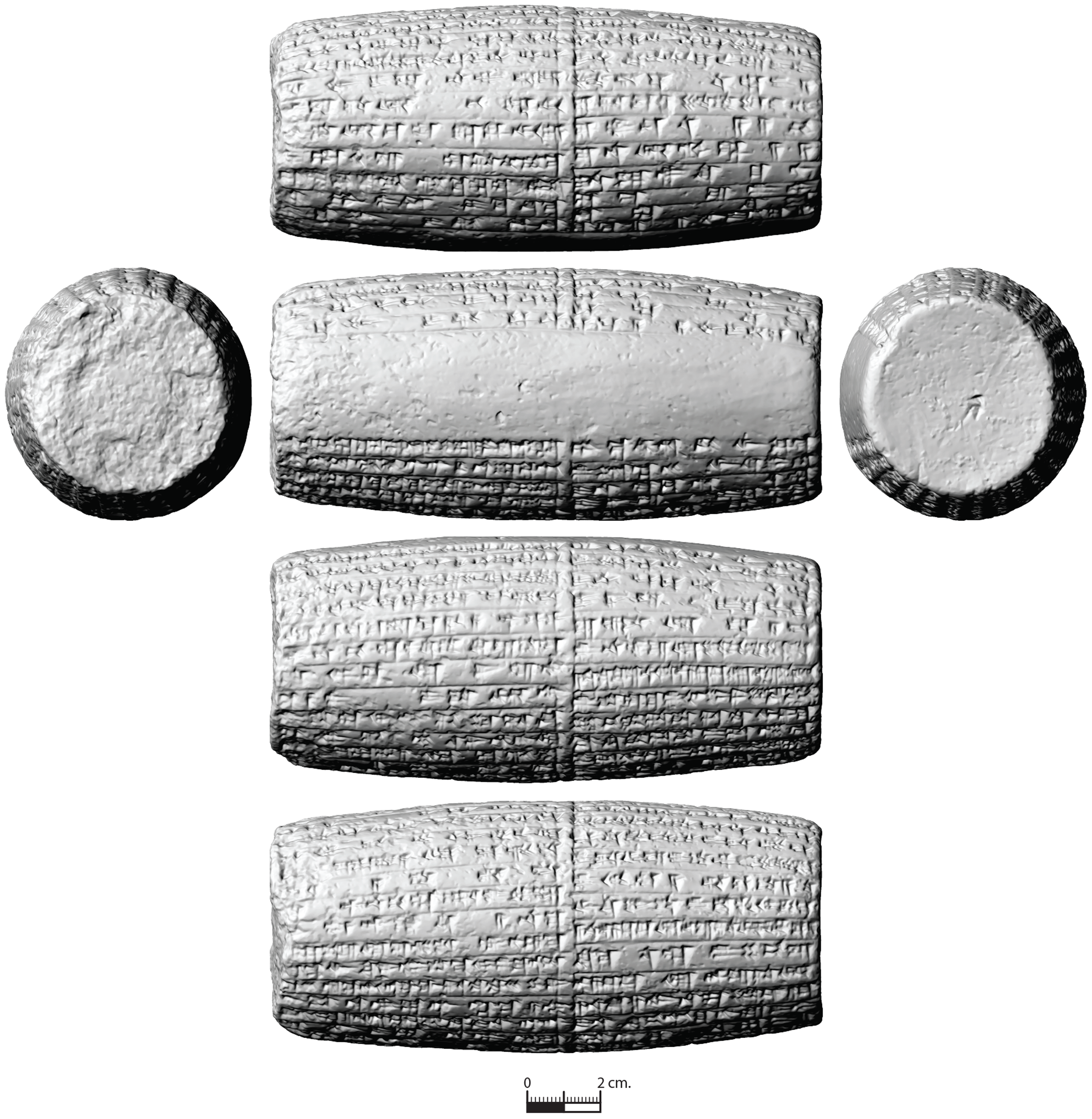
Two cuneiform-inscribed cylinders, discovered over a decade ago at Tell Al-Uhaimir, were recently published, and they detail Nebuchadnezzar’s restoration of the ziggurat of the city’s chief god of war, Zababa, and that of the goddess Ishtar. Tell Al-Uhaimir, the site of the ancient city of Kish, is located approximately 60 miles (97 km) south of Baghdad in modern-day Iraq. The two barrel-shaped cylinders, each approximately the size of a soda can, were discovered on the surface of the tell in 2013 by local residents, who turned them over to the authorities; the translations of their inscriptions were recently published in the journal Iraq. In the inscriptions, Nebuchadnezzar describes how he rebuilt a collapsed part of the temple of Zababa and “embellished its outward appearance and made (it shine) like the daylight.”
Source: https://doi.org/10.1017/irq.2025.10023
1. Scholar Proposes Sennacherib’s Reliefs Contain an Image of Hezekiah on the Walls of Jerusalem
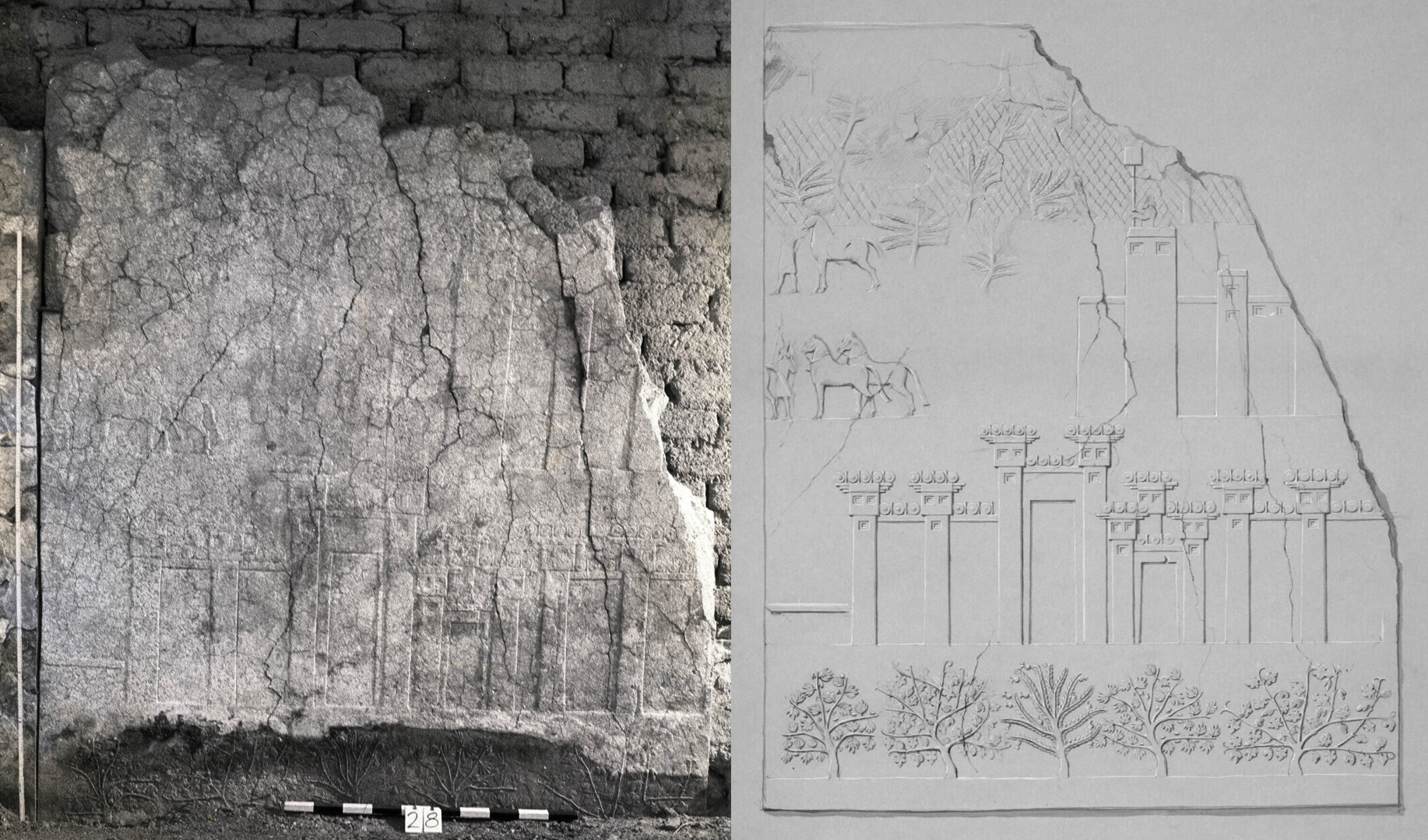
Researcher Stephen Compton recently published an article in the Journal of Near Eastern Studies, in which he proposes that one of the reliefs from Sennacherib’s throne room at Nineveh depicts the walls of Jerusalem and may include an image of Hezekiah standing atop them. The relief, known as Slab 28, was not one of the famous Lachish reliefs that are now housed in the British Museum. Although the slab was destroyed by ISIS in 2015–2016, photographs and a drawing by Austen Henry Layard survive, allowing scholars to continue studying it.
Compton argues that the reliefs on the throne room’s eastern wall depict Sennacherib’s victories over cities in Phoenicia, Philistia, and Judah. The panel in question shows a city that has not been breached, with a single person on a tower on the wall holding a standard. In an interview with the Times of Israel (see link below), Compton explains that the “towers go up, and support a room on top of the towers, that is wider than the tower base supporting the room, so it’s been corbelled out. There is a second level of supporting battlements atop the tower. So it’s twice corbelled.” He further notes that this distinctive wall construction also appears in the famous reliefs of the Judahite city of Lachish. Compton adds that the solitary figure on the wall is holding a standard, a symbol of royalty. This would be consistent with Sennacherib’s boast in his annals that he shut up Hezekiah in his royal city of Jerusalem like a bird in a cage. Of course, this is essentially a tacit admission that he did not capture Jerusalem, which is in accord with the biblical account (2 Kgs 19:34–36).
Stay Up-To-Date
Get the latest BREAKING NEWS in biblical archaeology each week here: https://biblearchaeology.org/current-events-list

 Bible Archaeology Report