
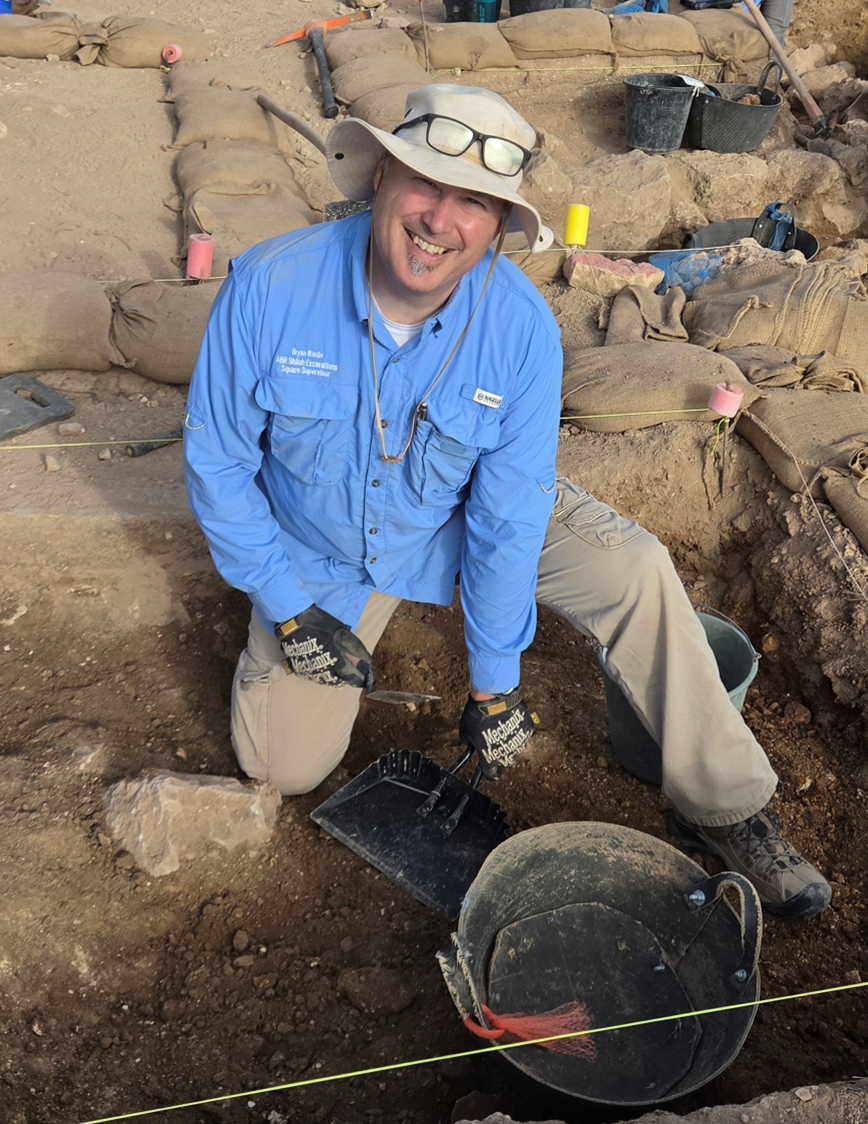
I recently returned from excavating at biblical Shiloh with the Associates for Biblical Research (ABR). While there, I served as a Square Supervisor and my wife served as the Wet-Sift Supervisor. This was ABR’s eighth season excavating at Shiloh, and we have learned much about the site through our work.
Shiloh is located 19 miles (31 km) north of Jerusalem, in the region of Judea and Samaria (also known as the West Bank). Shiloh is the place in the Promised Land that the Israelites set up the tabernacle after the initial conquest battles (Josh. 18:1). There the tabernacle stood there for over 300 years. Joshua allotted the territories to the tribes of Israel (Josh. 18:10) from Shiloh. It was at Shiloh that Eli, the priest ministered, and it is where Samuel, the prophet grew up (1 Sam. 1:1–28). This was the place the Israelites gathered for their great feasts. It was essentially the first capital city of ancient Israel.
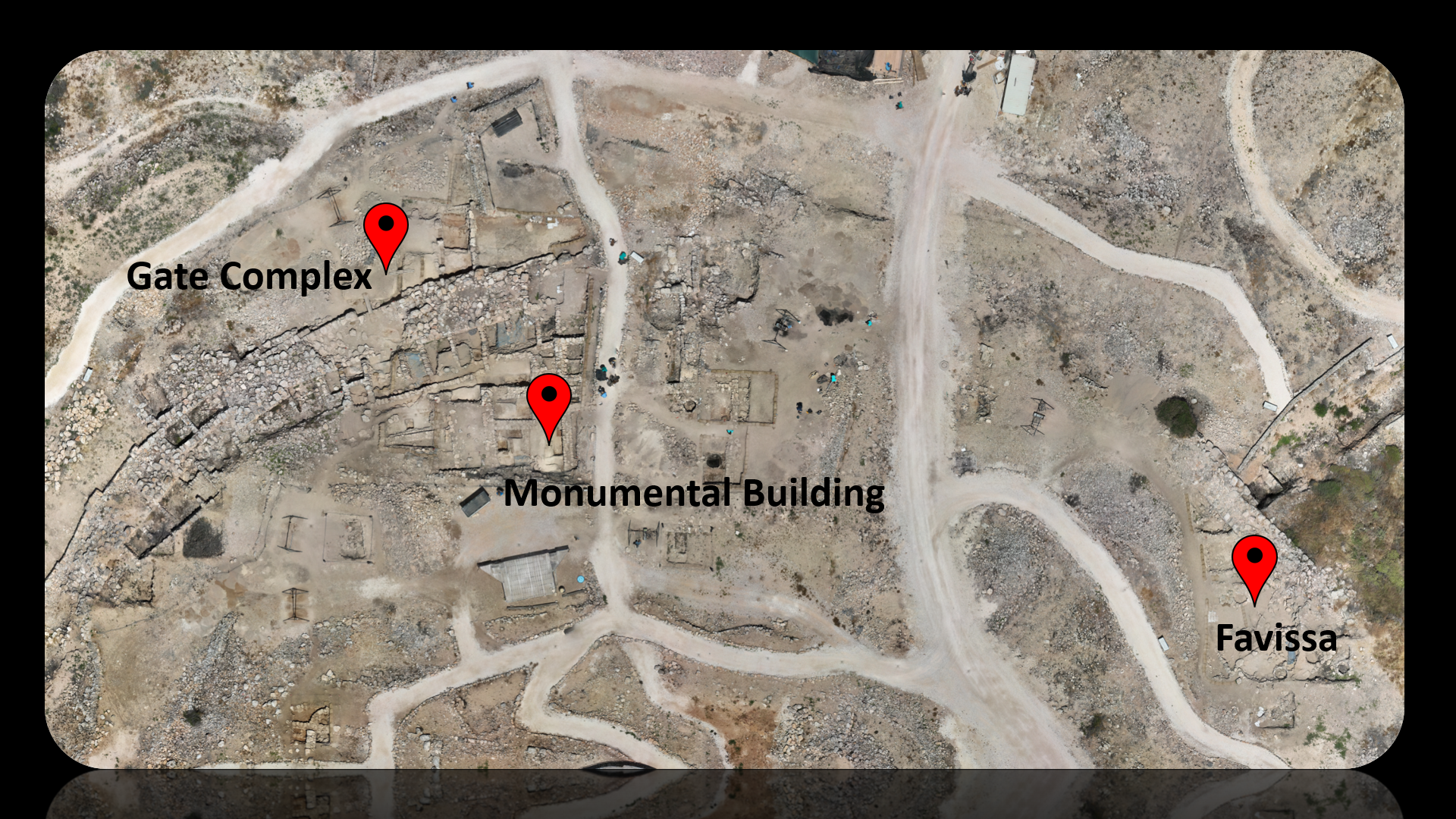
ABR excavates on the northern end of the site, and focuses on three key areas: the gate complex, the monumental structure, and Area D, the location of the favissa. This year’s excavations yielded three significant discoveries.
Three Canaanite Storage Jars Unearthed
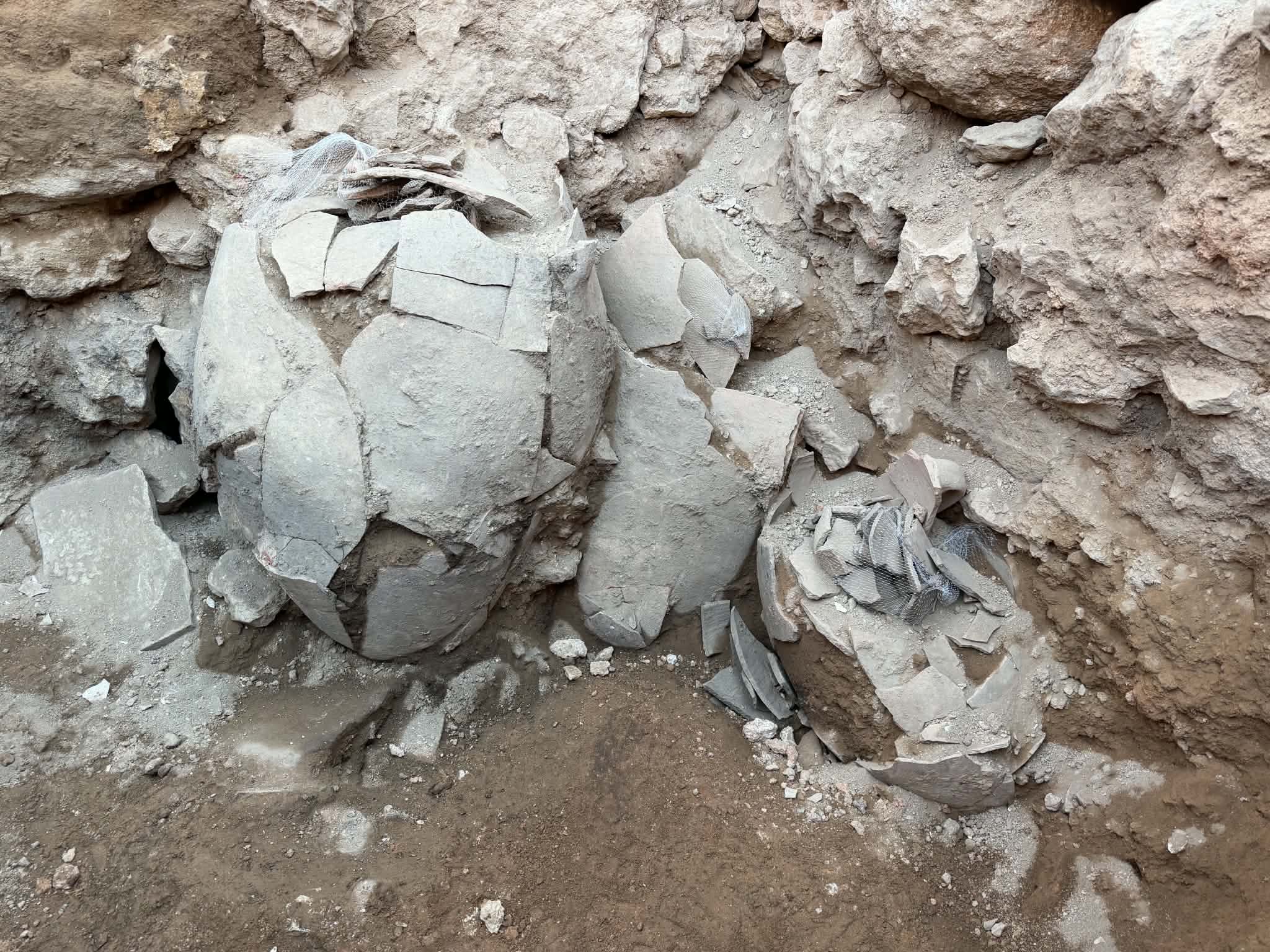
As excavators continued digging toward bedrock in Area D (the location of the favissa), the team discovered three Middle Bronze Age pithoi (large storage jars). These were found approximately 2 meters below the Late Bronze level, where the excavators came upon the remains of stones from the fortification wall above that had fallen on top of the jars. They also unearthed collapsed mudbrick at the level of the jars, implying that the mudbrick wall came down first, followed by the walls stones. Perhaps this was the result of an earthquake. The restorable vessels date to the Canaanite period, prior to the arrival of the Israelites in the Late Bronze Age.
The jars contained charred remains of common food staples: two held olives and the third contained wheat. ABR plans to conduct radiocarbon testing on the contents to establish a more precise date for the destruction layer associated with these finds.
“These discoveries provide an important window into the earliest occupational phases of Shiloh and help us better understand the site’s history before the Israelite settlement,” said Dig Director Dr. Scott Stripling.
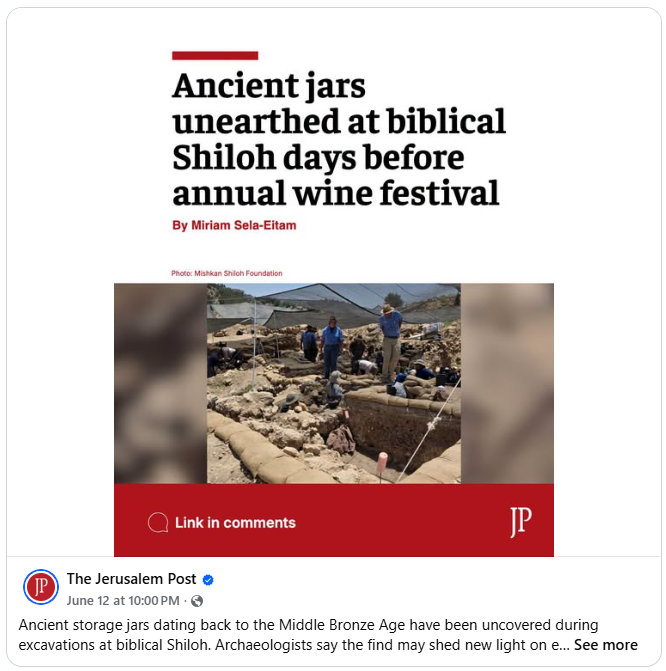
This discovery has already been reported in the Jerusalem Post and on MSN.
Monumental Structure Further Defined
ABR’s archaeologists also located the southern wall of the monumental building. This structure orients east-west and exhibits proportions similar to those described for the biblical tabernacle.
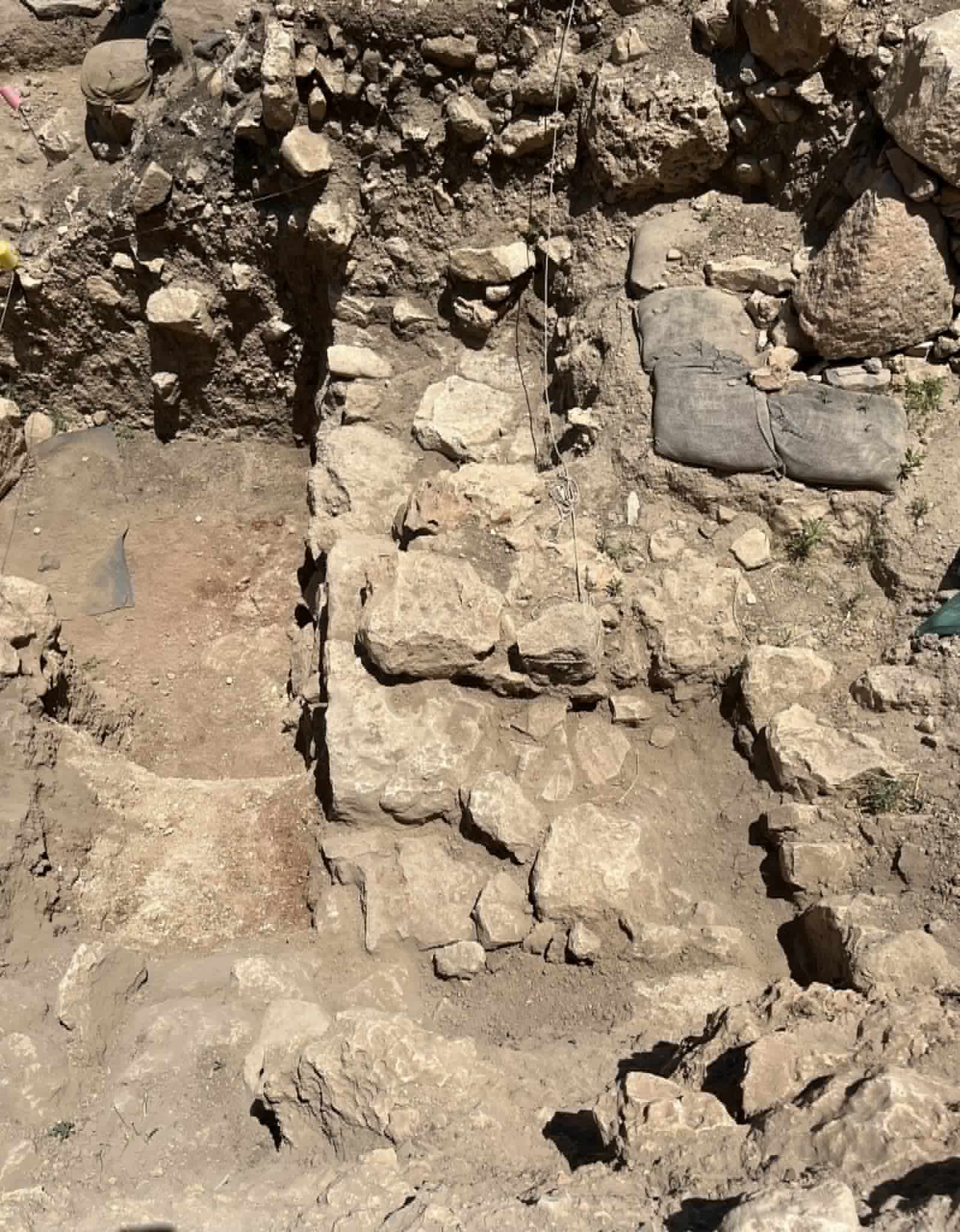
In recent years, ABR excavated numerous artifacts associated with worship activities in and around the structure, including altar horns, ceramic pomegranates, and murex shells, the source of the blue dye used in priestly garments. The discovery of the southern wall now enables ABR’s researchers to reconstruct the full dimensions of the building and better evaluate its function and significance.
New Discoveries in the Gate Complex
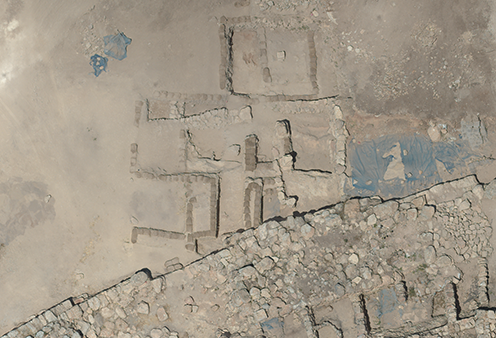
Excavations conducted in the gate complex during the 2026 season revealed additional walls belonging to Shiloh’s northern fortification system. These findings indicate that the complex was constructed as a bent-axis gate and contained multiple rooms, providing new insights into the site’s defensive architecture and urban planning.
Continuing Leadership in Biblical Archaeology
ABR leads some of the largest archaeological excavation teams working in Israel today. In 2026, 120 people joined the Shiloh excavation despite the ongoing regional tensions.
The organization also remains at the forefront of archaeological innovation, pioneering the use of wet-sifting methods and implementing advanced digital recording systems in the field. Ongoing excavations at Shiloh continue to shed light on the Israelite occupation of the site during the period described in the biblical record.
For more information about ABR and its archaeological initiatives, visit BibleArchaeology.org. To join us on next year’s dig, visit DigShiloh.org.

