
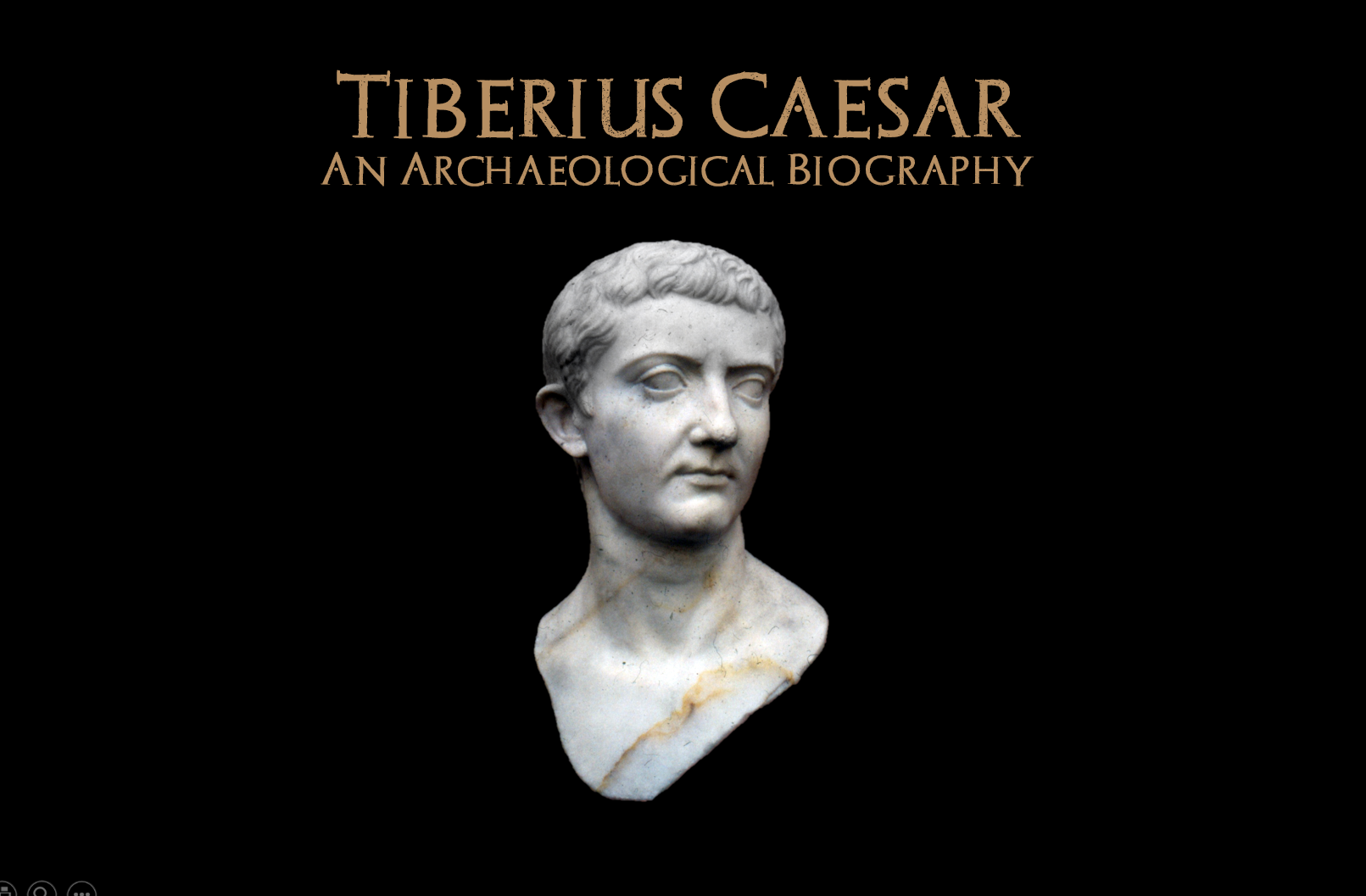
In the fifteenth year of the reign of Tiberius Caesar, Pontius Pilate being governor of Judea, and Herod being tetrarch of Galilee, and his brother Philip tetrarch of the region of Ituraea and Trachonitis, and Lysanias tetrarch of Abilene, during the high priesthood of Annas and Caiaphas, the word of God came to John the son of Zechariah in the wilderness. (Luke 3:1–2)
Young Tiberius
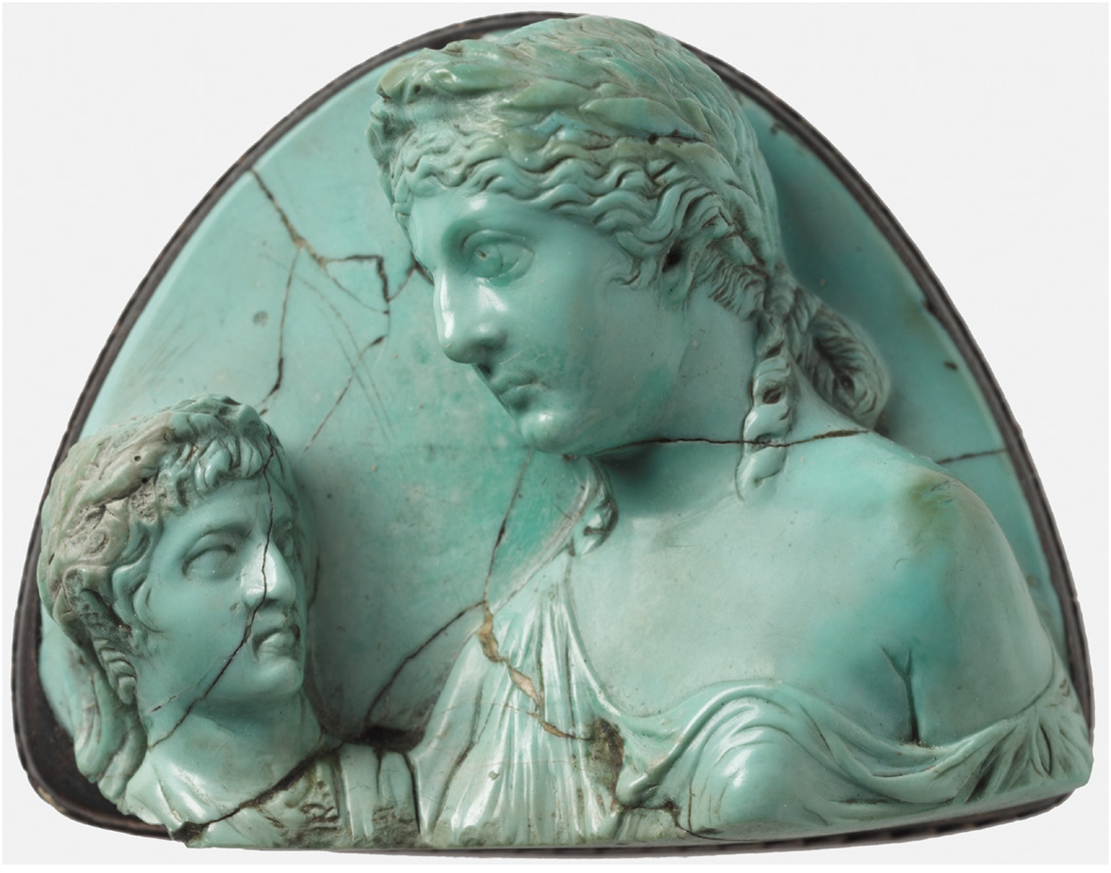
Tiberius Caesar was born Tiberius Claudius Nero, the son of Tiberius Claudius Nero and Livia Drusilla. Suetonius records that Caesar Augustus divorced Scribonia, his first wife and “took Livia Drusilla [Tiberius’ mother] from her husband Tiberius Nero, although she was with child at the time; and he loved and esteemed her to the end without a rival.”1 Thus, young Tiberius was adopted by Caesar Augustus.
As a young man of about 22 years old, he entered military service as a tribune in a campaign led against the Cantabrians, located in the northern mountains of modern-day Spain. He proved an adept military officer and next commanded the Roman army in a successful campaign against the Armenians. This was the first of many victories, such that, when he returned to Rome, “he entered the city both in an ovation and riding in a chariot, having previously, as some think, been honored with the triumphal regalia, a new kind of distinction never before conferred upon anyone.”2 Suetonius further records that Tiberius “entered upon the offices of quaestor, praetor, and consul before the usual age, and held them almost without an interval, then after a time he was made consul again, at the same time receiving the tribunicial power for five years.”3
Tiberius married Agrippina, the daughter of the famous general Marcus Agrippa, and granddaughter of Caecilius Atticus, a close friend of Cicero’s.4 While he was happy in his marriage to Agrippina, Augustus forced him to divorce her and marry Julia, one of Augustus’ daughters. Suetonius records, “With Julia he lived in harmony at first, and returned her love; but he soon grew cold, and went so far as to cease to live with her at all.”5
The Accession of Tiberius
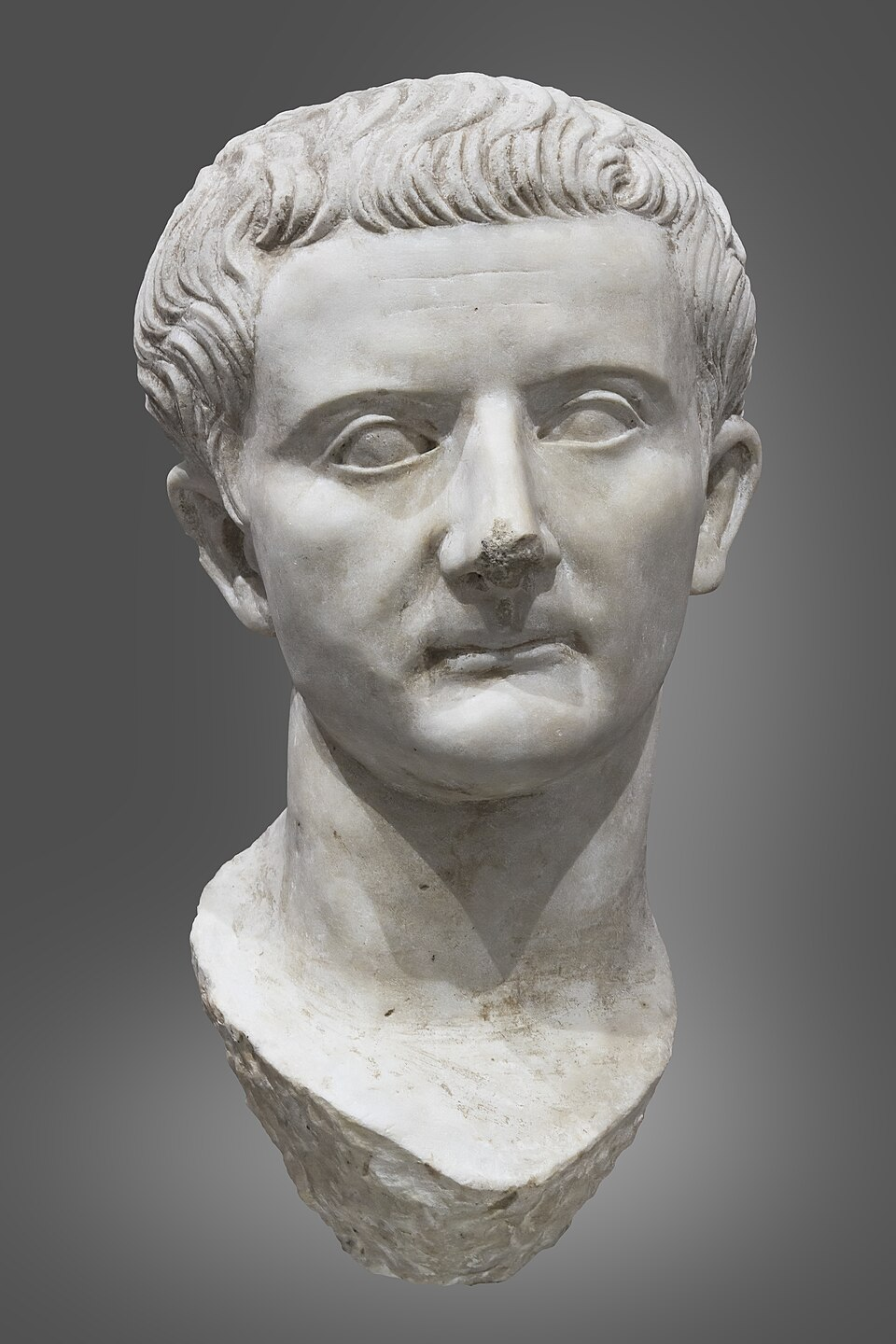
As Caesar Augustus grew older, he began to plan for succession, as he had no natural male heir. Tacitus records that Augustus went through multiple successors before choosing Tiberius. He first chose his nephew Claudius Marcellus, but he died suddenly. Next, he chose Marcus Agrippa, his trusted general, who also died. Augustus had previously adopted Agrippa’s sons Gaius and Lucius, but both of these men died in turn as well. Through the urging of Livia, Augustus made Tiberius his successor.6
Velleius Paterculus records that, upon the death of Augustus, the Senate and populace urged Tiberius to accept the position of Caesar, but that he initially “strove for permission to play the part of a citizen on a parity with the rest rather than that of an emperor over all.”7 Whether this initial reticence was sincere or false humility designed to increase the people’s desire for him is debated today. Eventually, Tiberius became the emperor of Rome.
Tiberius Caesar
Tiberius’ reputation as an emperor is colored by the rather negative portrayals left by Suetonius and Tacitus. Tacitus described him this way: “Tiberius Nero was mature in years and tried in war, but had the old, inbred arrogance of the Claudian family, and hints of cruelty, strive as he would to repress them, kept breaking out.”8 Suetonius describes Tiberius’ life of debauchery at his luxurious villa on the island of Capri. Both of these writers, however, wrote much later, and may have incorporated salacious legends into their work.9
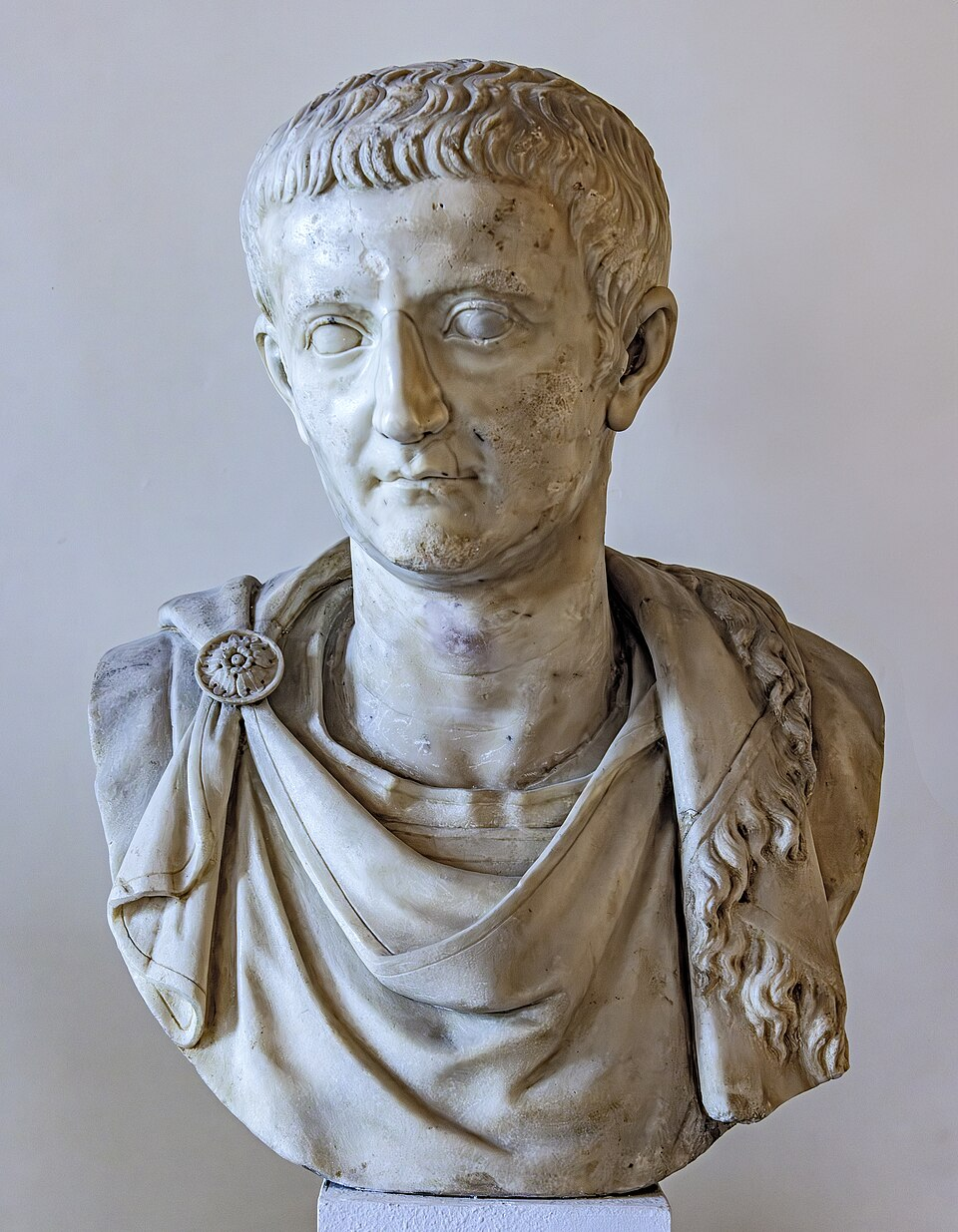
Velleius Paterculus, who served under Tiberius and who wrote during his reign, is much more positive in his assessment of Tiberius’ rule:
Strife has been banished from the forum…discord from the senate-house; justice, equity, and industry, long buried in oblivion, have been restored to the state; the magistrates have regained their authority, the senate its majesty, the courts their dignity; rioting in the theatre has been suppressed; all citizens have either been impressed with the wish to do right, or have been forced to do so by necessity.10
Historian and author, Lindsay Powell, wrote the following of his research for his biography of Tiberius: “The Tiberius who emerged from my deep-dive research was far more interesting than the parody portrayed in many history books, documentaries and dramas. Of course he was flawed (he was a human being), but much of what passes today as Tiberius’ story is exaggerated or simply untrue.”11
Tiberius’ Palace and Villa
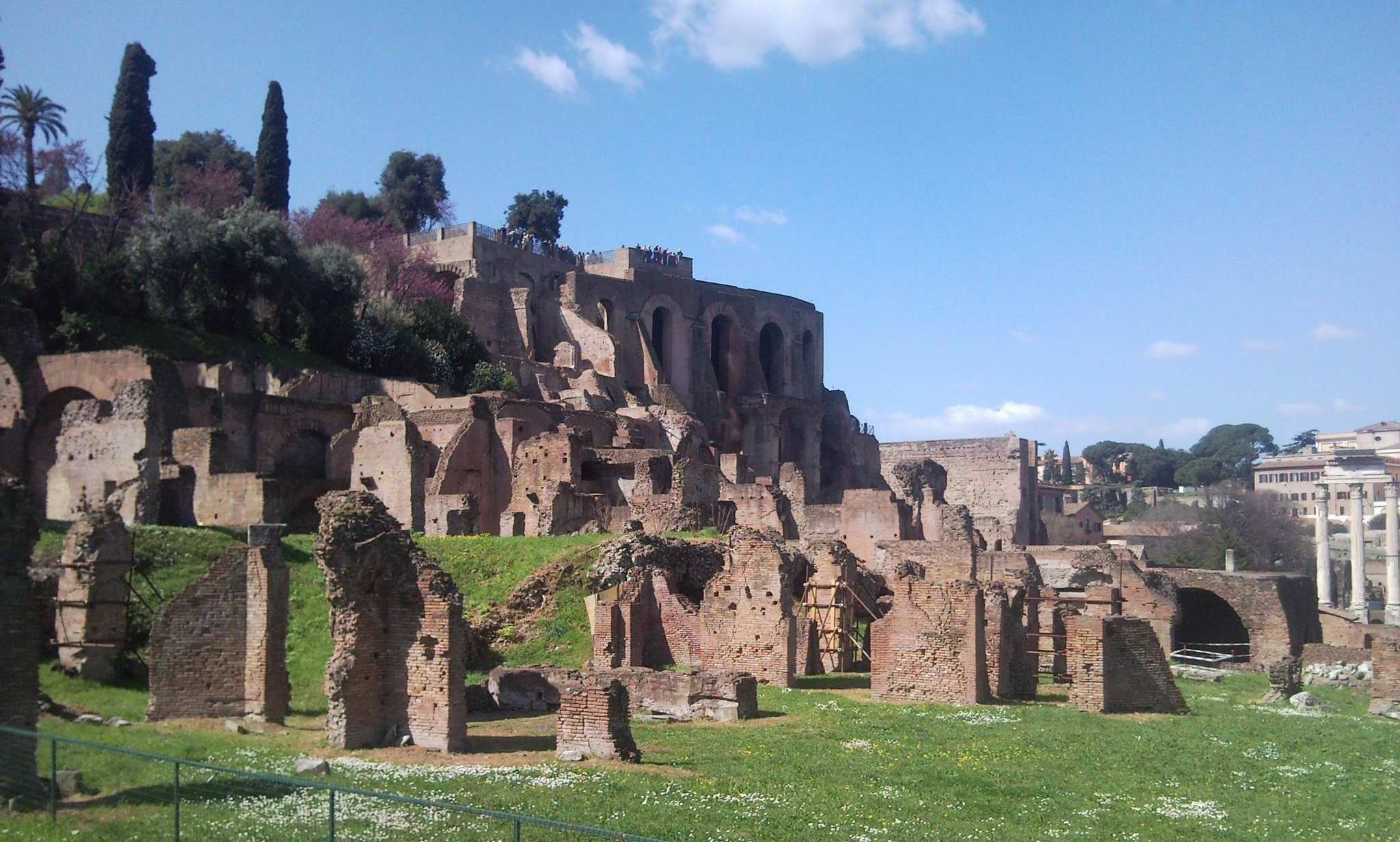
Tiberius constructed his palace, known as the Domus Tiberiana, on the Palatine Hill in Rome. This was used and renovated by later emperors, including Caligula, Claudius, Nero and Hadrian. The complex included a residential area, expansive gardens, temples and shrines, service quarters, and barracks for the Praetorian Guard who protected the emperor.
In 2013, archaeologists with the Domus Tiberiana Project began new excavations at the site. They concluded that the surviving architecture is predominantly from the time of Nero and Hadrian, who built over the Tiberian structures.12
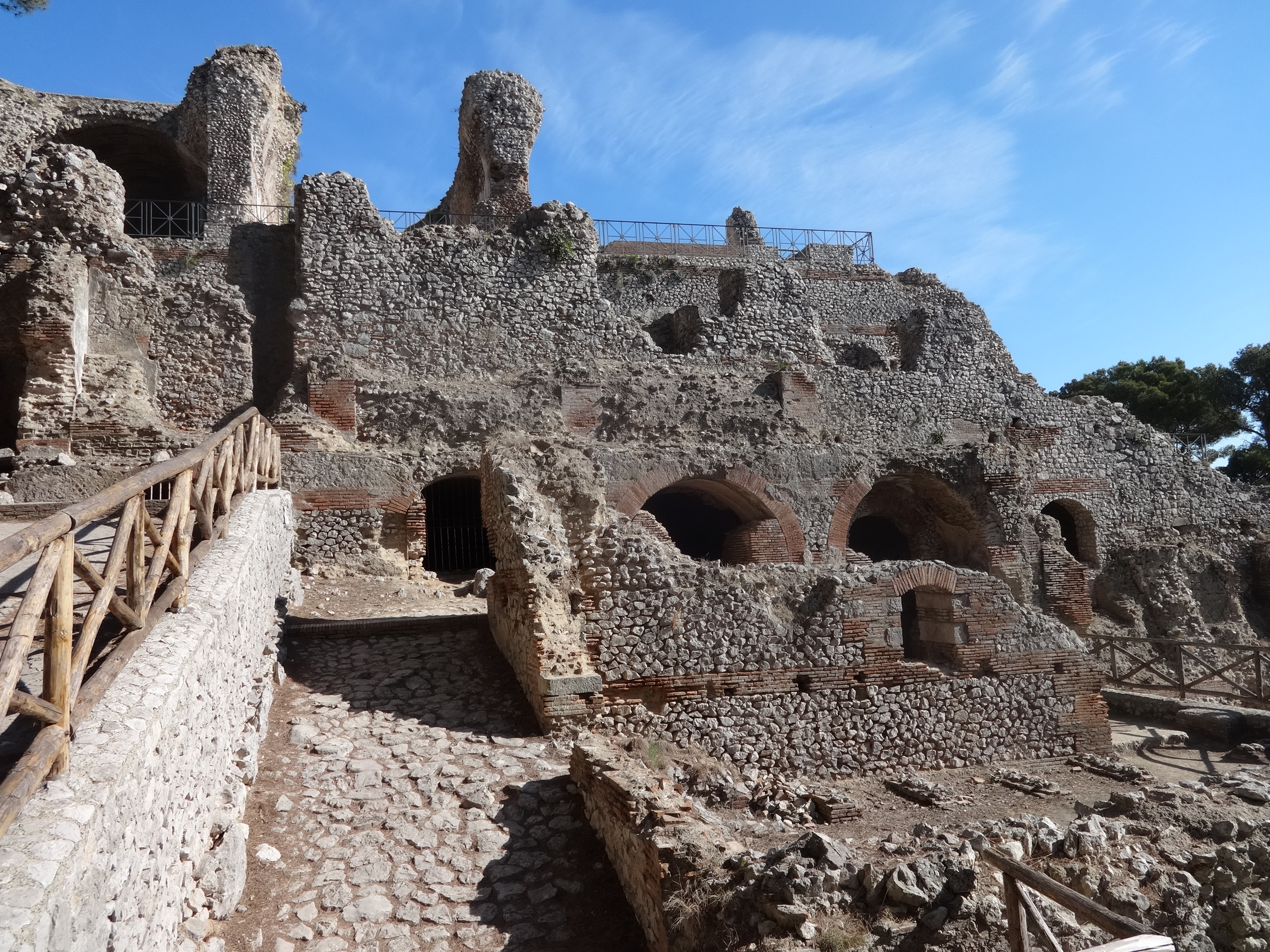
Tiberius also constructed a residence, known as the Villa Jovis (lit. Villa of Jupiter), on the island of Capri. He preferred to rule from this estate rather than from Rome for most of the final ten years of his reign. The Villa Jovis itself was about a third the size of the Domus Tiberiana in Rome, but was still extensive, as evidenced by the presence of a dozen stoves and a baker’s oven in the kitchen. Clearly, these were designed to feed a large number of people.13
The Sejanus Affair
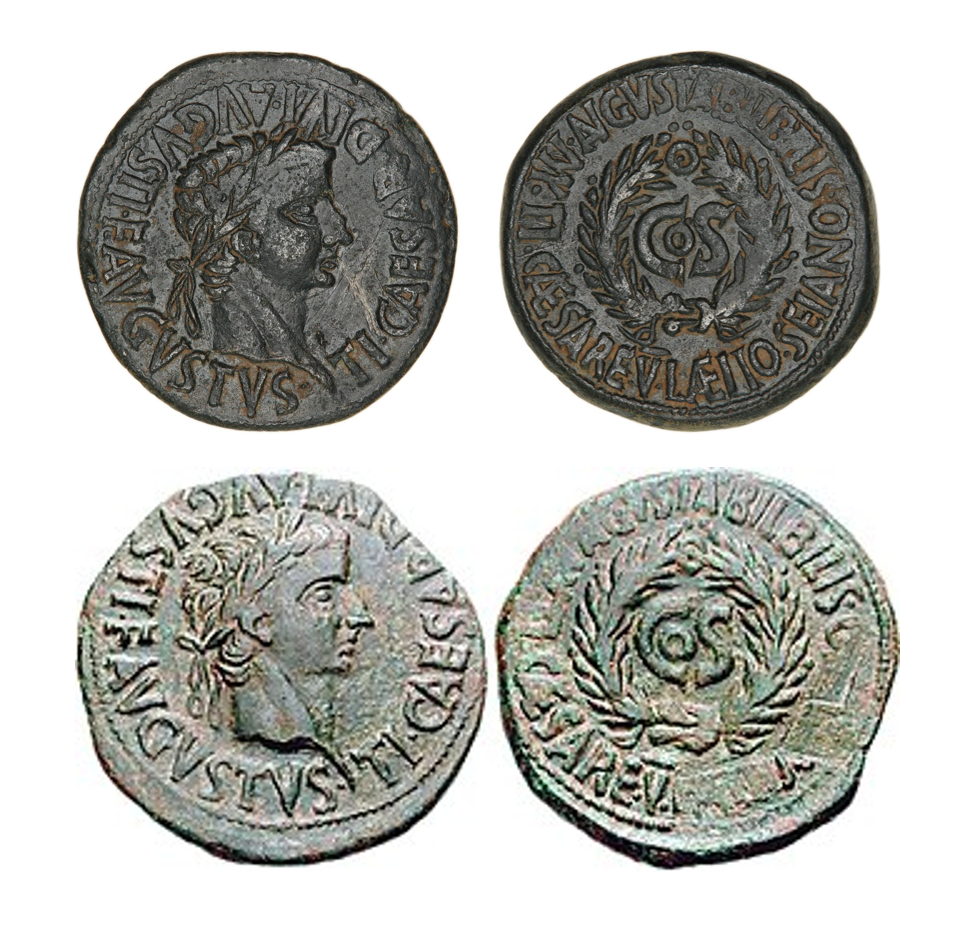
When Tiberius permanently left Rome for his villa at Capri in AD 26, he left affairs in the hands of his trusted representative Lucius Aelius Sejanus. As the years passed, Sejanus consolidated his power in Rome, and people began to see him as an equal with Tiberius. Cassius Dio notes that the Romans began to celebrate his birthday publicly, as they did Tiberius’, and that envoys were sent both to Sejanus and to Tiberius.14 He goes on to record:
Now Sejanus was growing greater and more formidable all the time, so that the senators and the rest looked up to him as if he were actually emperor and held Tiberius in slight esteem. When Tiberius learned this, he did not treat the matter lightly or disregard it, since he feared they might declare his rival emperor outright.15
Tacitus plainly states that Sejanus “he strove to seize the empire.”16
As a result, Tiberius had Sejanus killed, and then proceeded to punish those whom he perceived had supported Sejanus in his rebellion.

The death of Sejanus and the ensuing fallout may explain the seeming change in Pontius Pilate’s behavior. Pilate was known to be inflexible and cruel, especially when dealing with the Jewish people he oversaw as governor of Judea. However, when the Jewish leaders demanded that Jesus be crucified, saying “If you release this man, you are not Caesar’s friend” (Jn 19:12), Pilate “delivered him over to them to be crucified” (Jn 19:16).
Pilate’s appointment as governor of Judea in AD 26 coincides precisely with Tiberius’ withdrawal from Rome and Sejanus’ rise in power. Perhaps Sejanus influenced Pilate’s appointment. After Sejanus died in AD 31, being accused of disloyalty to Caesar likely carried significant consequences, and Pilate seems to have become more cautious by AD 33 when he sentenced Jesus to death.
The Denarius of Tiberius
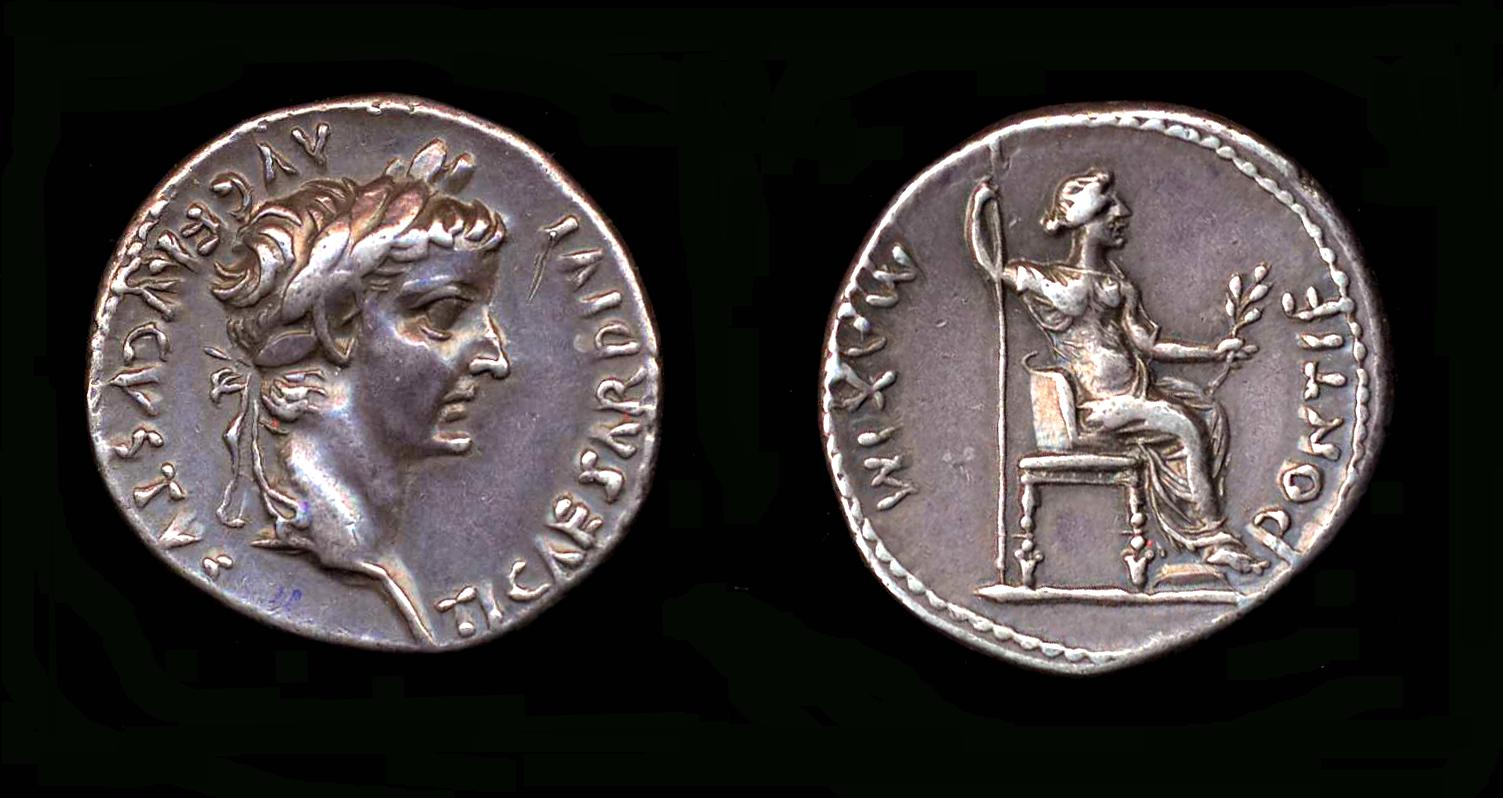
As emperor of Rome, Tiberius bore the title Pontifex Maximus, reflecting his role as Rome’s primary religious authority. His denarii carry the inscription “PONTIF MAXIM” as well as the phrase “TI CAESAR DIVI AVG F AVGVTVS” (“Tiberius Caesar Augustus, son of divine Augustus”).
This coin is widely believed to be the denarius Jesus referred to when he said, “Render to Caesar the things that are Caesar’s, and to God the things that are God’s” (Matt. 22:21). Since Jesus ministered during the reign of Tiberius (Luke 3:1), it was likely a denarius of Tiberius that Jesus used as an object lesson. This coin’s inscription presents a striking irony: Jesus, the Son of God, asks to see a coin proclaiming Tiberius to be the “son of the divine Augustus. Jesus’ response to render to Caesar the things that are Caesar’s and to God the things that are God’s implicitly questions Caesar’s authority and divinity by directly attributing ultimate authority and divinity to God.
The “Fifteenth Year of the Reign of Tiberius Caesar”
Tiberius is only named directly once in the Bible (Luke 3:1), where the fifteenth year of his reign is a chronological marker, signalling the beginning of the ministries of John the Baptist and Jesus.17 This, combined with the note that Jesus was about thirty years of age when he began his ministry (Lk 3:23), leads biblical scholars to debate whether Luke reckoned Tiberius’ reign from the beginning of Tiberius’ sole reign in AD 14 after Augustus died or from AD 12, when Augustus granted Tiberius joint authority over the provinces. This question significantly affects the dating of Jesus’ ministry.18
Numerous ancient writers describe the regnal years of Tiberius, including Roman sources (Tacitus, Suetonius, Cassius Dio), Jewish sources (Josephus & Philo), and Christian sources (Clement and Tertullian). Andrew Steinmann reviews each of these and notes, “These are all unanimous in reckoning Tiberius’s reign after Augustus’s death.”19
Numismatic evidence from Imperial Roman coins also demonstrates Tiberius was never depicted as joint ruler with Augustus and never accorded titles reserved for an emperor, such as Pontifex Maximus, until after Augustus died in AD 14.20
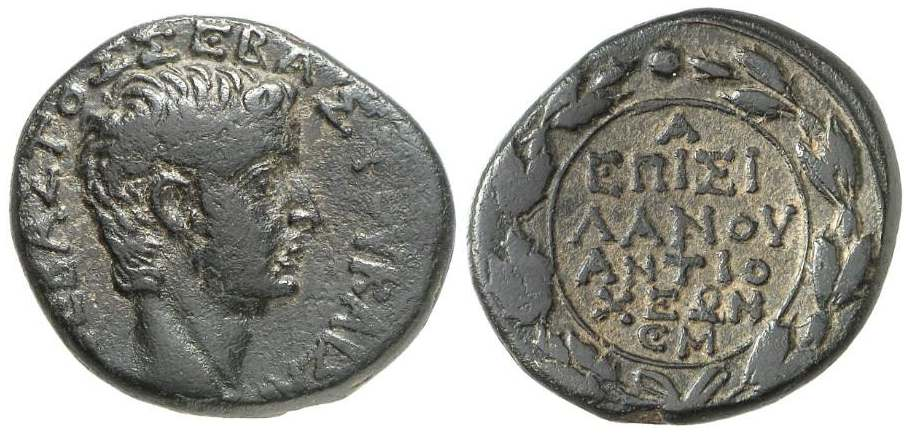
In addition, there is an important provincial coin of Tiberius, issued at Syrian Antioch, which bears the inscription, “Α ΕΠΙ ΣΙΛΑΝΟΥ ΑΝΤΙΟΧΕΩΝ ƐΜ” (“[year] one, under the authority of Silanus of Antioch, [year] forty-five”). Steinmann notes, “The dual dating of this coin enables a synchronisation of Tiberius’s reign with a known year. This coin was issued in Tiberius’s first year, which was also the forty-fifth Actian year, 2 September AD 14 to 1 September AD 15. It exhibits non-inclusive reckoning for Tiberius’s reign, commencing his first year on 2 September AD 14 following the death of Augustus on the previous 19 August.”21
Given that Tiberius’ rule was almost universally reckoned from the beginning of his sole reign in AD 14 following Augustus’ death, it is most likely that Luke intended his readers to understand that Jesus’ baptism and the beginning of his ministry occurred in the year we now designate AD 29.
Conclusion
The reign of Tiberius Caesar provides the political backdrop to the life and ministry of Jesus. Tiberius died in AD 37 at the age of seventy-seven, having ruled as emperor of Rome for almost twenty-three years. Although his early reign was marked by capable governance, his withdrawal from Rome and the political crisis surrounding Sejanus left him with a reputation for suspicion and severity in the writings of ancient historians. He was succeeded by his adopted grandson, Gaius, known better by his nickname “Caligula” (little boot), who became the third emperor of Rome.
Cover: Head of Tiberius in Ny Carlsberg Glyptotek, Copenhagen. Photo: Wikimedia Commons / Public Domain
Endnotes:
1 Suetonius, Augustus 62.
2 Suetonius, Tiberius, 9.
3 Suetonius, Tiberius, 9.
4 Suetonius, Tiberius, 7.
5 Suetonius, Tiberius, 7.
6 Tacitus, Annals, 1.3
7 Velleius Paterculus, Roman History 2.124.2
8 Tacitus, Annals, 1.4.
9 Suetonius, Tiberius, 43–45.
10 Velleius Paterculus, Roman History 2.126.2
11 Lindsay Powell, “Tiberius: 2,000 Years of Slander.” Historia, 25 June 2025. https://historiamag.com/tiberius-2000-years-slander/ (Accessed July 23, 2026).
12 Mirella Serlorenzi, Fulvio Coletti, Lino Traini, and Stefano Camporeale. “Il Progetto Domus Tiberiana (Roma). Gli approvvigionamenti di laterizi per i cantieri adrianei lungo la Nova Via.” Arqueología de la Arquitectura 13 (2016), 2–4.
13 George W. Houston, Tiberius on Capri. Greece and Rome 32.2 (1985), 180.
14 Cassius Dio, Roman History 58.2.7–8.
15 Cassius Dio, Roman History 58.4.1.
16 Tacitus, Annals, 4.1.
17 The gospel of John indirectly refers to Tiberius through the city of Tiberias (Jn 6:23) and the Sea of Tiberias (Jn 21:1). Herod Antipas built the city of Tiberias along the Sea of Galilee and named it after the emperor Tiberius (Josephus, Antiquities 18.36). As the city grew in prominence, the Sea of Galilee was sometimes called the Sea of Tiberias. These references demonstrate Tiberius’ influence in the region during the period of Jesus’ ministry.
18 A full analysis of the chronology of Jesus’ birth, life, death, and resurrection is beyond the scope of this article. For those interested in exploring this issue, I recommend Andrew E. Steinmann’s book, From Abraham to Paul: A Biblical Chronology (Concordia, 2024).
19 Andrew E. Steinmann, “Reckoning Tiberius’s Reign and Jesus’s Baptism: First- and Second-Century Evidence Concerning Tiberius’s Fifteenth Year (Luke 3:1).” Tyndale Bulletin 73, no. 1 (2022), 105.
20 Steinman, 106–109.
21 Steinmann, 111.

