
This past month, news reports from the world of biblical archaeology included stories about international trade on the Mediterranean, a bridge in Rome, and a Galilean fishing village. These were the top three reports for August 2026.
3. 2,100-Year-Old Shipwreck Discovered near Sicily
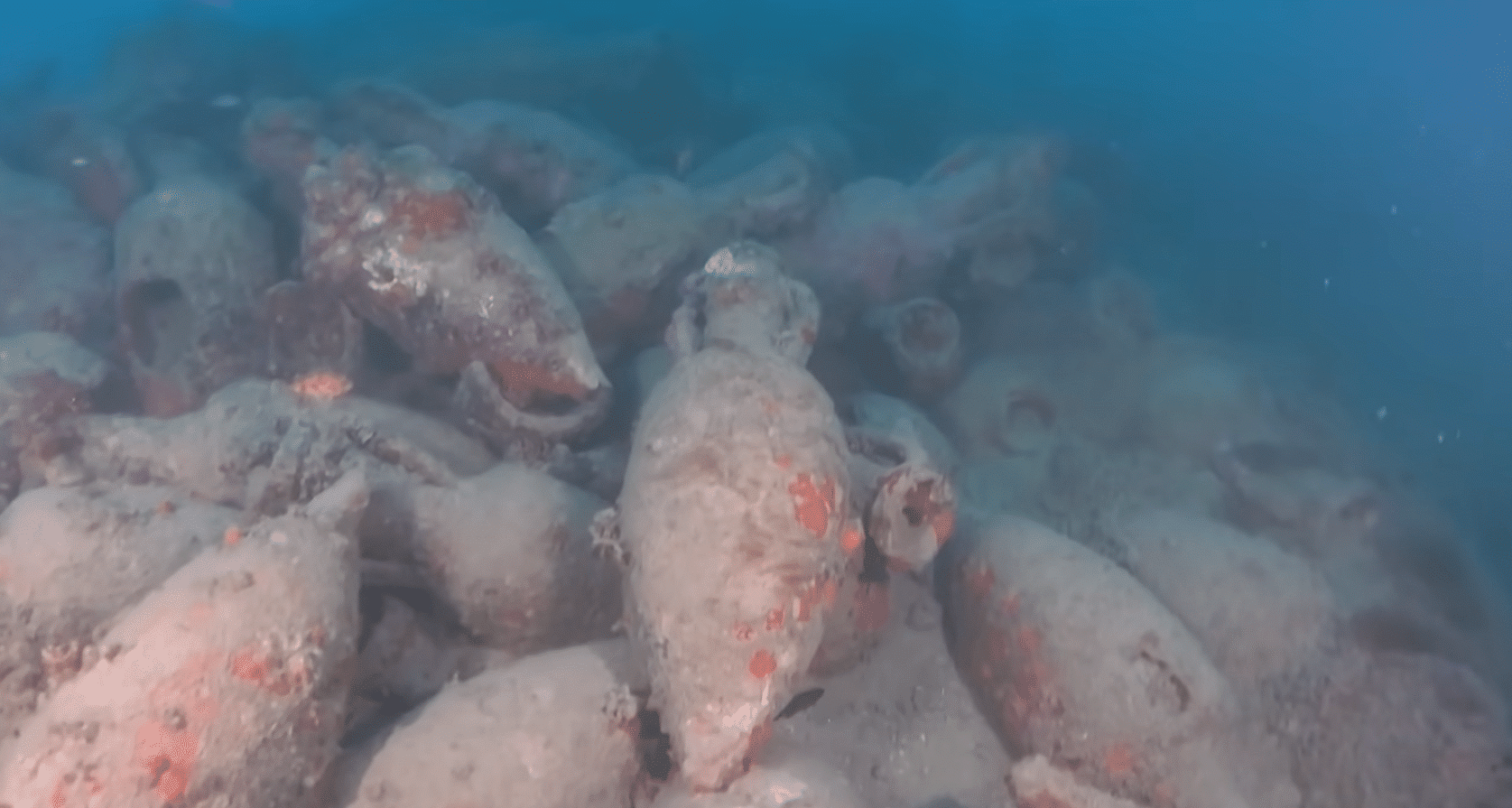
A Roman shipwreck dating back over two millennia has been discovered 3 miles (4.8 km) off the coast of Sicily. A fisherman discovered the wreck after diving to investigate something that appeared to be a large rock on his scanner. Instead, he found the remains of a Roman ship and approximately 500 amphorae (narrow-necked, two-handled ceramic jars). The ship measures 69 feet (21 m) long by 20 feet (6 m) wide and lay in 151 feet (46 m) of water. Marine archaeologists determined that the ship carried Dressel 1A amphorae, which were commonly used to transport wine during the second and first centuries BC. Scholars believe the discovery will provide insights into Mediterranean trade routes and commercial networks during the late Roman Republic.
2. Bridge Built by Caligula Exposed in Tiber River
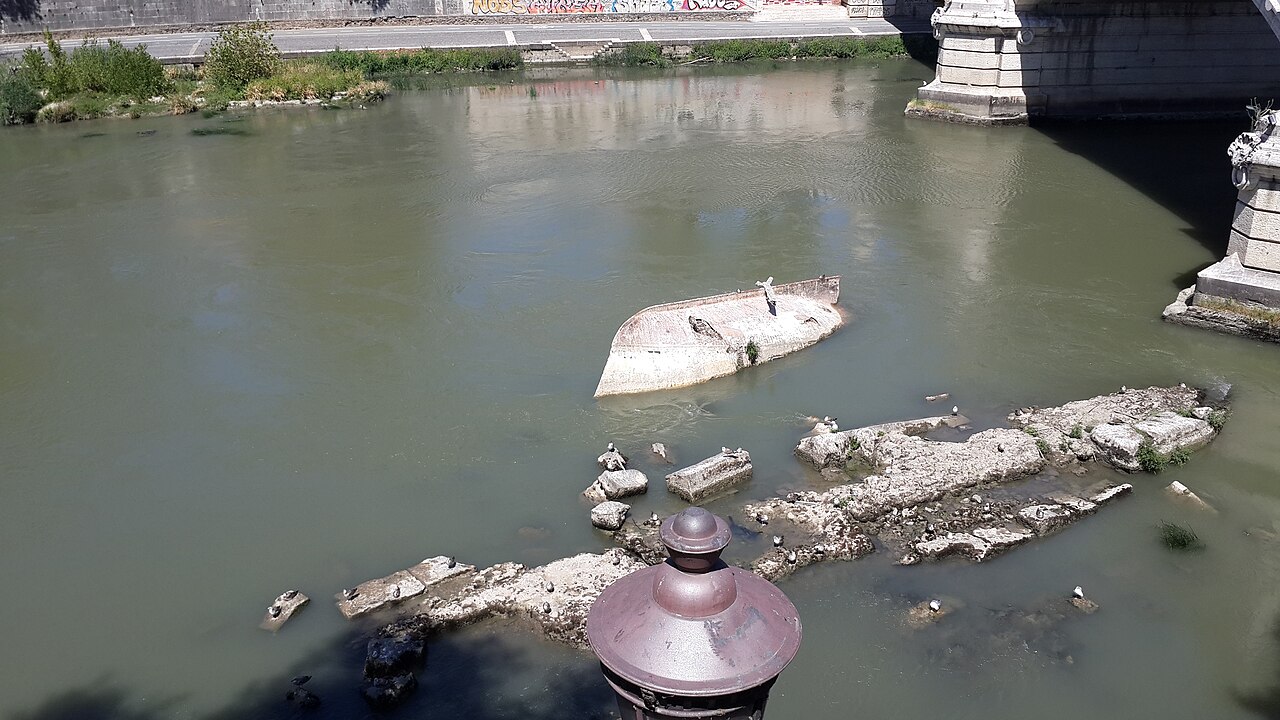
Falling water levels due to a lack of rain have exposed an ancient Roman bridge in the Tiber River that once connected Rome’s city center to the right bank of the river. While the structure was once known as Nero’s Bridge, scholars believe it was actually built by Nero’s uncle, Emperor Caligula, as early as AD 39. Interestingly, there may be a biblical connection to this story. A stone inscription discovered in 1887 lists five men who served as commissioners of the Tiber River, likely charged with overseeing public infrastructure and maintenance associated with the river system. One of the men listed is Lucius Sergius Paullus, whom ABR staff member Bryan Windle believes to be the same Sergius Paulus who later became proconsul of Cyprus and was evangelized by the Apostle Paul in Acts 13 (see Bryan’s article below). Given the date of the bridge’s construction (ca. AD 39) and the date of the inscription (ca. AD 41–47), Sergius Paulus may have had responsibility for overseeing the bridge that was recently exposed in the Tiber River.
Source: https://apnews.com/article/italy-heat-neros-bridge-tiber-river-d42fbed89b54530bd5c381aa53a1884b
Bryan Windle’s article about the Tiber River Inscription: https://biblearchaeology.org/the-roman-tiber-river-inscription-and-the-cypriot-proconsul-sergius-paulus/
1. More First-Century Artifacts Discovered at el-Araj (Bethsaida?)
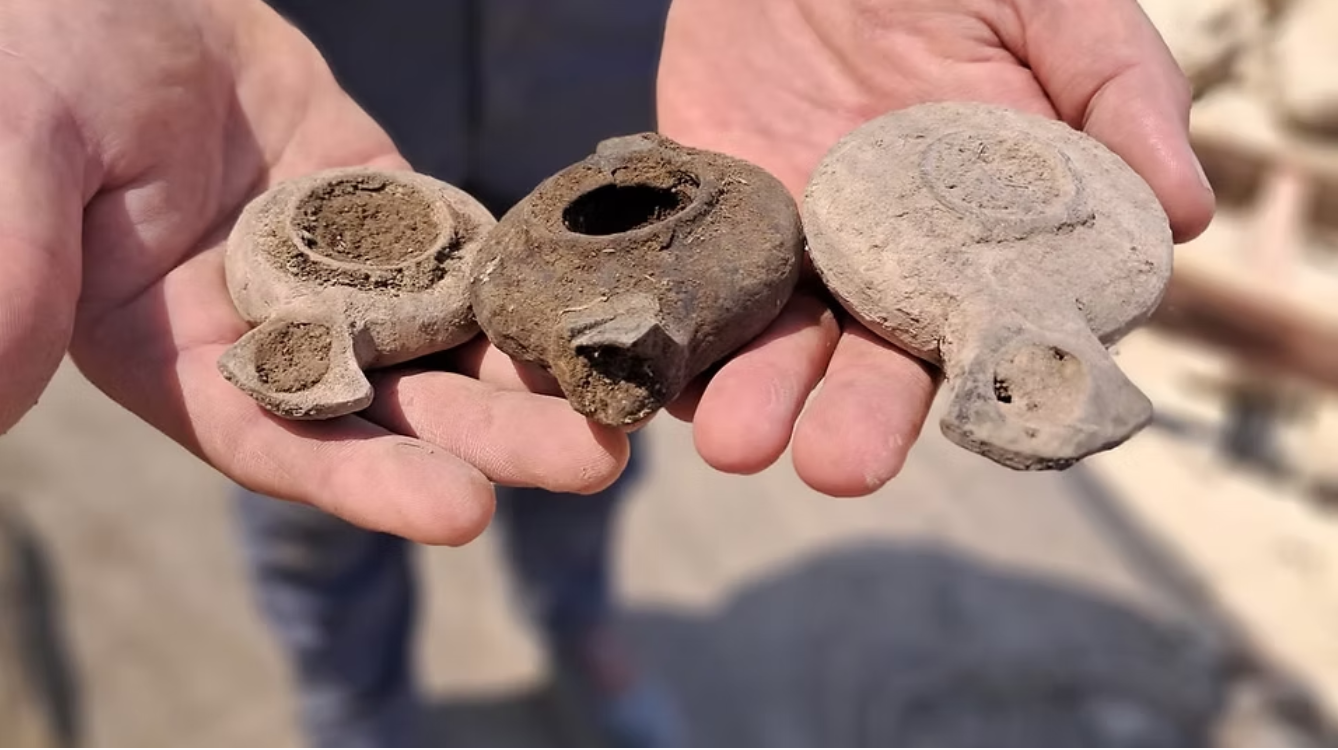
This summer, archaeologists continued unearthing early first-century AD artifacts at el-Araj, bolstering the site’s claim as the location of the lost New Testament town of Bethsaida. They reported finding a discus lamp and three intact Herodian lamps; the latter were only made in Jerusalem before AD 70. The team also unearthed pieces of chalkstone vessels in all excavation squares, as well as many fishing weights, indicating that fishing was an important industry at el-Araj in the first century. R. Steven Notley, the academic director of the El-Araj Excavation Project, further notes,
One should not jump to the conclusion that these were impoverished fishermen – as NT scholarship so often depicts them. At Bethsaida-Julias we have uncovered evidence of frescoed walls and beautiful glassware. . . .The results of this excavation will continue to challenge the oft-repeated mistaken notion in scholarship that Galilee and the north were a backwater of poor, illiterate peasants.The evidence of the Gospels is that Jesus and those who heard him were anything but illiterate, and the archaeological evidence indicates that the towns and villages where he travelled were thriving, even under Roman occupation.
Source: https://www.bethsaida-julias.com/post/season-10-s02-wo4-summary-the-final-week-of-excavations
Stay Up-To-Date
Get the latest BREAKING NEWS in biblical archaeology each week on ABR’s new website. Click here: https://biblearchaeology.org/category/breaking-news