Stories about a secret room in a Pharaoh’s Tomb, a ring, and a cache of Late Bronze Age cuneiform tablets dominated the news wire this past month. Here were the top three reports in biblical archaeology for October 2026.
3. New Study Bolsters Theory That Tutankhamun’s Tomb Was Originally Built for Nefertiti
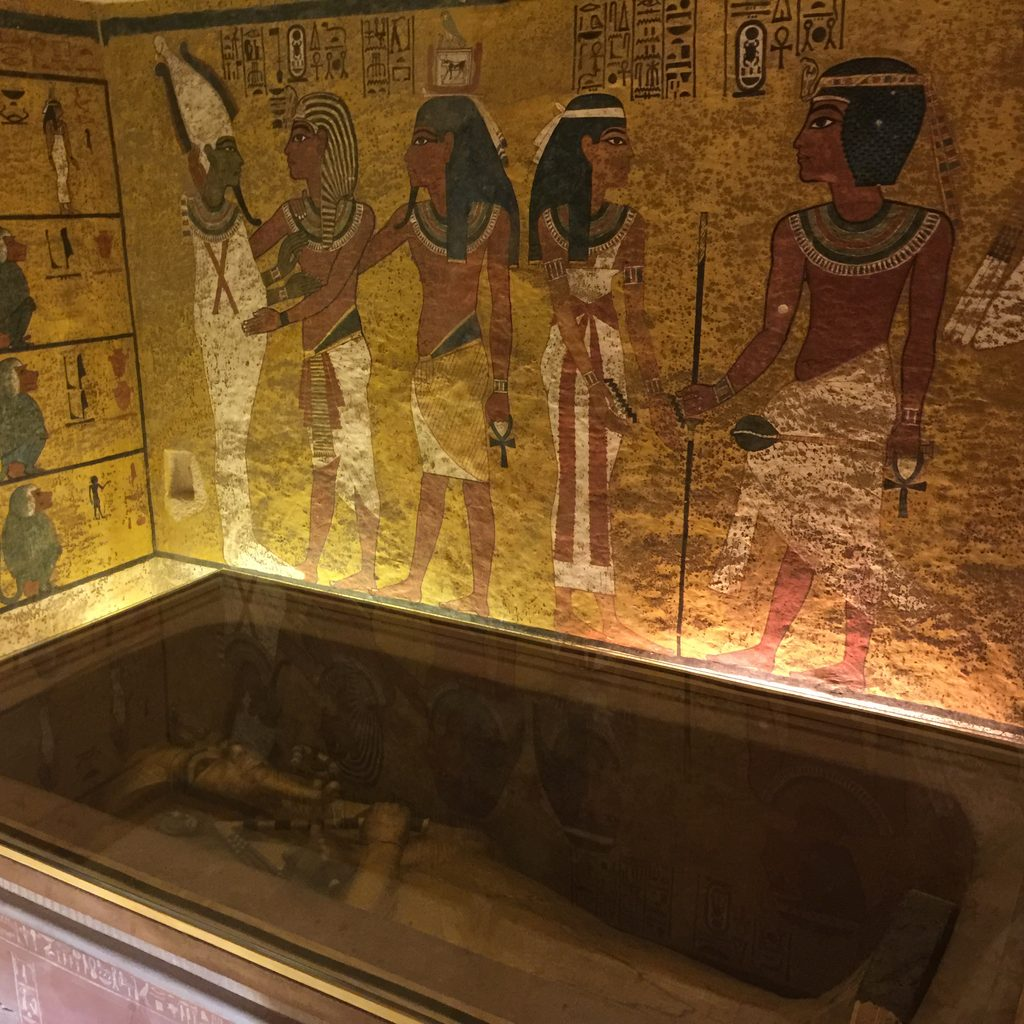
A new study by Mamdouh Eldamaty (Egypt’s former antiquities minister), Abbas Mohamed Abbas, George Ballard, and Nicholas Reeves, reviews a decade of evidence supporting the theory that Tutankhamun’s tomb is part of a larger, hidden complex that may contain Nefertiti’s burial chamber. The report reexamines previously published evidence, including the following:
- King Tut’s tomb (KV62) exits left from the burial chamber, as the tombs of queens do, and not right, as every 18th Dynasty king’s tomb from this period does.
- There is a difference in tomb paintings, with one following a 20-square grid common to the Amarna period, while the other walls were painted later, using the 18-square grid used during Tut’s reign.
- High-resolution photogrammetric scans conducted by Factum Arte revealed evidence of altered cartouches. Traces of Tutankhamun’s name beneath that of Ay suggest that the scene originally depicted Tutankhamun burying his predecessor, rather than Ay burying Tutankhamun.
The report also includes details of recent scans and a microgravity survey, which detected previously unknown right-angled structures running parallel to the tomb’s north wall, along with a two-meter-wide corridor leading away from the burial chamber. Egypt’s Supreme Council of Antiquities is now deciding whether to drill holes 3.15 inches (8 cm) in diameter in the tomb wall to let small, camera-equipped tractors explore what lies behind it. A literal reading of the Bible’s chronological data places King Tutankhamun’s reign during the period of the judges.
Sources:
- https://www.academia.edu/175580520
- https://ancientnow.substack.com/p/the-tomb-behind-tutankhamuns-tomb
2. Bronze Ring Depicting the Lighthouse of Alexandria Recovered by Divers
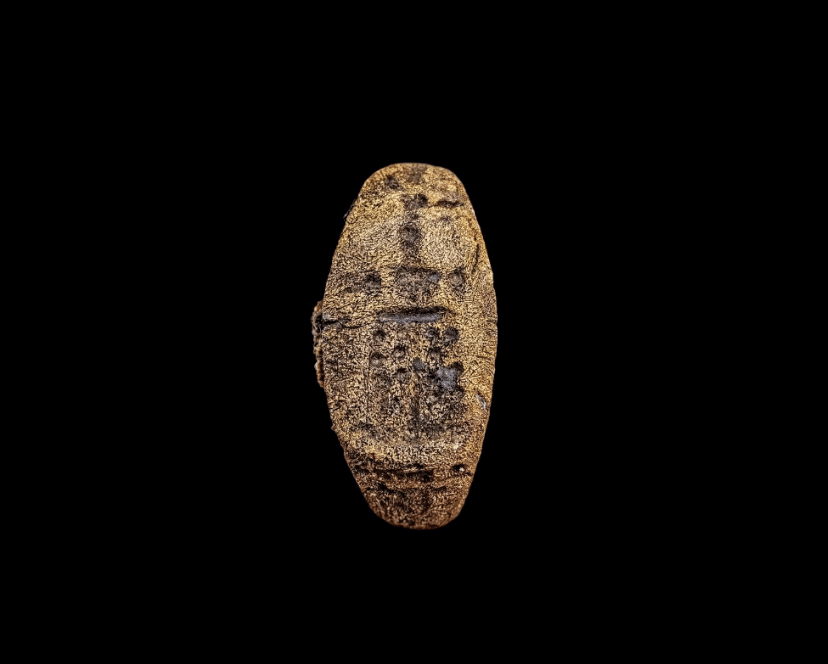
The Egyptian Ministry of Tourism and Antiquities recently announced the underwater discovery of a ring depicting the Lighthouse of Alexandria. Divers from Egypt’s Supreme Council of Antiquities and the European Institute for Underwater Archaeology recovered the ring near the island of Antirhodos, located in Alexandria’s ancient Eastern Harbor. The bronze signet ring bears an image of the lighthouse similar to depictions found on second-century AD coins. Built in the third century BC during the reign of Ptolemy II Philadelphus (280–247 BC), the lighthouse is believed to have stood over 330 feet (100 m) tall. The Lighthouse of Alexandria was one of the Seven Wonders of the Ancient World and survived until the 14th century AD, when an earthquake destroyed it. The apostle Paul traveled to Rome aboard a ship from Alexandria (Acts 28:11) that had undoubtedly passed the famous lighthouse numerous times.
Source: https://www.facebook.com/share/p/1ErjZwfByU/
1. Large Cache of 131 Cuneiform Tablets Unearthed at Ancient Hittite City
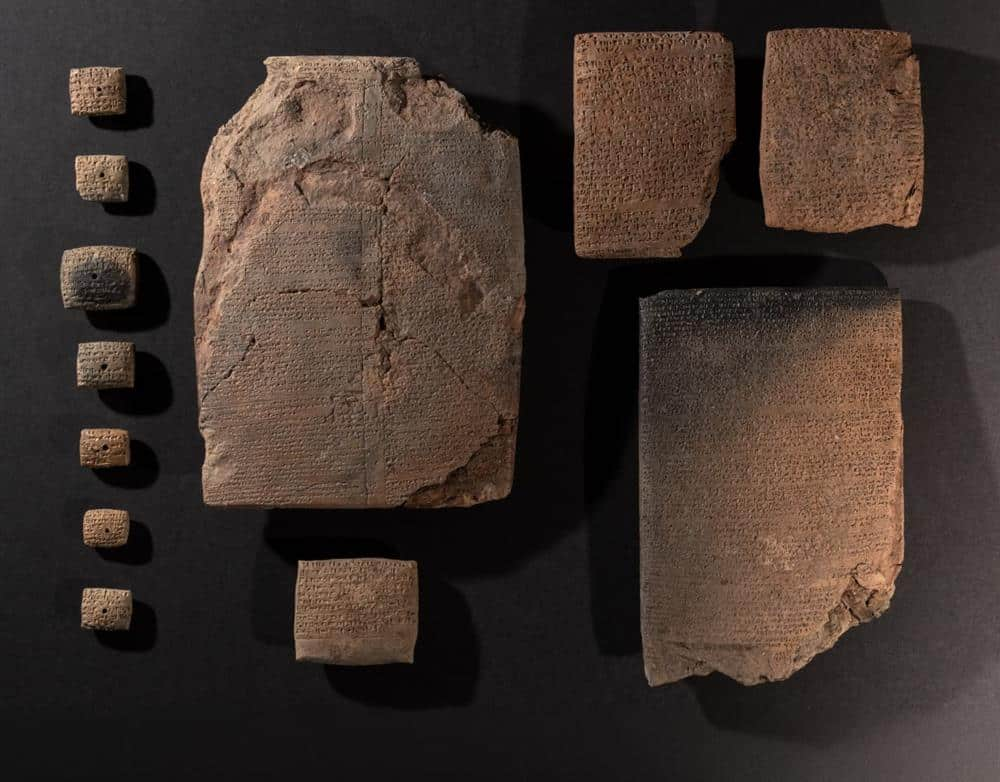
The Turkish Ministry of Culture and Tourism recently announced the discovery of 131 cuneiform tablets during the 2026 excavation season near Kayalıpınar, the site of the ancient Hittite city of Šamuḫa. The earliest texts date back to the reign of King Tudhaliya II. Mehmet Nuri Ersoy, Turkey’s Minister of Culture and Tourism, characterized the discovery as the most comprehensive Hittite archive discovered in the 21st century. The tablets, which are approximately 3,400 years old provide information about everyday life, including state administration, military developments, a pandemic, and Hittite divination practices. Much confusion exists over the Hittites from ancient Anatolia (modern Turkey) and the Hittites mentioned in the Bible. For clarification, see Dr. Bryant Wood’s groundbreaking research into this subject in the link below.
Bonus: For clarification, see Dr. Bryant Wood’s groundbreaking research into this subject: https://biblearchaeology.org/research/topics/ancient-manuscripts/2796-hittites-and-hethites-a-proposed-solution-to-an-etymological-conundrum
Stay Up-To-Date
Get the latest BREAKING NEWS in biblical archaeology each week on ABR’s new website. Click here: https://biblearchaeology.org/category/breaking-news