
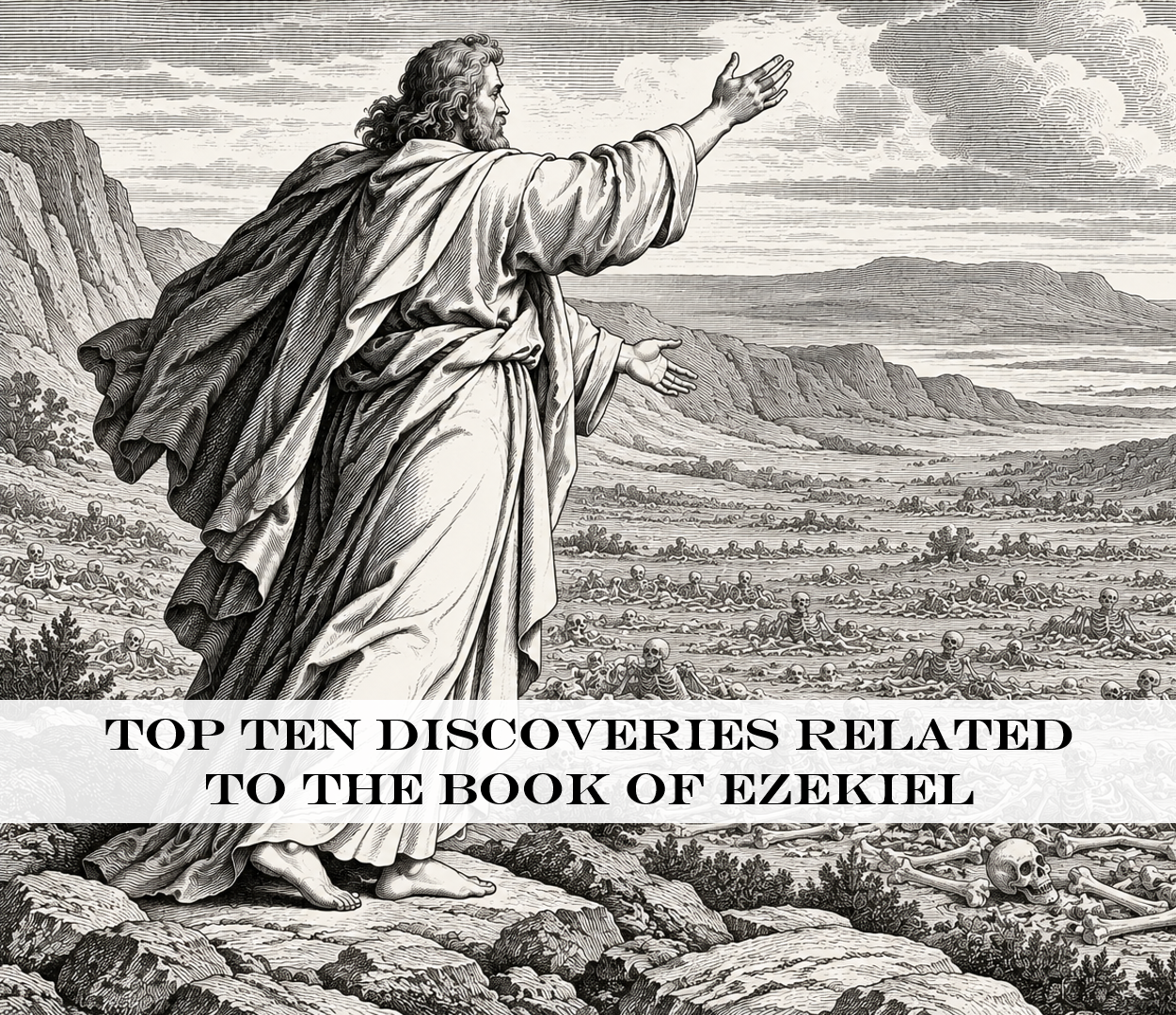
Ezekiel prophesied during the period of the Babylonian exile of Judah. Since he dated his prophecies, we know he ministered from roughly 593 BC (his first prophecy; 1:1) to 571 BC (his last chronologically; 29:17–21). Thus, his entire recorded ministry occurred during the reign of King Nebuchadnezzar.
During the 20th century, some scholars questioned the authenticity of Ezekiel. In his book Pseudo-Ezekiel and the Original Prophecy, Charles Cutler Torrey advanced his theory that was a pseudepigraphical work written around 230 BC and set fictionally in Manasseh’s reign.1 German scholar Gustav Hölscher famously considered only 143 out of 1273 verses to be authentic.2 This radical criticism of the 20th century has largely been abandoned and the book is now broadly considered to contain the prophecies of Ezekiel from the sixth century BC.
From a historical point of view, Ezekiel is set in the authentic world of the Judahite exiles in Babylon. Here are the top ten archaeological discoveries related to the Book of Ezekiel.
10. Cuneiform Tablets Mentioning the Chebar Canal
In the thirtieth year, in the fourth month, on the fifth day of the month, as I was among the exiles by the Chebar canal, the heavens were opened, and I saw visions of God (Ezek 1:1).
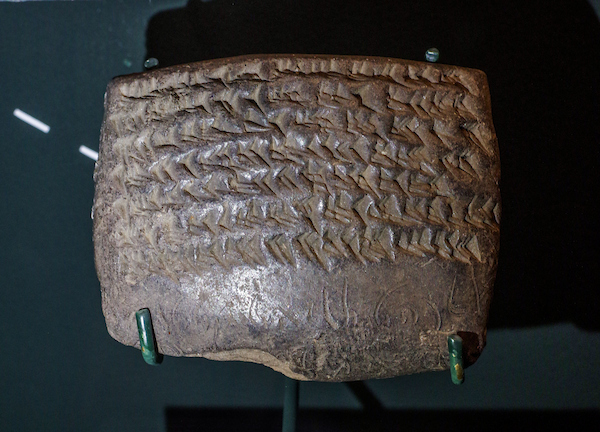
Numerous cuneiform tablets from the Babylonian and Persian era mention the Chebar Canal. One in particular, pertains to rent to be collected from sailors by Zababa-šar-uur, the estate manager of the crown prince’s estate at a town on the Chebar Canal.3 It specifically mentions the “Kabar Canal.” A fifth century text from the region of Nippur in the business archive of Murashû also mentions the ka-ba-ru canal.4 This canal branched off of the Ephrates River north of Babylon and flowed 60 miles southeast close to ancient Nippur, rejoining the Euphrates of Warka (biblical Erech).5 The Chebar/Kabar canal was a known waterway in the days of Ezekiel and the subsequent period.
9. The Al-Yahudu Archive: Evidence of the Judahite Exile
Go now to your countrymen in exile and speak to them. Say to them, ‘This is what the Sovereign LORD says,’ whether they listen or fail to listen” (Ezek 3:11).
Both the Bible and Babylonian sources agree that King Nebuchadnezzar attacked Jerusalem multiple times, taking away Jewish exiles with each invasion. The Babylonian Chronicle for the years 605-595 BC (known as ABC 5, or more popularly as the “Jerusalem Chronicle”) records two such campaigns against the region in 605 BC, when Daniel was taken captive, and in 597 BC, when Ezekiel was taken into exile.6
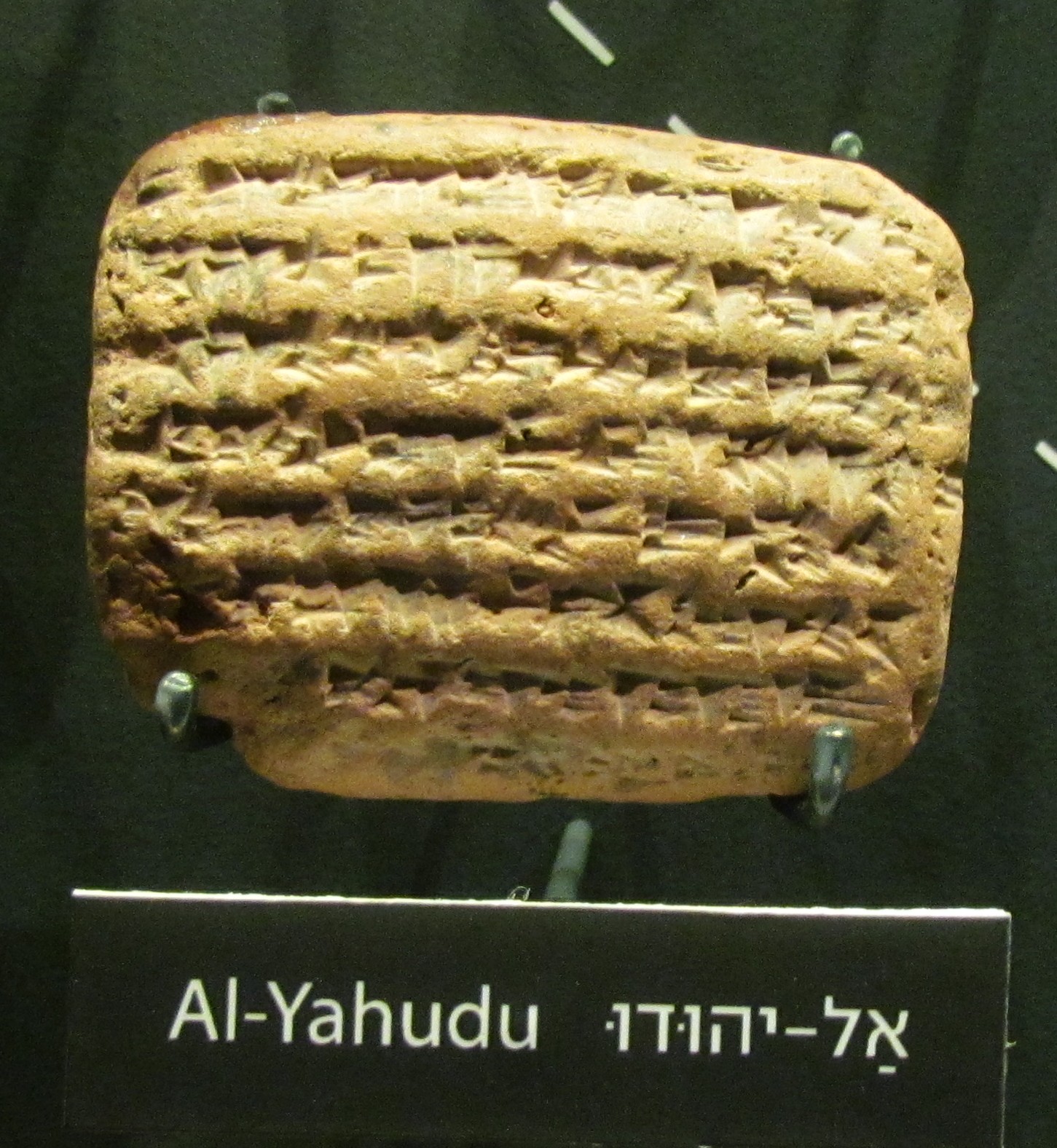
Perhaps the most compelling evidence for Judahite exile comes from a collection of cuneiform tablets known as the Al-Yahudu archive. These tablets from the city of Al-Yahudu (literally, “Judahtown” or “City of Judah”) record business transactions, tax payments, and marriage contracts, providing a glimpse of daily life among the Jewish exiles in Babylon. It appears that Judahtown was located near the Babylonian city of Nippur, not far from the Chebar canal.7 In the Al-Yahudu archive, scholars can identify the ethnic identity of individuals based on the theophoric ending (a suffix attached to a name that incorporates the name a god) of their name. Many of the Jews in exile had Yahweh, incorporated into the ending of their names, written as “Yahu” or “Yawa.” George Heath-Whyte notes, “Remarkably though, the family trees that have been reconstructed from these documents show that almost none of these families gave their children names that paid homage to pagan deities.”8
8. Jehoiachin Ration Tablet: Evidence of Jehoiachin’s Exile
On the fifth day of the month (it was the fifth year of the exile of King Jehoiachin), the word of the LORD came to Ezekiel the priest, the son of Buzi, in the land of the Chaldeans… (Ezek 1:2–3a).

Both the Bible and Babylonian sources confirm Nebuchadnezzar took Jehoiachin, king of Judah in to exile. According to 2 Kings 24:15 “Nebuchadnezzar took Jehoiachin captive to Babylon” and then placed his uncle Mattaniah on the throne, renaming him Zedekiah (2 Kgs 24:17). Similarly, the Babylonian Chronicle for the years 605–595 BC reads, “He [Nebuchadnezzar] seized the city and captured the king. [Jehoiachin] He appointed there a king of his own choice, [Mattaniah/Zedekiah] received its heavy tribute and sent to Babylon.”9 Further confirmation of Jehoiachin’s exile comes from ration tablets discovered by Robert Koldewey in a room near the Ishtar Gate at Babylon. Several of the tablets list the rations given to “Iaukin,” the “king of Iakadu,” identified as Jehoiachin, king of Judah.10
The fact that Ezekiel dates his prophecies by the years of the exile of King Jehoiachin likely indicates that he recognized Jehoiachin as the rightful king of Judah and not Zedekiah, the puppet king installed by Nebuchadnezzar
7. Babylonian Divination
For the king of Babylon will stop at the fork in the road, at the junction of the two roads, to seek an omen: He will cast lots with arrows, he will consult his idols, he will examine the liver (Ezek 21:21).
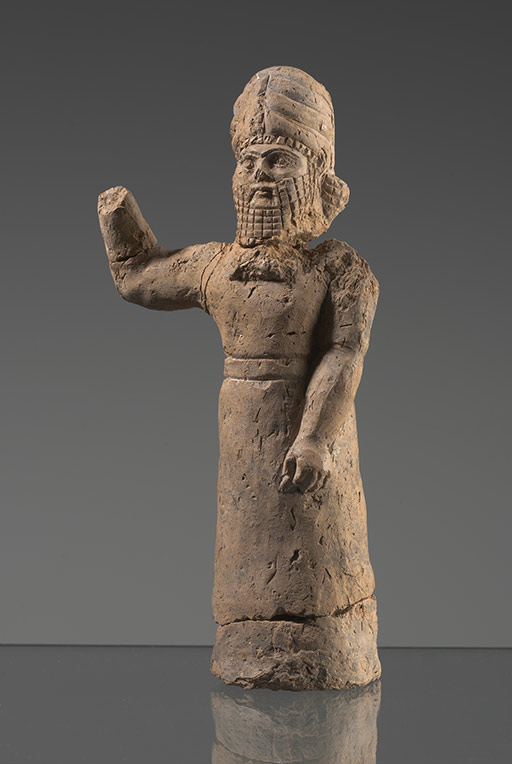
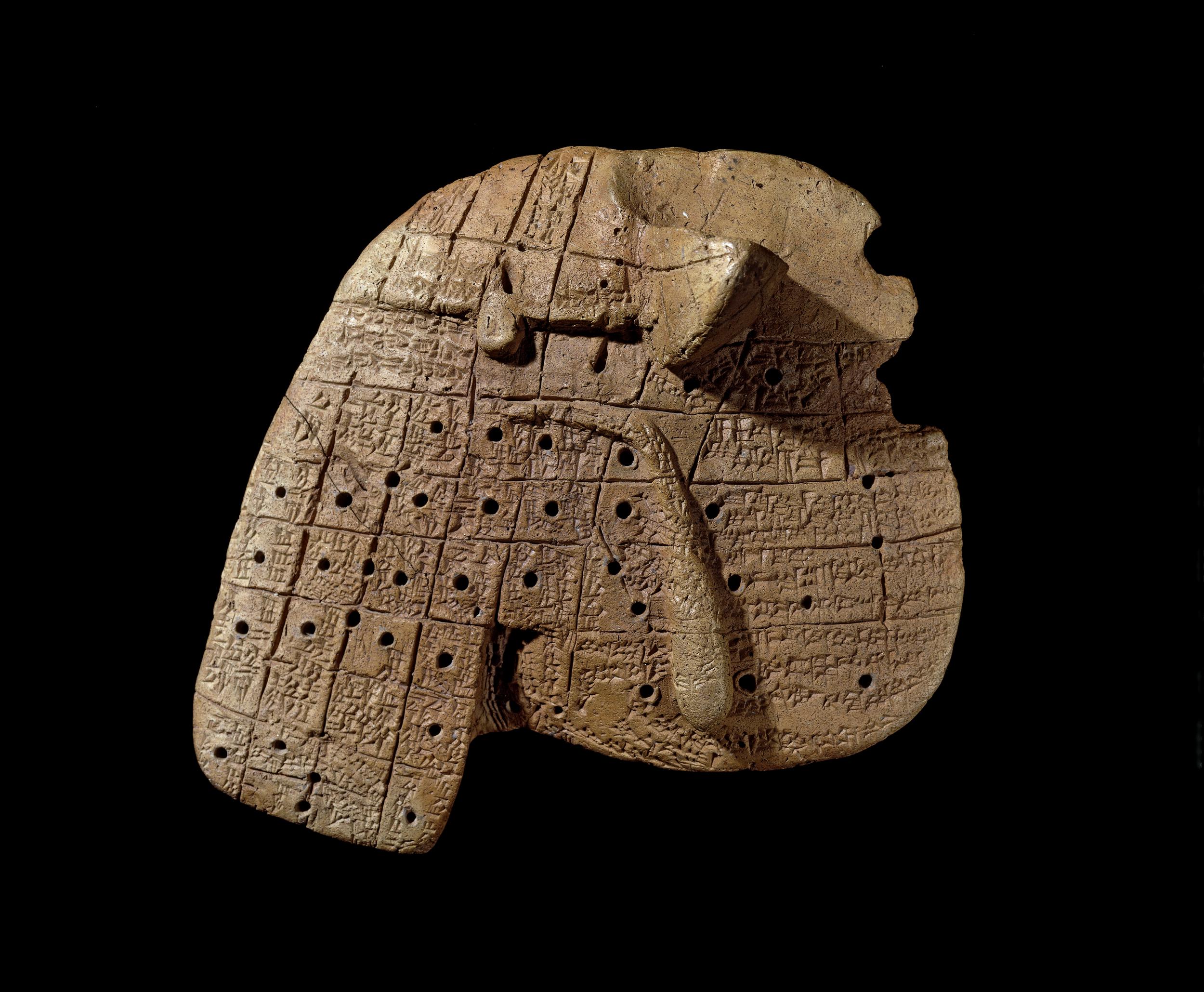
The “art” of reading omens is well known from ancient Near Eastern history. Ezekiel notes three methods of divination Nebuchadnezzar would use during his attack on Jerusalem: consulting his gods, casting arrows, and examining an animal’s liver. While Nebuchadnezzar worshipped multiple deities, his inscriptions make it clear that Marduk was his primary patron deity. For example, in the East India House Inscription, he writes, “I am Nebuchadnezzar, king of Babylon, the exalted prince, the favourite of the god Marduk…By thy command, merciful Marduk, may the temple I have built endure for all time and may I be satisfied with its splendor.”11 Marduk was usually depicted as a bearded man. A small clay figurine from the seventh century BC depicting a male Babylonian deity is currently housed in the Staatliche Museen zu Berlin. It illustrates the type of idol Nebuchadnezzar may have consulted. A clay tablet shaped like a sheep liver from the Old Babylonian period was likely used to train student diviners in reading animal entrails. It is divided into over 50 boxes, with a prophetic meaning for each blemish or mark associated with that spot on the animal liver. This practice was widely used in the ancient world for millennia.
6. The House of Bullae
Then the Spirit lifted me up and brought me to the gate of the house of the LORD that faces east. There at the entrance to the gate were twenty-five men, and I saw among them Jaazaniah son of Azzur and Pelatiah son of Benaiah, leaders of the people. The LORD said to me, “Son of man, these are the men who are plotting evil and giving wicked advice in this city” (Ezek 11:1–2).
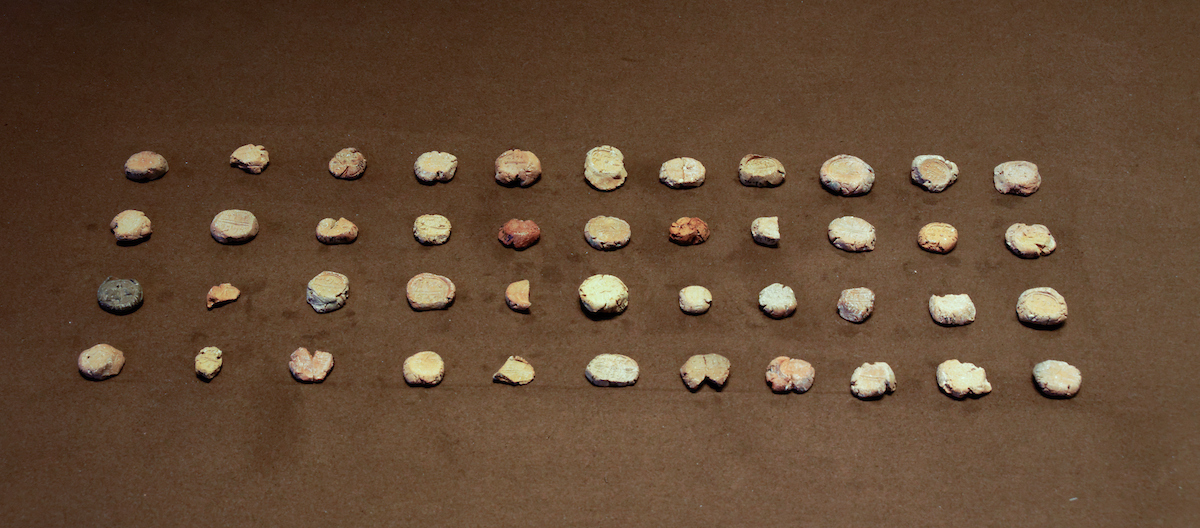
In a vision, God reveals to Ezekiel the corrupt officials of Jerusalem. In 1982, Yigal Shiloh excavated 51 bullae (clay seal impressions) discovered in the destruction matrix of an administrative building in the City of David. The destruction dates to the Babylonian destruction of Jerusalem in 587/586 BC. As such, they represent Jewish elite or officials around the time Ezekiel prophesied. While none of the bullae refer specifically to men named in the book of Ezekiel, some of the same names appear, including: Jaazaniah, Pelatiah, and Benaiah.12 These bullae illustrate the types of seals the Judahite officials possessed in Ezekiel’s day and attest to the use of these names around the time of the Babylonian destruction.
5. Judean Pillar Figurines
“Therefore say to the house of Israel, ‘This is what the Sovereign LORD says: Repent! Turn from your idols and renounce all your detestable practices!’” (Ezek 14:6).
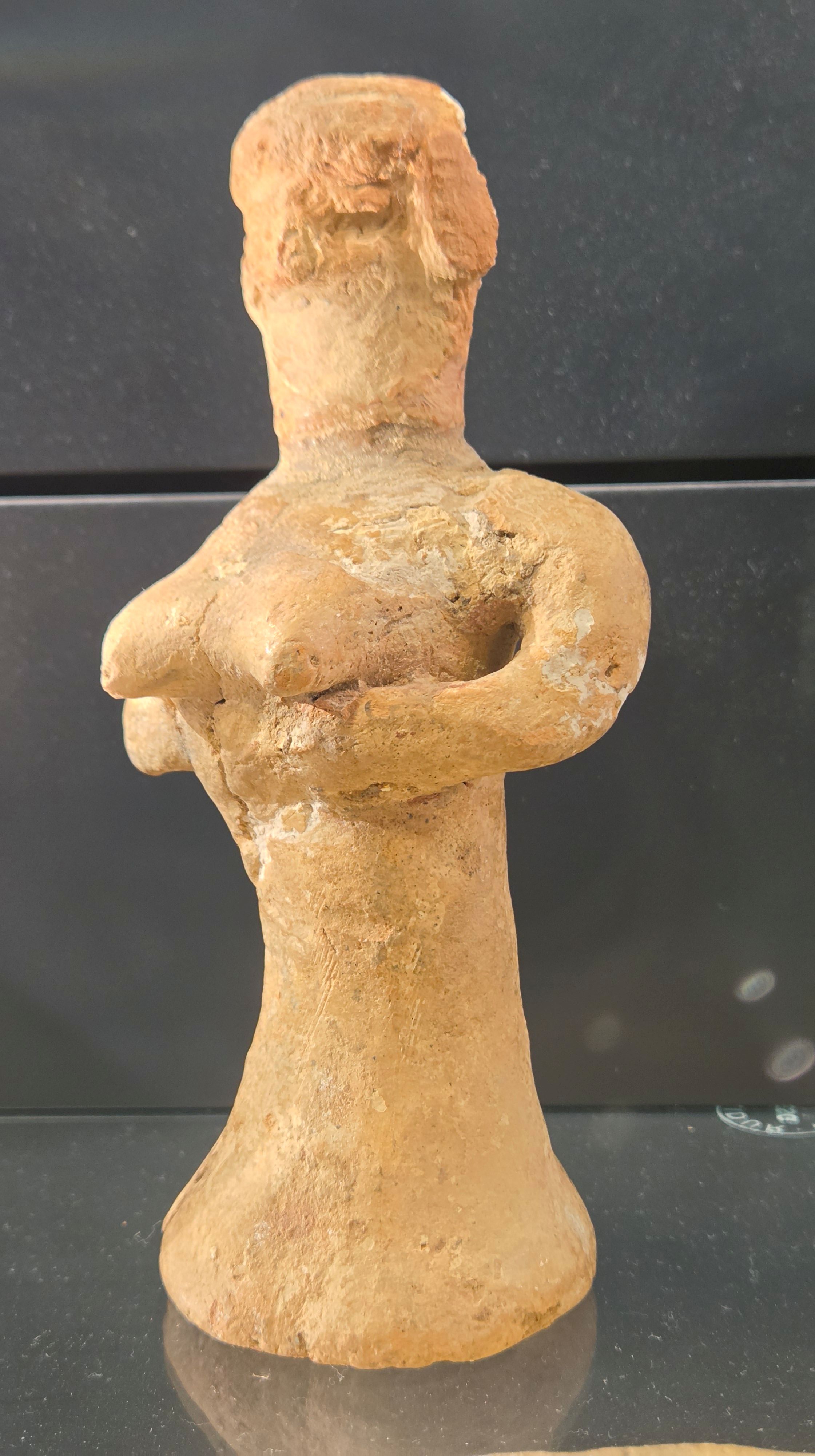
Ezekiel frequently brought messages to the Israelites condemning their idol worship (Ezek 5:9, 6:4, 7:20, 11:18, 14:3, 16:17, 18:6). What did these idols look like? These could be made of metal (Ezek 7:20), wood (Jer 10:3–5), and stone (Isa 37:19). Archaeologists have also found examples of pottery idols in excavations of common Israelite dwellings. These idols, known as Judean Pillar Figurines (JPF), usually depict women with elaborate hairstyles and with their hands placed under their breasts. JPFs are often found in domestic contexts dating to the Iron Age II, and many scholars believe they were used in household religious practices. The apocryphal book of Wisdom of Solomon in the Septuagint notes the use of clay for idols: “For the potter, tempering soft earth, fashioneth every vessel with much labour for our service: yea, of the same clay he maketh both the vessels that serve for clean uses, and…he maketh a vain god of the same clay” (15:7–8). The widespread use of these personal idols aligns closely with the period when Old Testament prophets like Ezekiel repeatedly condemned idolatry in Judah.
4. Nebuchadnezzar’s Campaign Against Egypt
And I will make the land of Egypt a desolation in the midst of desolated countries, and her cities shall be a desolation forty years among cities that are laid waste. I will scatter the Egyptians among the nations, and disperse them through the countries. (Ezek 29:12).
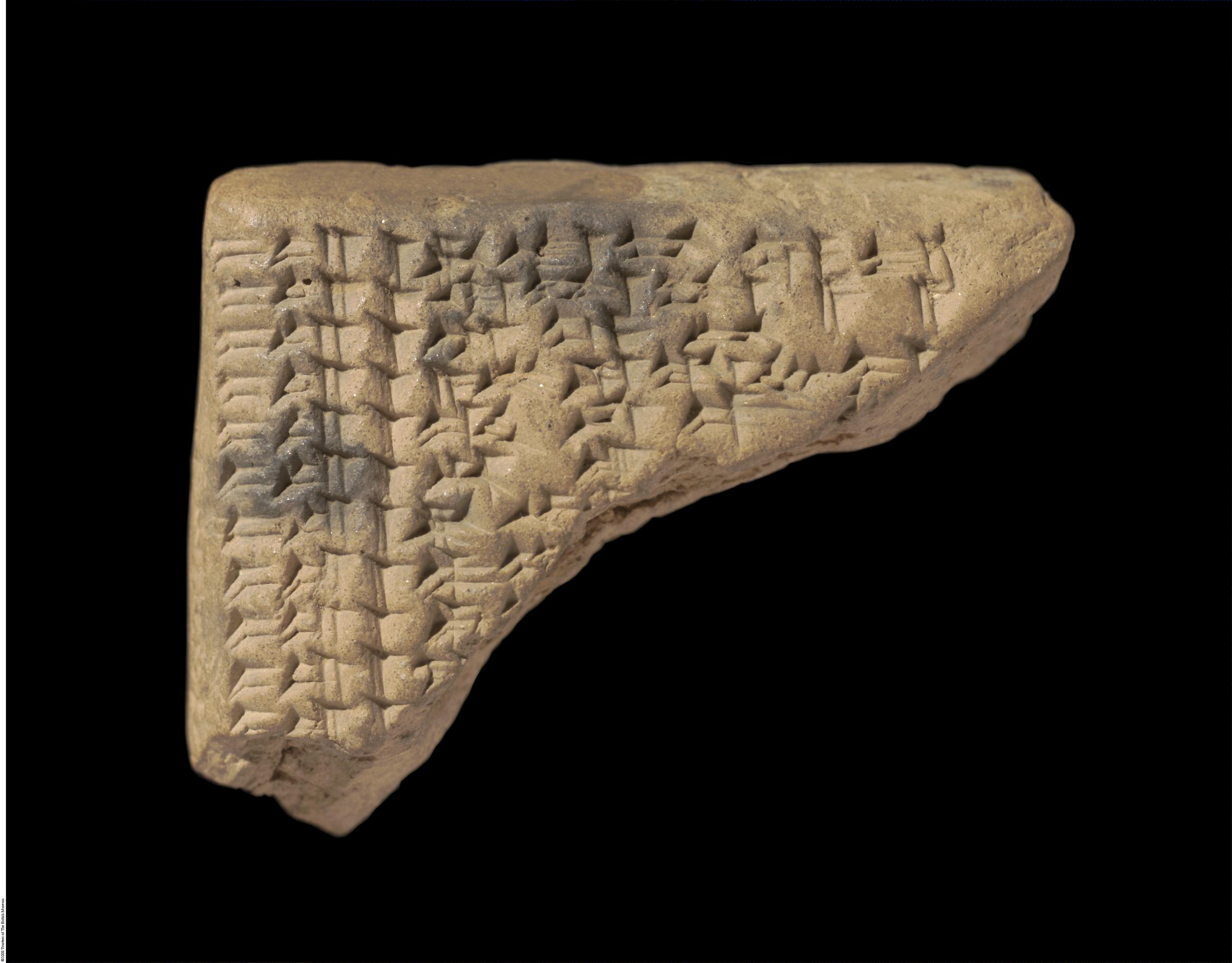
Just as God had prophesied through Jeremiah that Nebuchadnezzar would attack Egypt, Ezekiel also foretold that the Babylonian King would invade the land of the Nile and take Egyptians into exile. The Babylonian Chronicles, the primary source for information about Nebuchadnezzar, record only the first 11 years of his 43-year reign. These indicate that Nebuchadnezzar attacked Egypt in 605 and 601 BC. Another fragmentary cuneiform tablet exists indicating that Nebuchadnezzar also attacked Egypt later in his reign. This inscription (BM 33041) has been reconstructed to read, “The 37th year, Nebuchadnezzar, king of Babylon marched against Egypt to deliver battle.”13
Further evidence exists of Egyptian slaves in exile in Babylon, as prophesied by Ezekiel. Ration tablets list Egyptians among the slaves and prisoners supplied with food by the Babylonians.14 One tablet (BM 57337) indicates that Halabesu, Kinenaeai, Sebi, Amuruda’is, Amnamari, and Huru each received 2 kur of barley.15 These tablets also indicate that Egyptians were serving in the boatyard, the palace, and in other official positions.
3. Nebuchadnezzar’s Campaign Against Tyre
“…this is what the Sovereign LORD says: I am against you, O Tyre, and I will bring many nations against you, like the sea casting up its waves. They will destroy the walls of Tyre and pull down her towers; I will scrape away her rubble and make her a bare rock…From the north I am going to bring against Tyre Nebuchadnezzar king of Babylon, king of kings, with horses and chariots, with horsemen and a great army. He will ravage your settlements on the mainland with the sword; he will set up siege works against you, build a ramp up to your walls and raise his shields against you (Ezek 26:3–4, 6–7).
Son of man, Nebuchadnezzar king of Babylon drove his army in a hard campaign against Tyre; every head was rubbed bare and every shoulder made raw. Yet he and his army got no reward from the campaign he led against Tyre (Ezek 29:18).
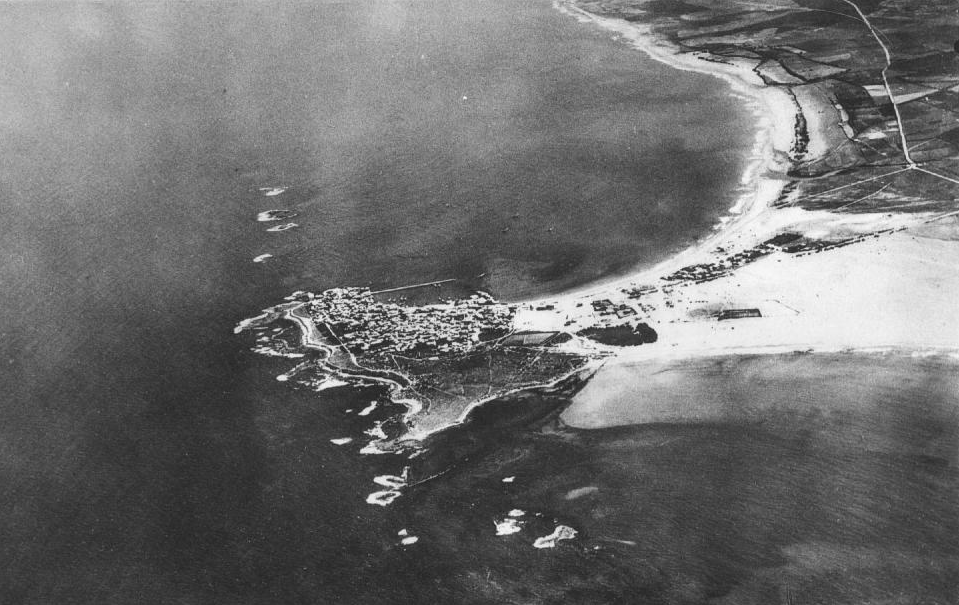
There has been not shortage of confusion about Ezekiel’s’ prophecies against Tyre. To understand these prophecies against the Phoenician city, one needs to understand that historians distinguish between the two geographically-related cities of Tyre: “Old Tyre” on the mainland, and “Tyre-the-Port,” an Island offshore.16 The two prophecies cited above indicate that many nations would come against Tyre and eventually destroy it and that Nebuchadnezzar would besiege Tyre, but not gain much for his effort. Josephus records that “Nabuchodonosor besieged Tyre for thirteen years.”17 Various scholars have attempted to assign the precise years of Nebuchadnezzar’s 13-year siege, while Helen Dixon has challenged the traditional chronology, drawing on cuneiform administrative tablets to suggest that the Babylonian siege may have lasted as little as three years.18
Some scholars have suggested that Ezekiel erred in his prophecy because Alexander the Great, rather than Nebuchadnezzar, ultimately conquered Tyre. Others have argued that Ezekiel 26, which predicts Nebuchadnezzar’s attack against the city, contradicts Ezekiel 29, which acknowledges that the Babylonian king received no reward for his campaign. For example, Edwin Burtt wrote, “These inconsistencies challenge explanation. Anny attempt to explain them while adhering to the orthodox view of supernatural revelation plunges us into an almost intolerable dilemma.”19 However, a careful examination of the literary structure of Ezekiel 26 suggests a distinction between the actions attributed specifically to Nebuchadnezzar and those attributed to the nations collectively. The prophecy first announces that God will bring “many nations” against Tyre (v. 3), before identifying Nebuchadnezzar as an individual aggressor (v. 7–11). Significantly, the subject shifts from the singular “he” to the plural “they” in verse 12, suggesting that there would be successive campaigns against Tyre and that the destruction and plundering described in the latter verse need not be attributed exclusively to Nebuchadnezzar.20 While Nebuchadnezzar was able to take the mainland settlements including Old Tyre, he was not able to conquer the prize: Tyre-the-Port on the Island. The island city was ultimately captured by Alexander the Great in 332 BC, who famously constructed a causeway from the mainland to the island to facilitate his siege. The causeway permanently altered the coastline, contributing to the formation of the peninsula that connects the former island to the mainland today.
2. Jerusalem’s Fortifications
And you, son of man, take a brick and lay it before you, and engrave on it a city, even Jerusalem. And put siegeworks against it, and build a siege wall against it, and cast up a mound against it. Set camps also against it, and plant battering rams against it all around (Ezek 4:1–2).
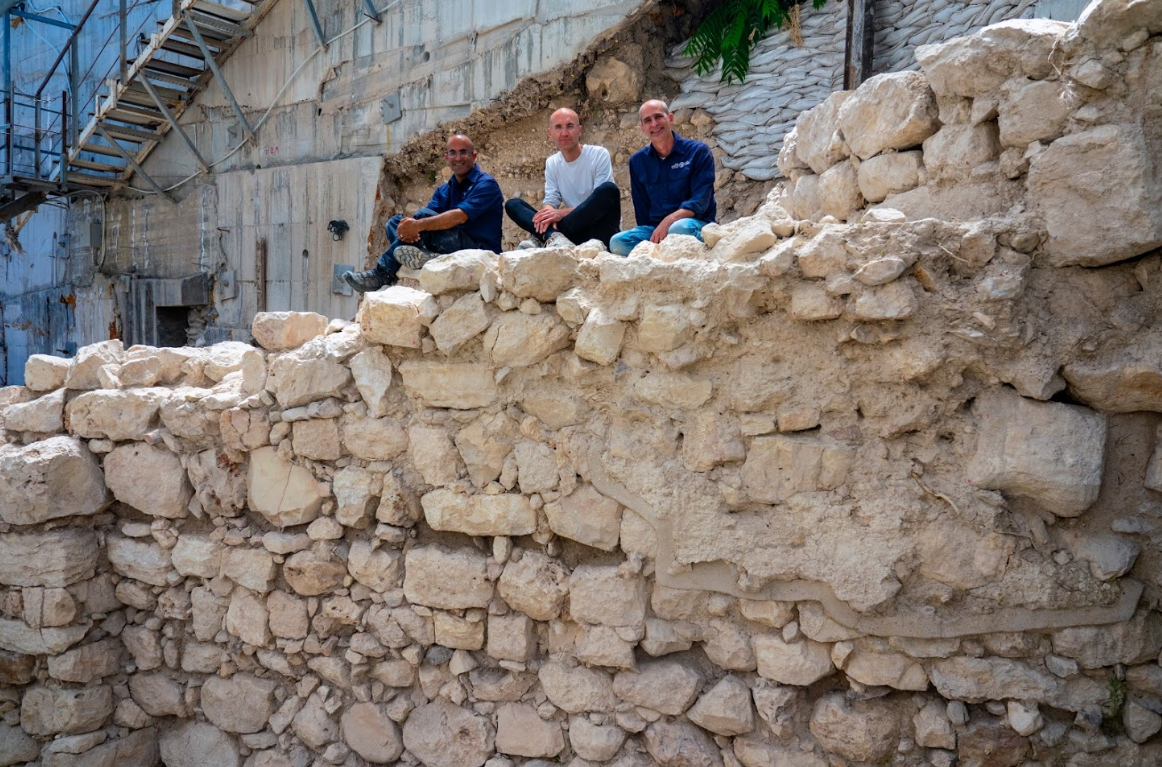
Ezekiel symbolically created a model of Jerusalem depicting the Babylonian siege against the city. Other prophesies and reports describe Nebuchadnezzar’s attack against Jerusalem (Ezek 21:22, 24:1–2, 33:21). Recent excavations in Jerusalem unearthed a section of the city wall that defended Jerusalem during the Babylonian siege. Excavations led by Filip Vukosavović, Ortal Chalaf and Joe Uziel in 2020 uncovered two previously unknown sections of the Iron Age IIB–C city wall (Walls 20005 and 20021) which connected the gap between two earlier sections of the wall: Kenyon’s Wall 1 and Shiloh’s Wall 219. In all, about 200 m of the city wall can be securely reconstructed.21 Some have suggested that the survival of these walls contradicts the Bible, which records, “And all the army of the Chaldeans, who were with the captain of the guard, broke down the walls around Jerusalem” (2 Kgs 25:10).22 However, breaking down the walls around the city does not necessarily imply every stone in every part of the wall was torn down. It is more logical to conclude that the Babylonians demolished enough of Jerusalem’s fortifications to neutralize the city’s defenses, while substantial sections likely survived.
1. Babylonian Destruction of Jerusalem
In the twelfth year of our exile, in the tenth month, on the fifth day of the month, a fugitive from Jerusalem came to me and said, “The city has been struck down” (Ezek 33:21).
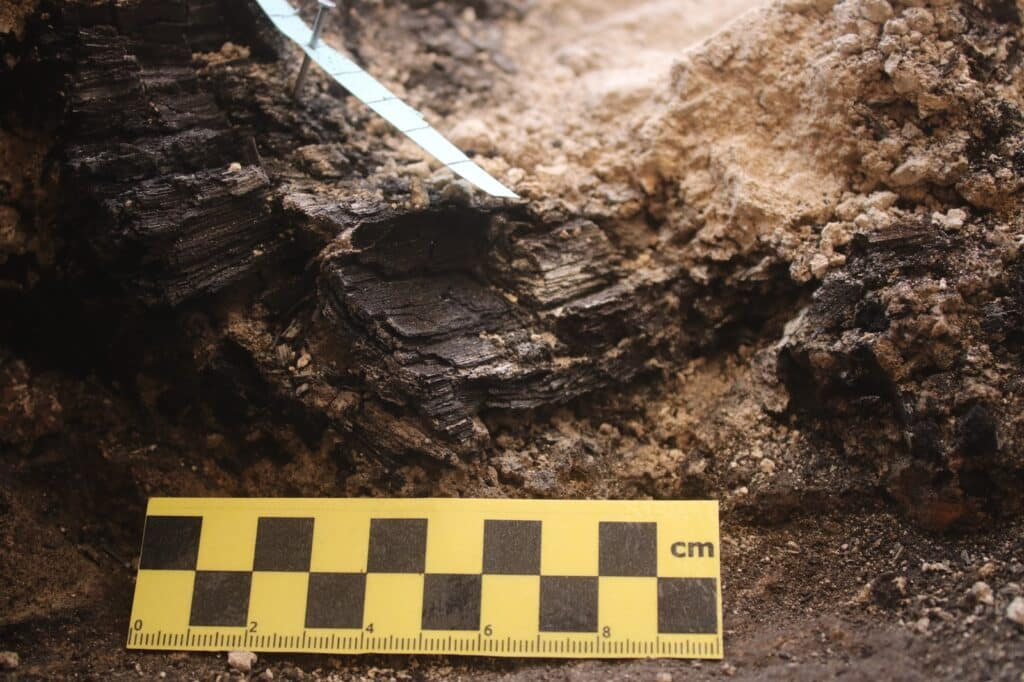
The Babylonians captured Jerusalem following a prolonged siege, destroying the Temple, and dismantling the city’s fortifications (2 Kgs 25:1–10; Jer 52:4–14). Evidence of the Babylonian destruction has been found throughout Jerusalem. Kathleen Kenyon unearthed several houses destroyed by fire on the Ophel in the 1960s. In 1975, Nachman Avigad found four Babylonian arrowheads buried in ash at the base of a defensive tower in the Jewish Quarter.23 In the 1980s, Yigal Shiloh excavated three structures in the city of David that had been destroyed by the Babylonians: the so-called Burnt Room, the House of Ahiel, and the House of Bullae). Shiloh wrote that “the ‘Burnt Room’, which was part of a structure buried 2 to 3 metres deep in its own debris. It still stands in part to the second floor. The charred layer which covered the floors beneath the rubble was some 70 cms deep, evidence of a violent conflagration. The large amount of 6th-century pottery found in it dates its destruction to the Babylonian sack.”24 In 2019, archaeologists from the University of North Carolina discovered a layer of ash containing arrowheads that dated to the Babylonian conquest on Mount Zion.25 Most recently, excavators from the Givati Parking Lot excavations announced the discovery of charred wooden beams from the Babylonian Destruction.26 Each of these provides poignant confirmation of the destruction Ezekiel prophesied.
Conclusion
One of archaeology’s most important benefits is how it illuminates the world of the Bible. The discoveries outlined above demonstrate that the book of Ezekiel accurately reflects the life of the Jews in the Babylonian exile. Some confirm specific events; others provide more detail. Together, they offer insight into the world of Ezekiel in the sixth century BC.
Endnotes:
1 Charles Cutler Torrey, Pseudo-Ezekiel and the Original Prophecy. (New Haven: Yale University Press, 1930), 72–99.
2 As quoted in Block, Daniel I. Block in The Book of Ezekiel: Chapters 1–24. New International Commentary on the Old Testament. (Grand Rapids, MI: William B. Eerdmans Publishing Company, 1997), 19.
3 Peter Zilberg, Laurie Pearce, and Michael Jursa, “Zababa-šar-uṣur and the Town on the Kabar Canal,” Revue d’Assyriologie et d’Archéologie Orientale 113 (2019), 166.
4 H.V. Hilprecht, ed., Business Documents of the Murashu Sons of Nippur. Babylonian Expedition of the University of Pennsylvania, Ser. A: Cuneiform Texts IX. (Philadelphia: University of Pennsylvania., 1898), 33.
5 Henry O. Thompson, “Chebar.” In The Anchor Bible Dictionary, ed. D.N. Freedman. (New York: Doubleday, 1992), 1332.
6 “ABC 5 (Jerusalem Chronicle),” Livius.org. July 26, 2017. https://www.livius.org/sources/content/mesopotamian-chronicles-content/abc-5-jerusalem-chronicle/ (Accessed Oct. 30, 2026).
7 George Heath-Whyte, “The Al-Yahudu Tablets,” March 31, 2023. https://tyndalehouse.com/explore/articles/the-al-yahudu-tablets/ (Accessed Oct. 30, 2026).
8 Heath-Whyite, 2023.
9 “ABC 5 (Jerusalem Chronicle),” Livius.org. July 26, 2017. https://www.livius.org/sources/content/mesopotamian-chronicles-content/abc-5-jerusalem-chronicle/ (Accessed Oct. 13, 2019).
10 James B. Pritchard, Ancient Near Eastern Texts Relating to the Old Testament. (New Jersey: Princeton University Press, 1969), 308.
11 “The East India House Inscription,” The British Museum. https://www.britishmuseum.org/collection/object/W_1938-0520-1 (Accessed Oct. 30, 2026).
12 @ Yigal Shiloh, “A Group of Hebrew Bullae from the City of David.” Israel Exploration Journal 36.1–2 (1986), 29.
13 James B. Pritchard, Ancient Near Eastern Texts Relating to the Old Testament, (New Jersey: Princeton University Press, 1969), 308.
14 Laurie E. Pearce, “Cuneiform Sources for Judeans in Babylonia in the Neo-Babylonian and Achaemenid Periods: An Overview.” Religion Compass, 10.9 (2016), 232.
15 D. J. Wiseman, “Some Egyptians in Babylonia.” Iraq, 28.2 (1966), 154–158.
16 Paul Ferguson, “Tyre…Prophecy Fulfilled.” Bible & Spade, 25.3 (Summer 2012), 68.
17 Josephus, Against Apion, 1.21. Online: https://www.gutenberg.org/files/2849/2849-h/2849-h.htm (Accessed Oct. 30, 2026).
18 Helen Dixon, “Reexamining Nebuchadnezzar II’s ‘Thirteen-Year’ Siege of Tyre in Phoenician Historiography” Journal of Ancient History, Vol. 10, No. 2, 2022, pp. 165-199.
19 Edwin A. Burtt, Types of Religious Philosophy. Rev. ed. (New York: Harper & Brothers, 1951, 311. .
20 Paul Ferguson, “Tyre…Prophecy Fulfilled.” Bible & Spade, 25.3 (Summer 2012), 70.
21 Filip Vukosavović and Yiftah Shalev. “Jerusalem, City of David, Areas U and C.” Hadashot Arkheologiyot: Excavations and Surveys in Israel 137 (December 24, 2025).
22 Amanda Borschel-Dan, “First Temple-era walls, razed in biblical account, found unbreached in Jerusalem.” Times of Israel, July 14, 2021. Online: https://www.timesofisrael.com/first-temple-era-walls-razed-in-biblical-account-found-unbreached-in-jerusalem/ (Accessed Nov. 2, 2026).
23 Suzanne F. Singer, “Found in Jerusalem: Remains of the Babylonian Siege.” Biblical Archaeology Review, March 1976.
24 Yigal Shiloh, “Biblical Jerusalem: A Canaanite City and an Israelite Capital.” Bulletin of the Anglo-Israel Archaeological Society 5 (1985–1986), 30.
25 “Evidence of the 587/586 BCE Babylonian conquest of Jerusalem found in Mount Zion excavation” (2019) https://inside.charlotte.edu/news-features/2019-08-12/evidence-587586-bce-babylonian-conquest-jerusalem-found-mount-zion/ (Accessed Sept. 11, 2024).
26 “Burnt Wooden Beams from the Destruction of Jerusalem During the First Temple Period Discovered in the City of David” July 20, 2026. https://www.iaa.org.il/en/page/news-index (Accessed Oct. 30, 2026).

