

Here is your one-stop shop for a monthly recap of the latest news from the world of biblical archaeology. The top three reports in biblical archaeology from June 2026 included accounts related to ancient Israel’s history, including potential evidence of Hezekiah‘s reforms, a new dig at Ashdod, and significant discoveries at Shiloh.
3. New Study Presents Evidence for Hezekiah’s Reforms

A new study in the Jerusalem Journal of Archaeology presents a standing stone that was concealed at Tel ‘Eton as evidence of Hezekiah’s reforms. Excavators at Tel ‘Eton identified a standing stone that had likely stood as part of a platform in the innermost room of an Israelite four-room house, visible from the entrance and courtyard. Sometime before the end of the eighth century BC, the standing stone was laid down and concealed and a stone platform was built around it. The author of the study, Bar-Ilan University professor Avraham Faust, suggests that this might be connected with Hezekiah’s reforms, as described in 2 Kings 18:4: “He removed the high places and broke the pillars and cut down the Asherah” (ESV).
Source: https://academia.edu/168484664
2. New Excavation Begins at Biblical Ashdod

New excavations recently began at biblical Ashdod, under the joint direction of Ariel University and Lipscomb University. Ashdod was last excavated in the 1960s under the direction of Moshe Dothan, who unearthed, among other things, the Philistine city gate. The new excavations are reexamining this gate to better understand its layout and chronology, with the goal of turning Ashdod into a national park. ABR staff member Abigail Van Huss and her husband, Clayton, both participated in the dig. You can read Abigail’s blog about her experience during the first two weeks of the excavation below. Biblically, Ashdod is best known as one of the five major Philistine cities. After the Battle of Ebenezer, the Philistines captured the Ark of the Covenant, which had been brought from Shiloh, and took it to Ashdod (1 Sam 5:1).
Source: https://abigailsarchaeologicaladventures.wordpress.com/2026/06/27/ashdod-season-0-week-1/
1. ABR Announces Three Significant Discoveries from Biblical Shiloh
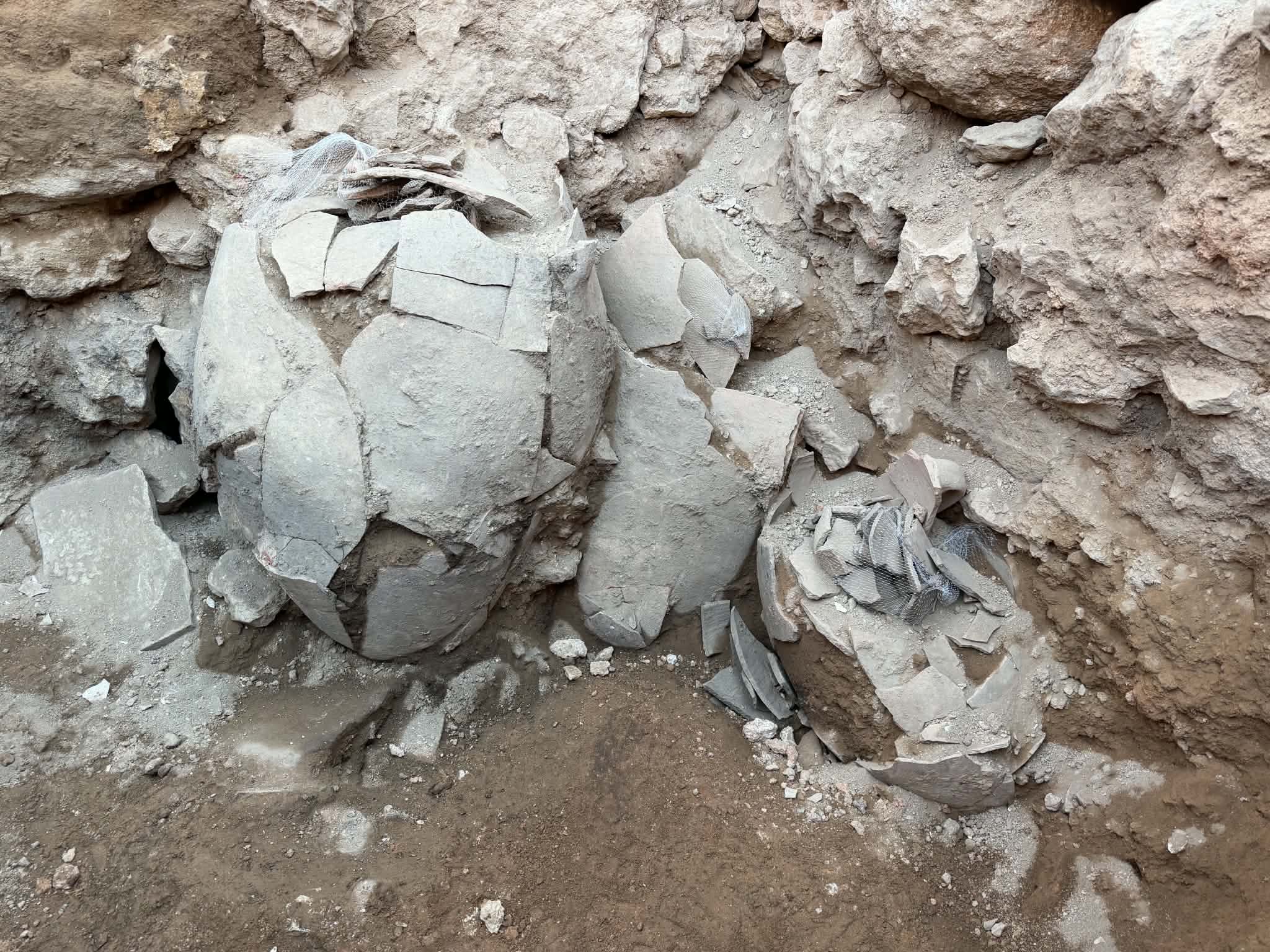
The Associates for Biblical Research completed their eight season of excavation at Shiloh in June 2026. They dig on the northern end of the site, and focuses on three key areas: the gate complex, the monumental structure, and Area D, the location of the favissa. This year’s excavations yielded three significant discoveries: the long-sought southern wall of the monumental building (tabernacle?), more walls/rooms in the northern gate complex, and three giant storage jars dating to the Canaanite period that were filled with the burned remains of olives and wheat. The Bible records that the Joshua and Israelites set the tabernacle at Shiloh (Josh 18:1), where it stood for over 300 years.
Source: https://biblearchaeology.org/abr-announces-three-significant-discoveries-at-shiloh-from-2026-season/
Stay Up-To-Date
Get the latest BREAKING NEWS in biblical archaeology each week on ABR’s new website. Click here: https://biblearchaeology.org/category/breaking-news


