
This past month, the news was filled with reports about a mysterious tunnel in Jerusalem, archaeological evidence of the fall of Nineveh, and the discovery of lost pages of a New Testament manuscript. Here were the top three reports in biblical archaeology in May 2026.
3. Ancient Tunnel Discovered in Jerusalem
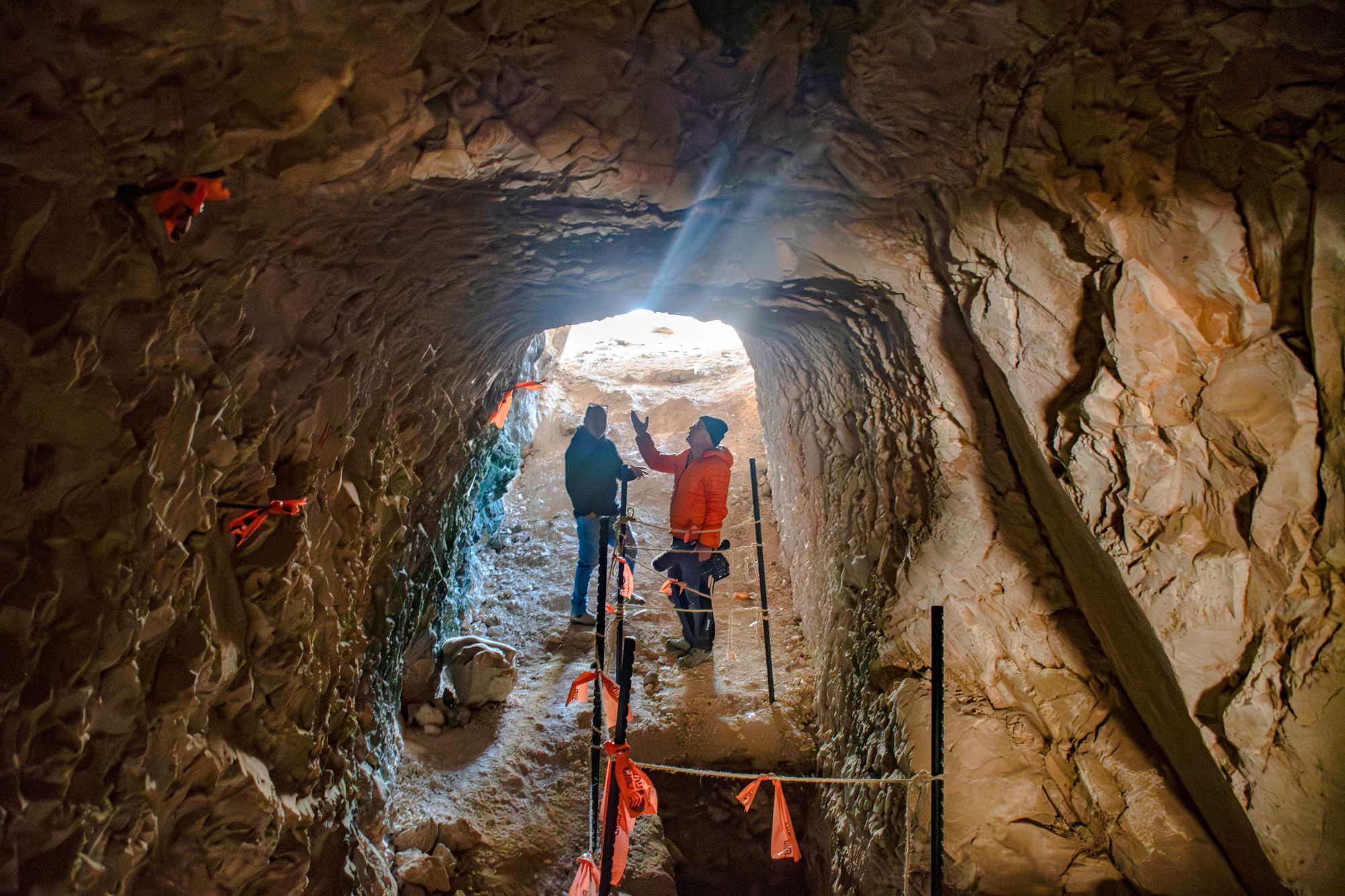
The Israel Antiquities Authority recently announced the discovery of an ancient tunnel near Kibbutz Ramat Rachel in Jerusalem. The tunnel is approximately 165 feet long, up to 16 feet tall, and about 10 feet wide. The entrance is reached from the surface via an ancient staircase that descends to the tunnel. Experts do not yet know the tunnel’s purpose. It was not an ancient water channel, as it was not plastered, and there is no underground water source nearby. Researchers are currently theorizing that the tunnel was cut to reach a chalk layer for quarrying building stones or producing lime. Significant tunneling projects like this are known from antiquity, the most famous being Hezekiah’s tunnel (2 Kings 20:20).
2. Evidence for the Fall of Nineveh Unearthed in the Shamash Gate
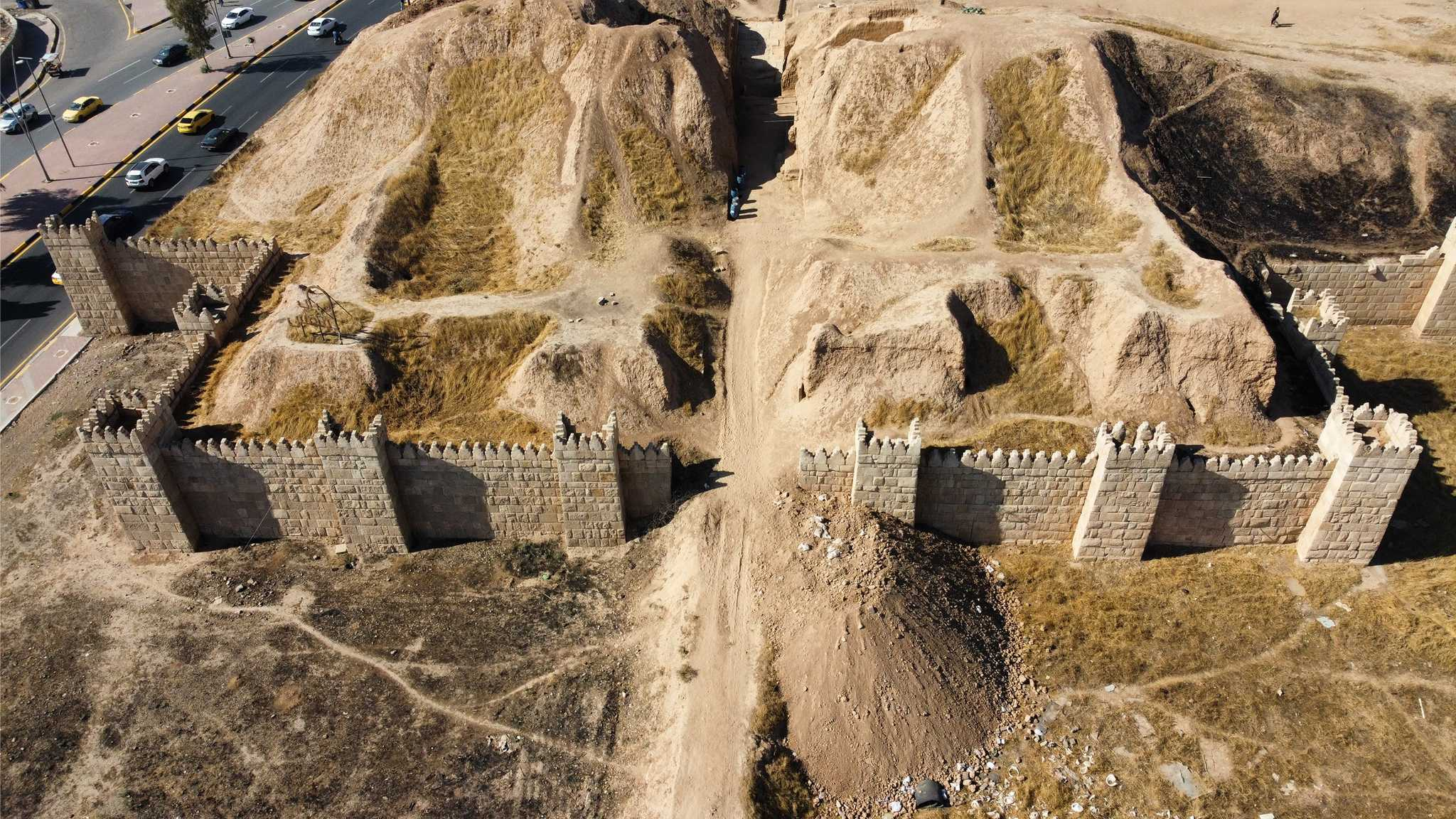
A new study in the journal IRAQ presents archaeological evidence for the fall of Nineveh in 612 BC from excavations at the Shamash Gate. From 2014 to 2017, when ISIL controlled the area, its fighters dug tunnels under the Shamash Gate, looting the site and causing damage. Since 2020, archaeologists have worked to understand the scope of the damage, repair the gate, which was in danger of collapse, and begin excavations in the gate complex. They have unearthed evidence of the dramatic destruction of the city in 612 BC, including bronze and iron arrowheads, skeletons, and ash and charcoal from a burn layer. In addition, archaeologists discovered fragments of a stela from Ashurbanipal, the Assyrian king who ruled from 669 to 631 BC. The destruction of Nineveh is prophesied numerous times in the Bible, including Nah. 1:8 and Zeph. 2:13.
Source: https://greekreporter.com/2026/04/30/shamash-gate-ancient-nineveh-battles/
1. Lost Pages of a New Testament Manuscript Discovered
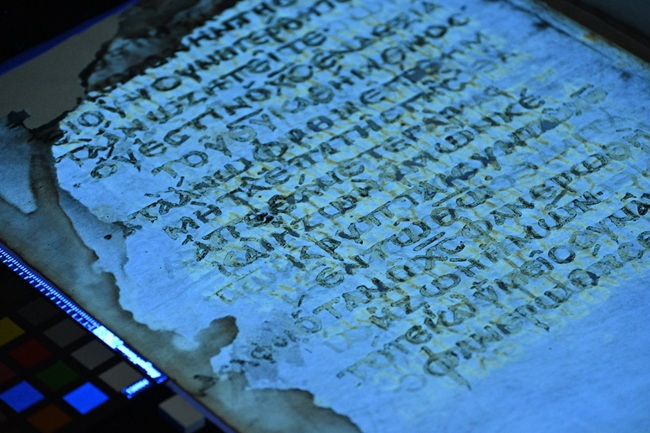
A team of researchers from the University of Glasgow recently announced the discovery of 42 lost pages from an important New Testament manuscript. Codex H is a sixth-century manuscript that contains the letters of the apostle Paul. According to the announcement from the University of Glasgow, Codex H was “lost to history when it was disassembled at the Great Lavra Monastery on Mount Athos, Greece, in the 13th century. Its pages were re-inked and reused as binding material and flyleaves for multiple other manuscripts. Today, the surviving fragments are scattered across libraries in Italy, Greece, Russia, Ukraine, and France.” The researchers used multispectral imaging to recover the “ghost” text, the traces of which remained, despite being invisible to the naked eye. The recovered text provides the earliest known examples of chapters for Paul’s epistles, which differ from modern chapter divisions.
Source: https://www.gla.ac.uk/news/headline_1263245_en.html
Stay Up-To-Date
Get the latest BREAKING NEWS in biblical archaeology each week on ABR’s new website. Click here: https://biblearchaeology.org/category/breaking-news/



Bryan, I truly appreciate your diligence in sending these reports, which I’m always excited to read. Thank you! Best wishes, Larry